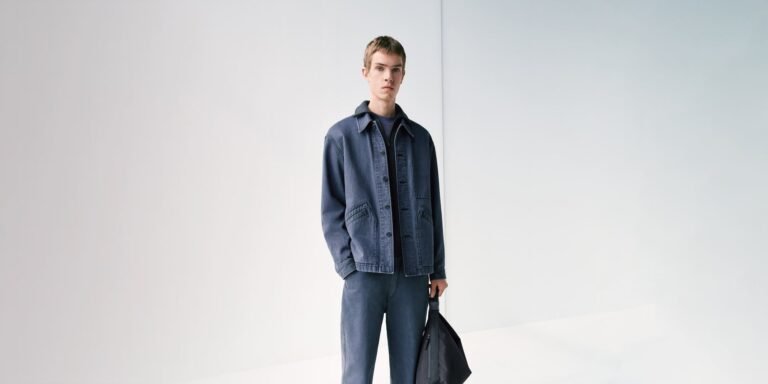
Winter is the time of year when layering up becomes a necessity. As the temperature drops, the right winter season clothes not only keep you warm but also add to your style. Whether you’re braving snowstorms or enjoying a chilly day, understanding what to wear and how to layer effectively is crucial. In this article, we will explore the must-have winter season clothes to help you stay cozy and fashionable.
1. Winter Clothing Layers: The Key to Comfort
Layering is the foundation of winter clothing. The right combination of base layers, mid-layers, and outer layers ensures that you stay comfortable in various conditions.
- Base Layer: The base layer is worn closest to your skin and helps wick moisture away. Fabrics like merino wool or moisture-wicking synthetics work best. These materials keep you dry, which is vital when you’re out in the cold.
- Mid-Layer: This layer adds insulation and traps body heat. Fleece jackets or down sweaters are great choices. They provide warmth without adding too much bulk.
- Outer Layer: The outer layer protects you from wind, rain, and snow. A good winter jacket or coat is essential. Look for insulated options with water-resistant fabrics to stay dry in snowy or wet conditions.
2. Choosing the Right Winter Clothing Material
When it comes to winter season clothes, the fabric you choose plays a huge role in staying warm. Some materials are better at insulating heat, while others offer water resistance.
- Wool: Wool is a natural insulator, making it one of the best fabrics for winter clothing. It traps heat while allowing moisture to evaporate, keeping you warm and dry.
- Down: Down is a lightweight yet incredibly effective insulator. A down-filled jacket or vest is perfect for extremely cold temperatures.
- Fleece: Fleece is another great option for staying warm, offering a soft feel while providing good warmth without being heavy.
- Synthetic Fabrics: Materials like polyester and nylon are often used in winter wear for their durability and ability to dry quickly.
3. Winter Season Clothes: Jackets, Coats, and Outerwear
The winter jacket or coat is arguably the most important piece of clothing in your wardrobe during the colder months. Here are some popular options:
- Parkas: A parka is a heavy, insulated coat often with a fur-lined hood, ideal for freezing temperatures and heavy snow.
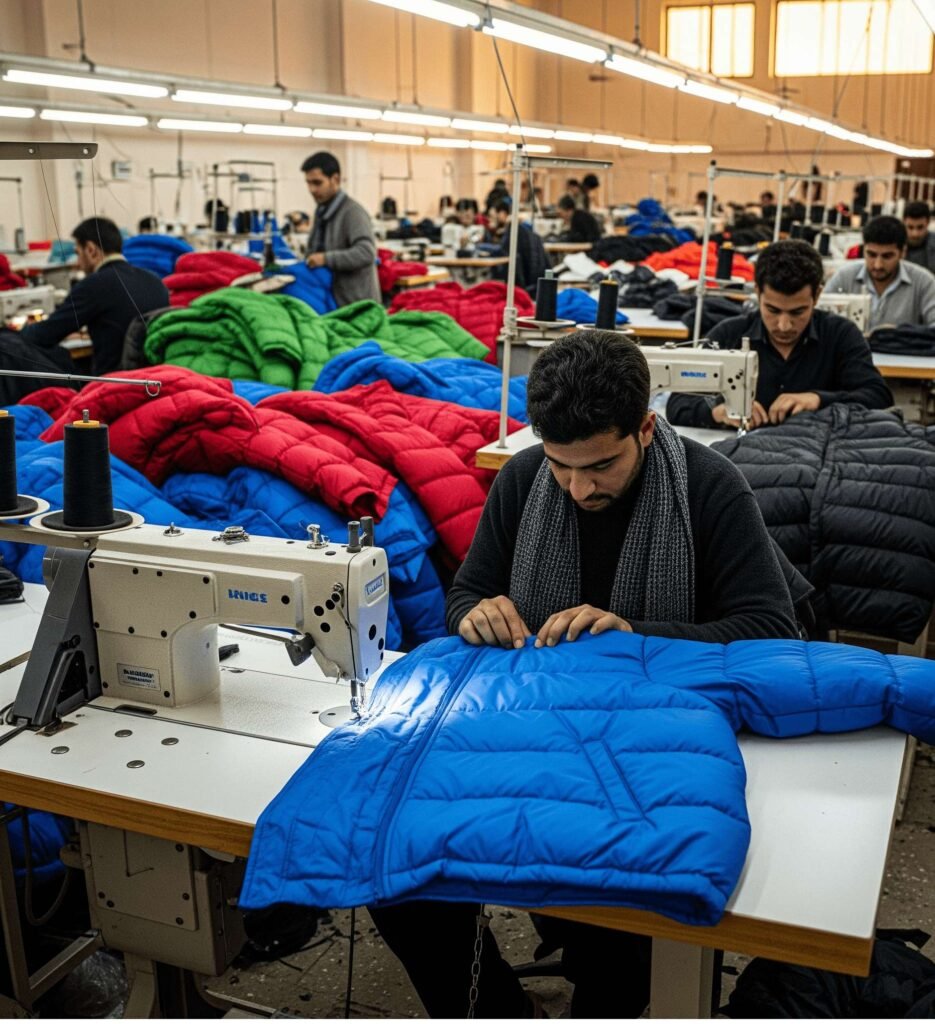
- Puffer Jackets: Puffer jackets are lightweight yet warm, made with quilted sections filled with down or synthetic insulation.
- Peacoats: A classic woolen peacoat can add sophistication to your winter wardrobe while still keeping you warm.
- Trench Coats: For milder winter conditions, a wool trench coat can provide both warmth and style.
4. Winter Season Clothing Color Palette
Winter season clothes often come in dark, muted tones, but this doesn’t mean your wardrobe has to lack color. Some popular colors for winter clothing include:
- Neutrals: Shades like black, gray, and navy are timeless and versatile, suitable for various occasions.
- Earthy Tones: Olive green, brown, and camel give off a natural, cozy vibe.
- Bold Colors: If you prefer to stand out, deep reds, emerald greens, and rich blues can add a pop of color against the white of winter.
5. Winter Season Accessories
Don’t forget the importance of accessories when it comes to winter season clothes. The right accessories can complete your look while keeping you warm.
- Hats: A wool knit beanie or a stylish fedora can keep your head warm and add a touch of flair to your winter ensemble.
- Scarves: A thick scarf can prevent heat loss from your neck while also adding a stylish element to your outfit.
- Gloves: Choose insulated gloves or mittens for warmth, ensuring your hands stay protected from the cold.
- Boots: Insulated boots are a must-have for walking through snow or slush. Waterproof boots with a good tread will also ensure you don’t slip on icy surfaces.

6. Winter Season Clothes for Different Climates
When thinking about winter season clothes, it’s important to consider the climate in which you live. For example, if you’re living in a place with heavy snowfall, you might need bulkier, more insulated layers, while in milder winter climates, lightweight jackets and layers might suffice.
- In Cold Regions: A thick down jacket, heavy boots, and snow gloves are essential for protection against extreme cold.
- In Milder Climates: A lighter jacket or wool sweater paired with scarves and gloves can keep you comfortable without overheating.
7. Winter Season Clothes for Special Occasions
Winter doesn’t mean you have to sacrifice style. There are plenty of options for special occasions like weddings or holidays.
- Winter Wedding Attire: Men can wear a tailored wool suit with a thermal lining, while women can opt for a long-sleeve dress or a chic coat to wear over a formal outfit.
- Holiday Parties: Velvet blazers, sequined dresses, and stylish boots make perfect choices for celebrating in style during the winter months.
8. Tips for Caring for Winter Season Clothes
Taking care of your winter clothes is just as important as choosing the right ones. Here are a few tips:
- Wash Wisely: Follow the care instructions for each fabric type. Wool should be hand-washed or dry-cleaned, while fleece can be machine-washed on a gentle cycle.
- Store Properly: Store your winter jackets and coats in a cool, dry place, preferably in garment bags to prevent damage.
- Use Fabric Softener: For added warmth and softness, use a mild fabric softener when washing winter clothing.
Conclusion
Winter season clothes are not just about staying warm; they’re about embracing the season with comfort and style. By understanding the layers, materials, and types of clothing needed for different temperatures, you can make sure you’re prepared for any winter weather. Whether you’re layering up for a snowy day or dressing up for a holiday party, the right winter clothing ensures you stay cozy and fashionable all season long.