One fabric family
The same carbon-grid fabric works across production floors and ISO Class 4-7 cleanrooms, which keeps your stock, approvals and paperwork simpler to manage from site to site.
Get in touch
Sales line+92 329 6140058 Emailbusiness@benjima.com OfficeRungpura, Sialkot, Punjab, Pakistan Working hoursMonday to Saturday, 9:00 to 18:00 PKTFollow
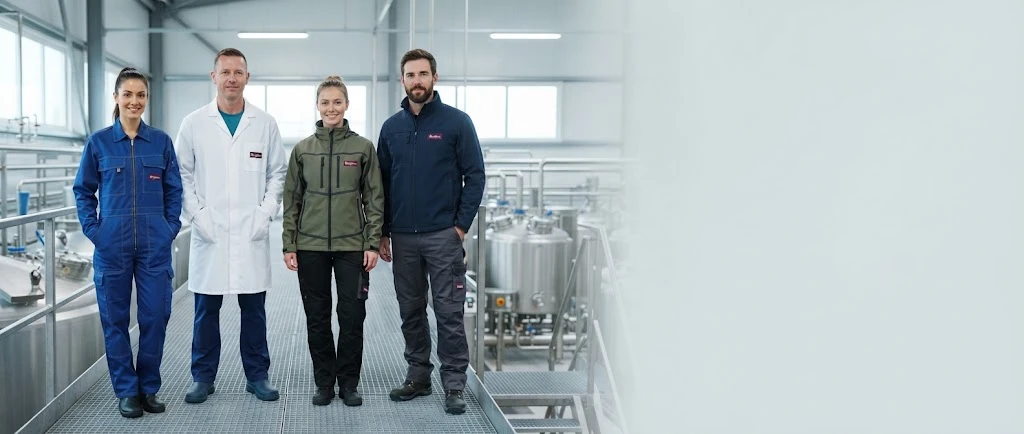
Some workplaces carry more than one hazard at once. A battery plant can have chemical mist and static in the same room, and a lab can mix splash risk with strict cleanliness rules. Benjima makes protective workwear for chemical refiners, semiconductor fabs, pharmaceutical plants, battery factories, cleanroom operators and PPE distributors working in exactly those conditions.
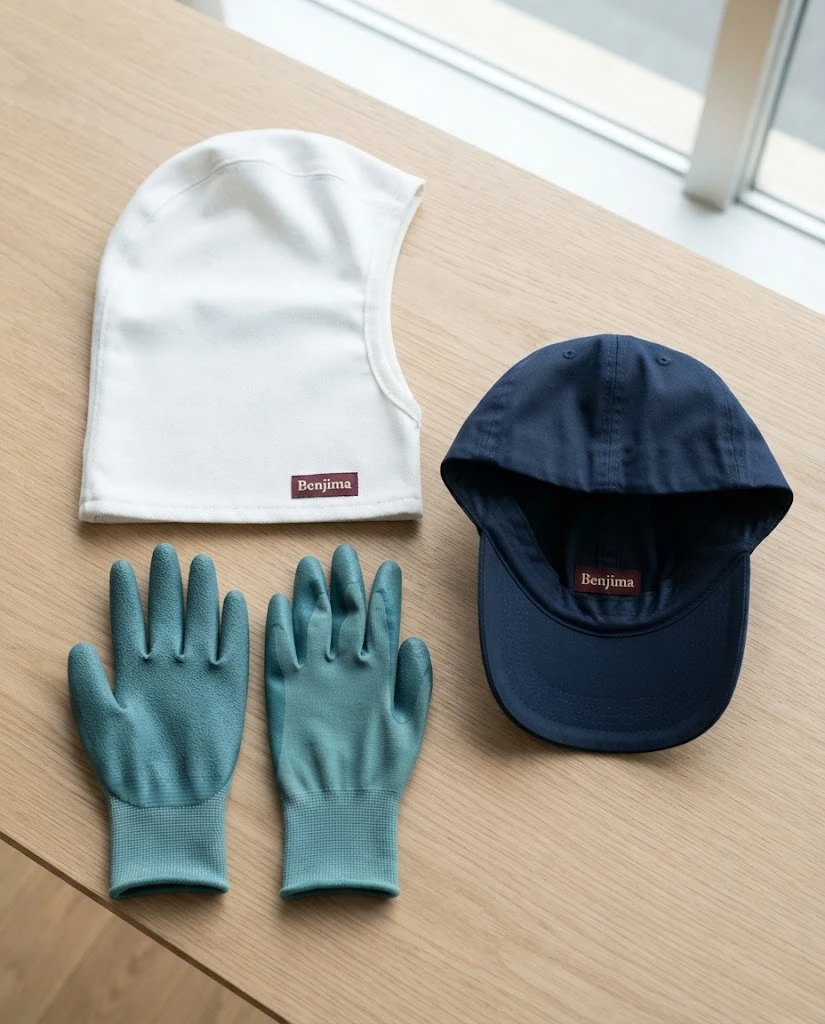
Our range includes Type 6 splash suits, anti-static lab coats, cleanroom jumpsuits and hoods, foundry garments, cryogenic jackets, fluid-resistant gowns, aprons and boot covers. Garments conform to EN 13034 Type 6, EN 1149-5 and ISO 13982, and one merchandiser coordinates your test reports, pattern approvals and dispatch dates, so you have a single person to ask about anything.
Choosing protective clothing is easier when someone explains the limits honestly. Type 6 handles light splash and spray, not pressurised jets. We help you match each standard to the real task, so your people are protected without being overdressed for the job.

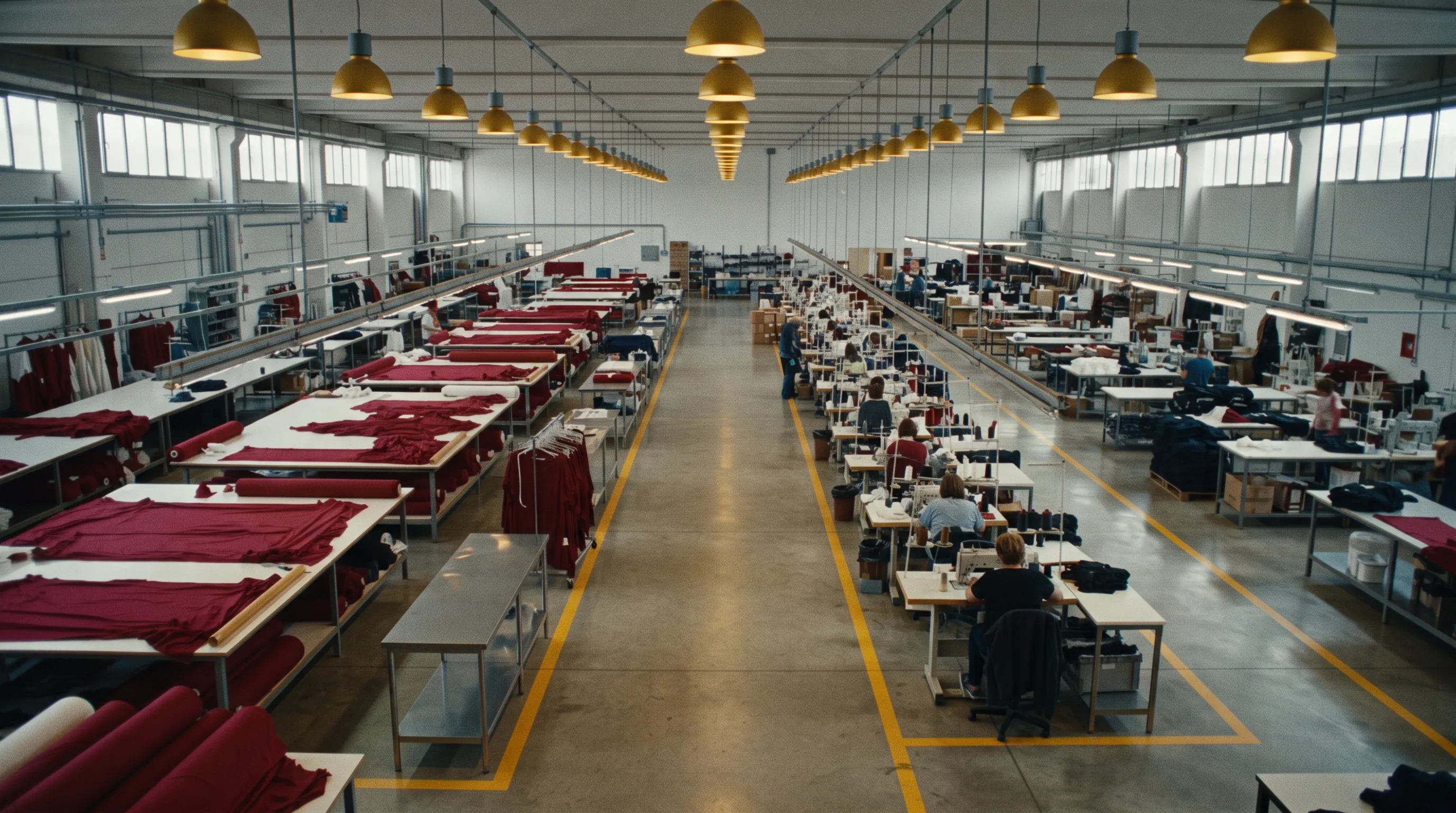
Most clients start with a technical pilot of 50 units on one production line. Prototypes are made within 7 to 10 business days of your brief. Your team wears them, gathers feedback on fit, heat and movement, and checks that closures work alongside your gloves and respirators in real use.
Zip and snap positions are tested on moving wearers during sampling, not just on a static mannequin. Once your safety team signs off, the same approved pattern is rolled out across the whole site, and every lot ships with barrier and anti-static test documents tied to its fabric roll and cutting batch.
The video follows a protective workwear order through the factory: inspecting the carbon-grid fabric, cutting, sewing with non-linting thread, sealing the seams with tape and running the final checks. Your order travels the same route, and we send photos at each stage so your quality team can follow progress without chasing anyone for an update.
Share it with your safety officer, quality manager or end client before you order. Seeing how seams are sealed and closures are built makes it easier to agree on the details that matter most on your site, whether that is cuff design for glove use, hood compatibility with respirators or cleanroom packaging for transport.
Prefer a conversation first? Send us your hazard review and we will walk through suitable fabrics, seams and garments for each area on a call.

Documents for every lot | Each lot ships with barrier and anti-static test reports tied to its fabric roll and cutting batch, so any single garment can be traced back if questions arise later during an audit.
The same carbon-grid fabric works across production floors and ISO Class 4-7 cleanrooms, which keeps your stock, approvals and paperwork simpler to manage from site to site.
Pilots start at 50 units and monthly capacity can exceed 35,000 pieces, so a trial on one line can grow into a full rollout without changing supplier.
Fabric choice follows your hazard review, not a generic catalogue. Our merchandisers understand barrier finishes and cleanroom rules, and any pattern change for fit or pocket position is agreed in writing before cutting begins on your order.
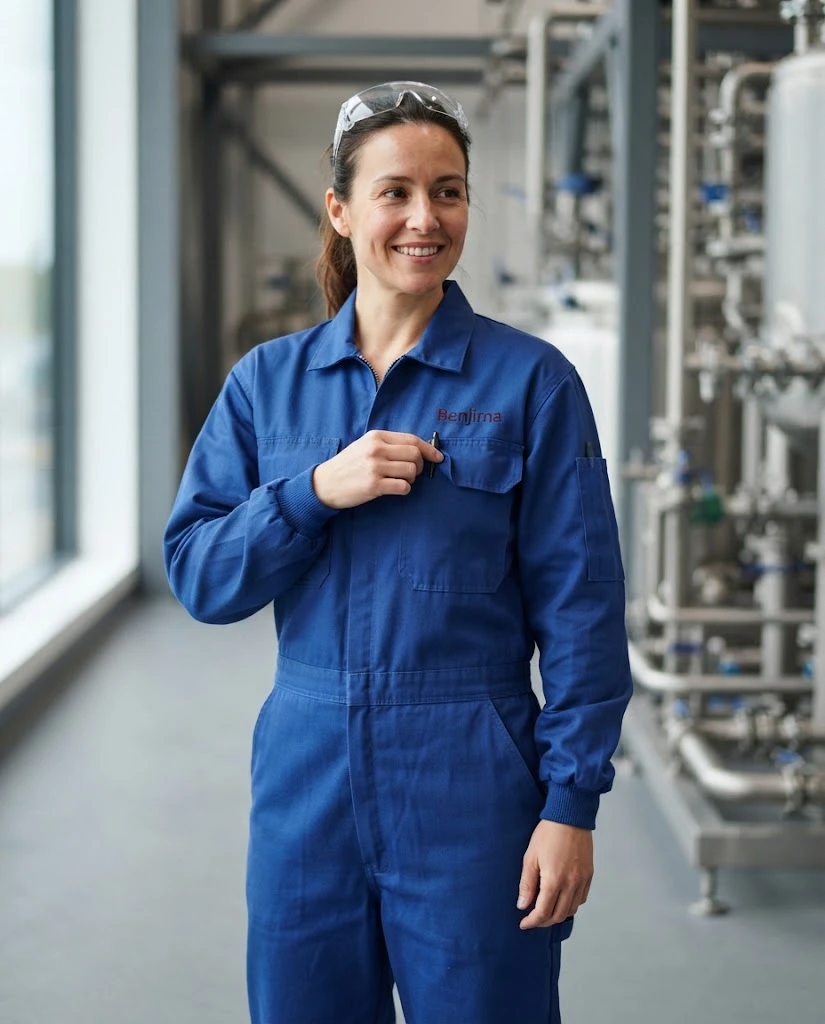
Protective garments for each hazard type


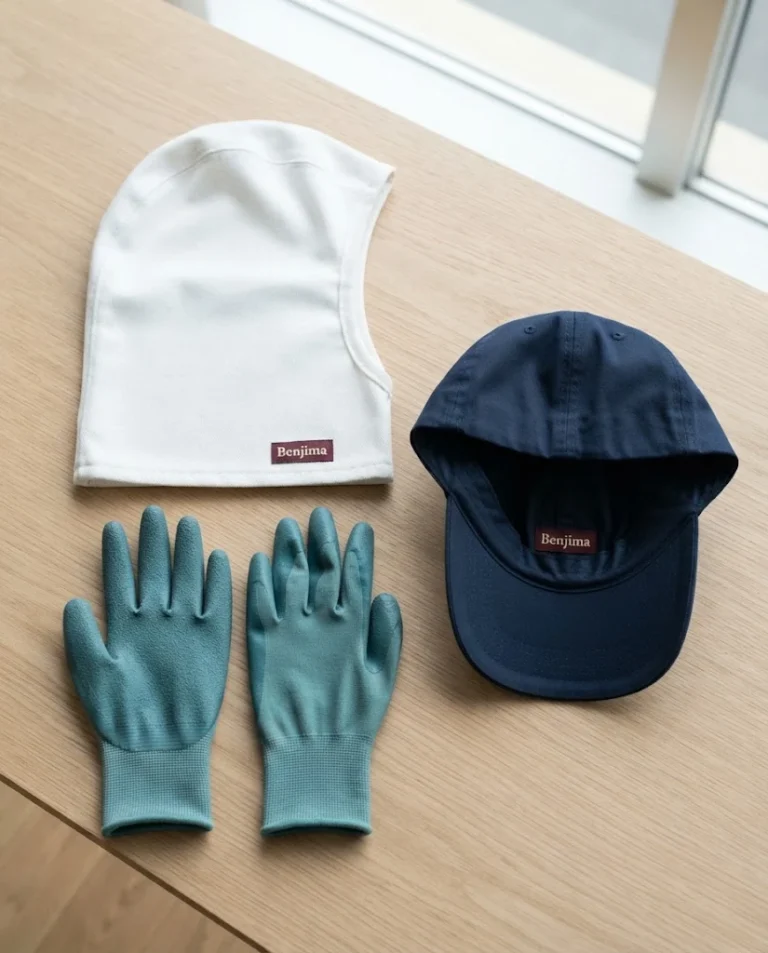
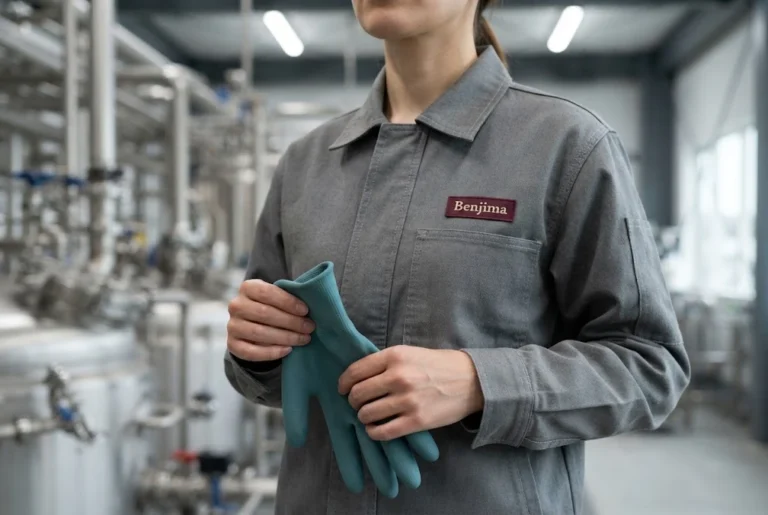
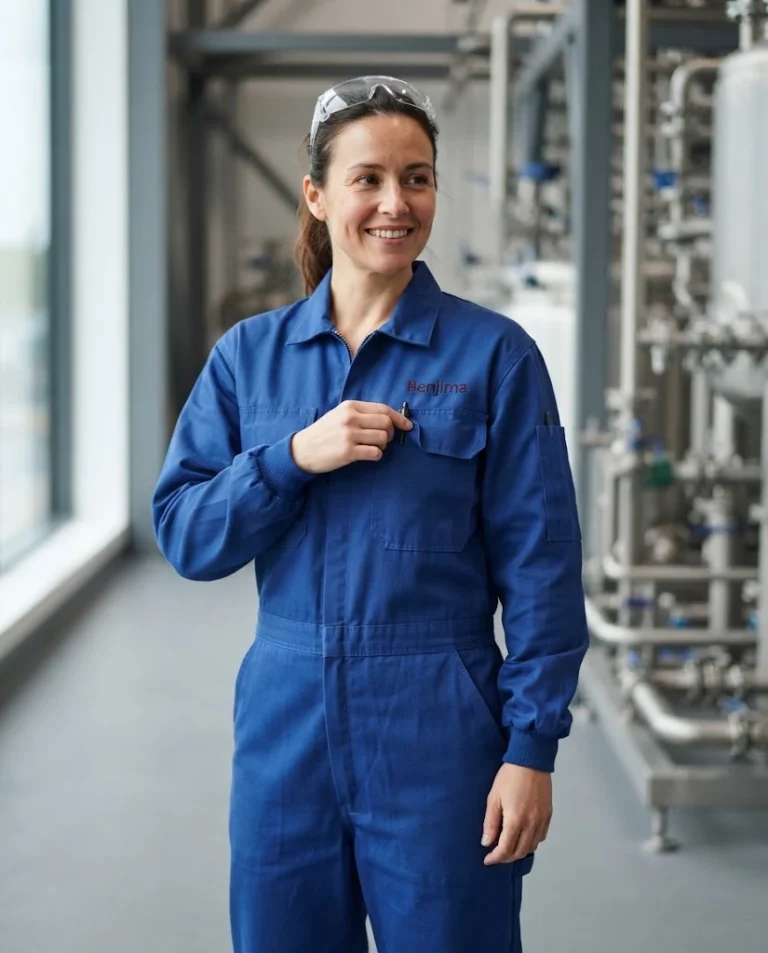
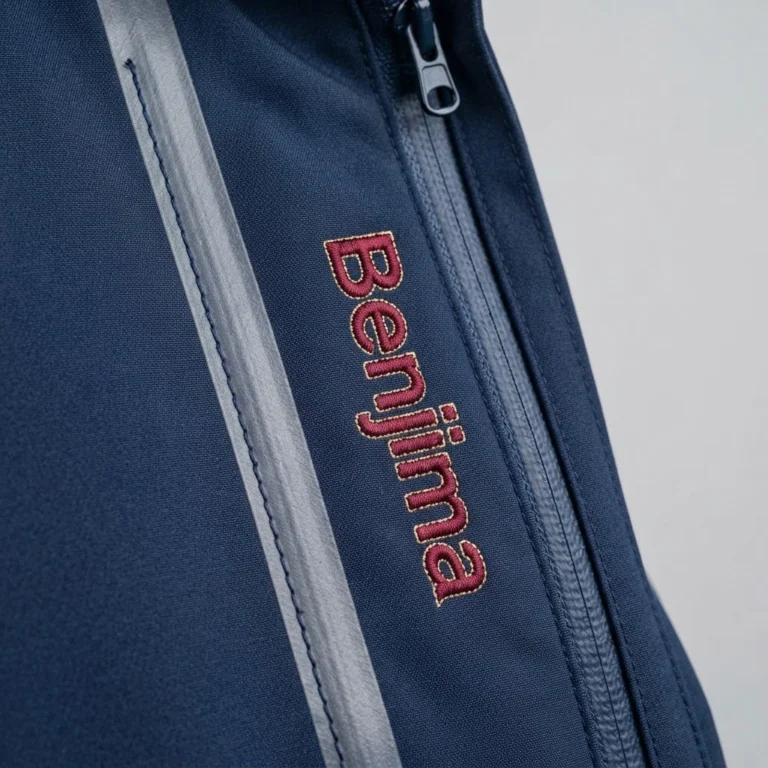
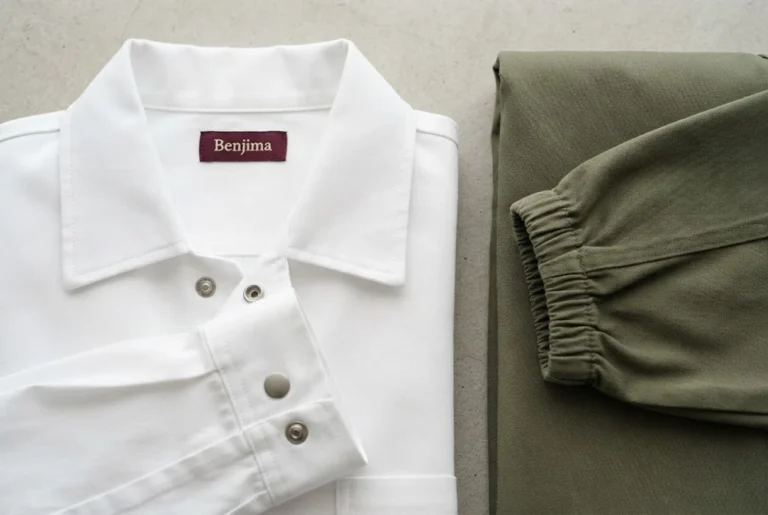
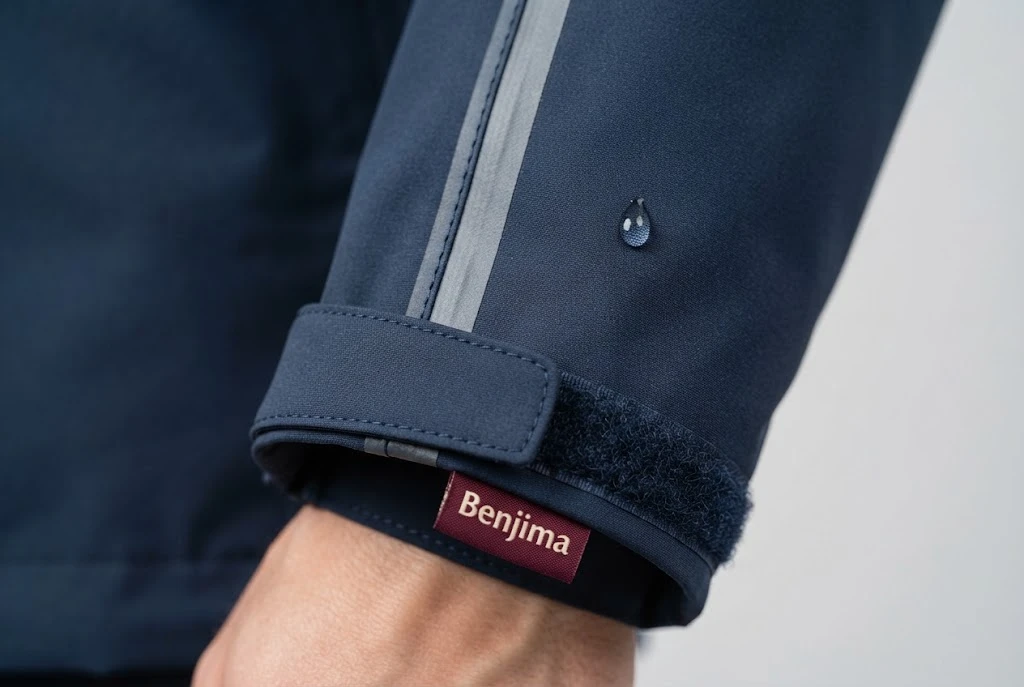
Map hazards by area
Choose Type 6 splash suits for light chemical mist and spray exposure.
Choose anti-static coats for electronics assembly and labs.
Choose cleanroom jumpsuits and hoods for ISO Class 4-7 rooms with strict particle limits.
Protective clothing fails at its seams and openings first. Check those before you check anything else.
Cleaning and packing
Inside a protective workwear run
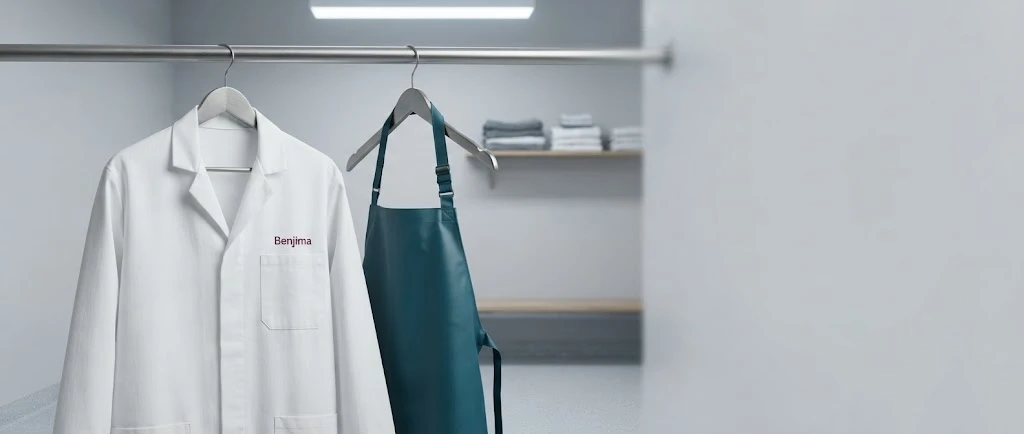
Free to move | Unisex ergonomic cuts from S to 5XL leave room to bend and reach, so closures stay overlapped and protection stays in place.
High-density polyester microfibre resists liquids while staying lighter and more comfortable than heavy coated fabrics, which reduces heat build-up.
Encased elastic tunnel cuffs sit snugly around wrists and gloves, keeping fluids out without pinching during long tasks.
Non-sparking heavy-duty closures and conductive snaps avoid any ignition risk around solvents, spray booths and volatile storage areas.
Chemical processing plants, Semiconductor fabrication teams, Pharmaceutical lab staff, Battery factories, Cleanroom operators, PPE supply distributors
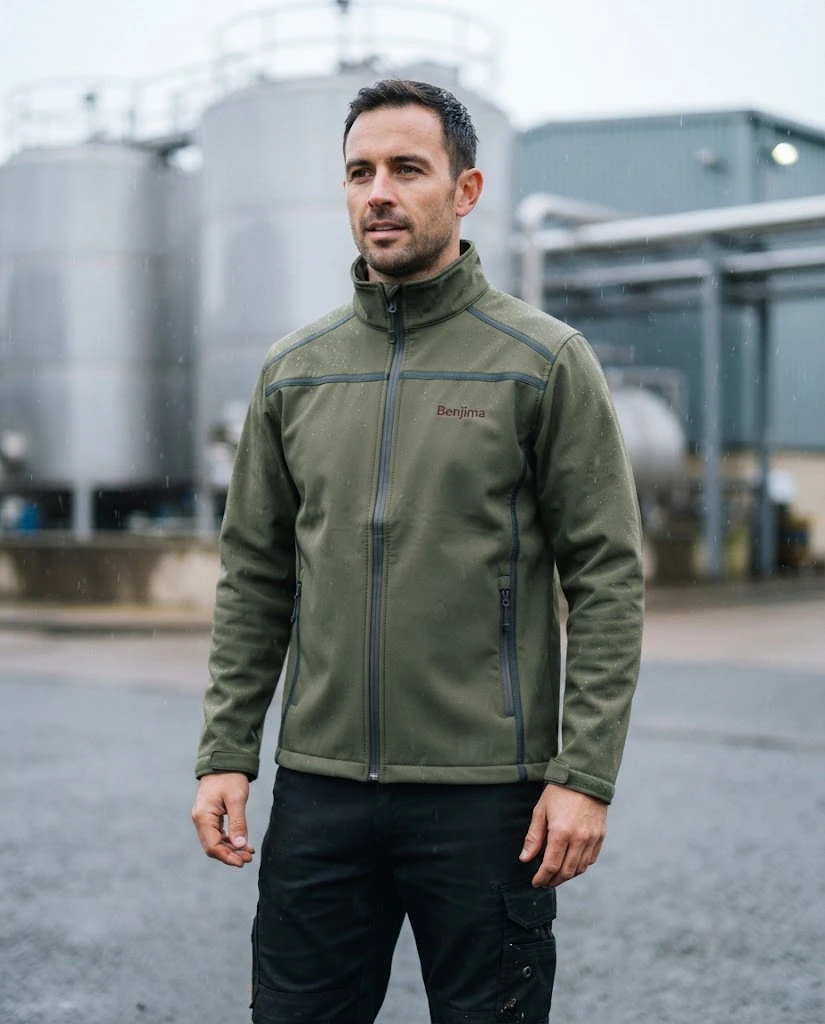
Share your review | Send your hazard review, garment list, quantities and dates, and we reply with suitable fabrics, the standards that apply, honest limits and a quote.
Start your orderWe agree fabric, seam type, closures and labelling with you, and send swatches for your team to handle.
Prototypes arrive in 7 to 10 business days for a wear trial on one line, with your own gloves and respirators.
Bulk follows the approved pattern, and each lot ships with its own test documents.
Samples fly first, bulk follows by sea or air, door to door with duties paid.
Pilots start from 50 units per style. That lets pharmaceutical sites, cleanrooms and chemical plants run a technical pilot on one line without building up excess stock. Sizes from S to 5XL can be mixed within the order, so the pilot fits your whole team.
Yes. Every batch comes with lab documents covering chemical repellency, surface resistivity and particle emission levels. Results are tied to the fabric roll and cutting batch, so you can trace any garment if a question comes up later in an audit or inspection.
Technical prototypes are made within 7 to 10 business days. Bulk production is completed within 18 to 25 business days after you approve the sample. You get dates for each stage up front, with photos as the order moves through production and packing.
We weave continuous conductive carbon filaments in a 5mm by 5mm grid through the fabric. The grid spreads static charge and releases it to earth before it can build into a spark, which matters in volatile atmospheres. That protection is part of the cloth itself, so it holds through repeated laundering.
We recommend ultrasonic-welded or heat-sealed taped seams, because they fully cover the needle holes left by stitching. That stops corrosive liquids and hazardous particles getting through the seam line, which is where standard garments usually let protection down.
Every lot goes through multi-stage AQL 2.5 audits, including surface resistivity testing, liquid repellency spray tests and seam bursting pressure checks. Checks begin with shrinkage tests on raw yardage and end with measurement audits on finished garments, so each lot matches your approved pilot.
We ship worldwide door to door on DDP terms by air express or sea freight. Garments can be individually vacuum-sealed or packed in double cleanroom polybags so they stay clean in transit. Validation samples usually fly first, and bulk follows once your safety team signs off.
| Starting order | 50 units per style for pilots |
|---|---|
| Cleanroom ready | ISO Class 4-7 compatible |
| Static control | Continuous carbon grid woven through fabric |
| Full lot traceability | Test reports with every batch |
| Ready to protect your teams on site properly? |
/contact-us/
Tell us the garment, the quantity and the date. That is enough for a costing.
We reply within one working day. No mailing list.
A written quote will reach you within one working day.