Skip to content
Programme 05 / Hospitality

Hospitality uniforms that hold a tailored line after the laundry.

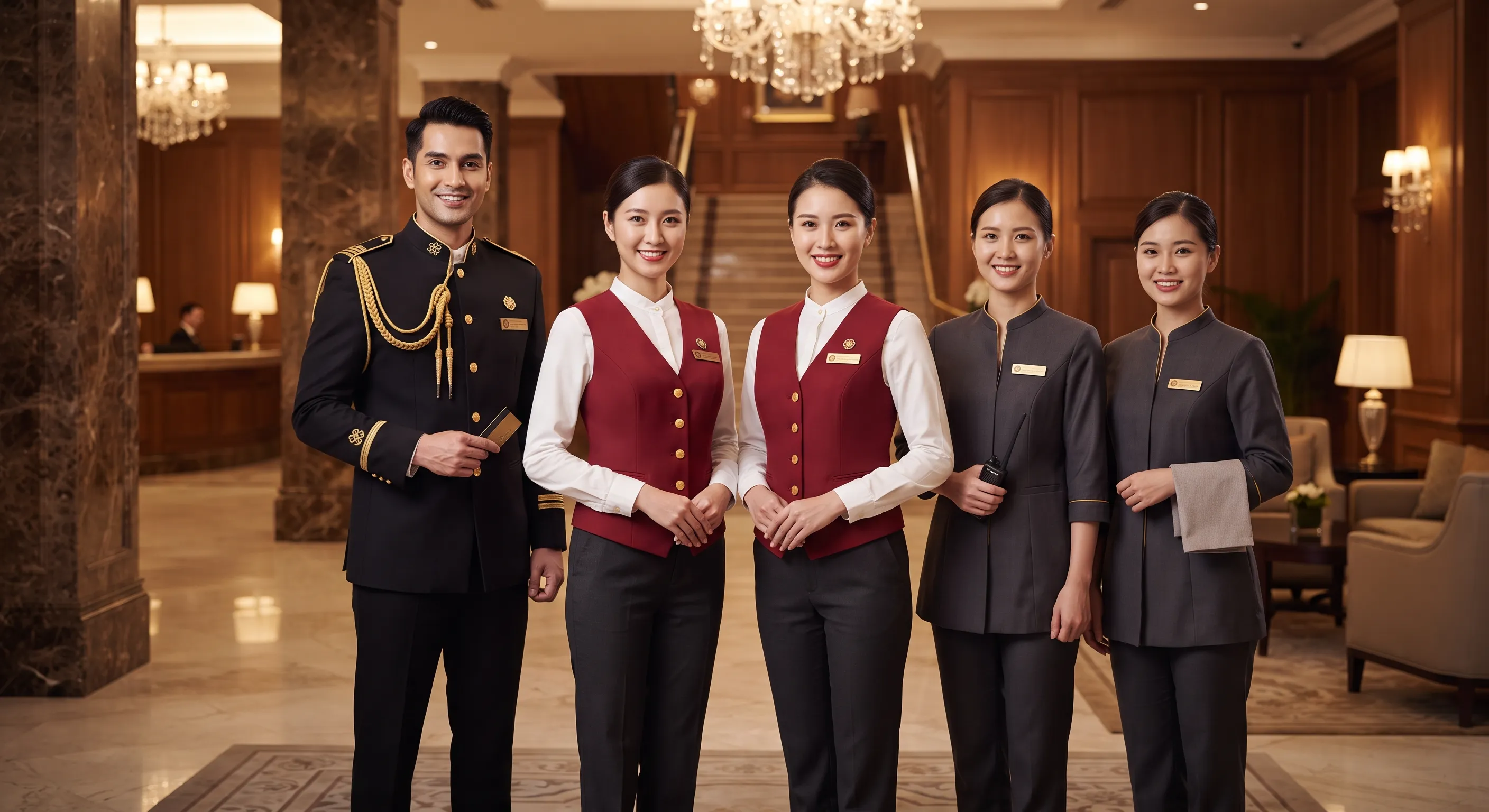
Front desk, concierge, housekeeping, service and bar wardrobes built as one programme. Tailored where the guest looks, hard wearing where the shift is long, and matched across every property in the group.

Hospitality programme / 9 properties
Minimum order
50 pcs per style
Sampling
7 to 10 days
Bulk run
21 to 30 days
Departments
Front, house, service
Hotel front of house uniform programme
3,100 Pieces across nine properties in one programme

The hardest brief in uniforms: look tailored, wash like workwear.

Hospitality asks a garment to do two contradictory things. It has to look considered enough that a guest reads it as part of the property, and it has to go through a commercial laundry several times a week without losing its shape. Retail tailoring fails the second test. Standard workwear fails the first. The answer is a tailored block cut in a cloth engineered for laundry, which is a manufacturing decision rather than a design one.

Where you spend the tailoring budget also matters. A guest looks closely at front desk and concierge, glances at service, and rarely registers housekeeping beyond whether it looks clean and comfortable. A sensible programme puts structure and detail where the guest actually looks, and puts durability and comfort where the shift is longest. Trying to tailor housekeeping to the same standard as reception is a common and expensive mistake.

Then there is the group problem. Nine properties, five general managers and three purchasing decisions produce five different navies within eighteen months. Your palette is held as a physical shade standard across every cloth in the programme, so a new property opening in year three is issued the same colours as the flagship.

  • Tailored blocks cut in cloths specified for commercial laundry
  • Structure and detail concentrated on front desk and concierge where guests look closely
  • Housekeeping built for a long shift: movement, breathability and stain release
  • One palette held as a physical standard across every property in the group
  • Accent pieces such as scarves, ties and waistcoats that refresh a wardrobe without a full reorder
The range 8 styles

One wardrobe, six departments, one standard.

Most hotel groups end up with a different supplier per department. Running the whole property through a single programme is what makes the lobby, the restaurant and the corridor look like the same brand.

01

Front desk and reception

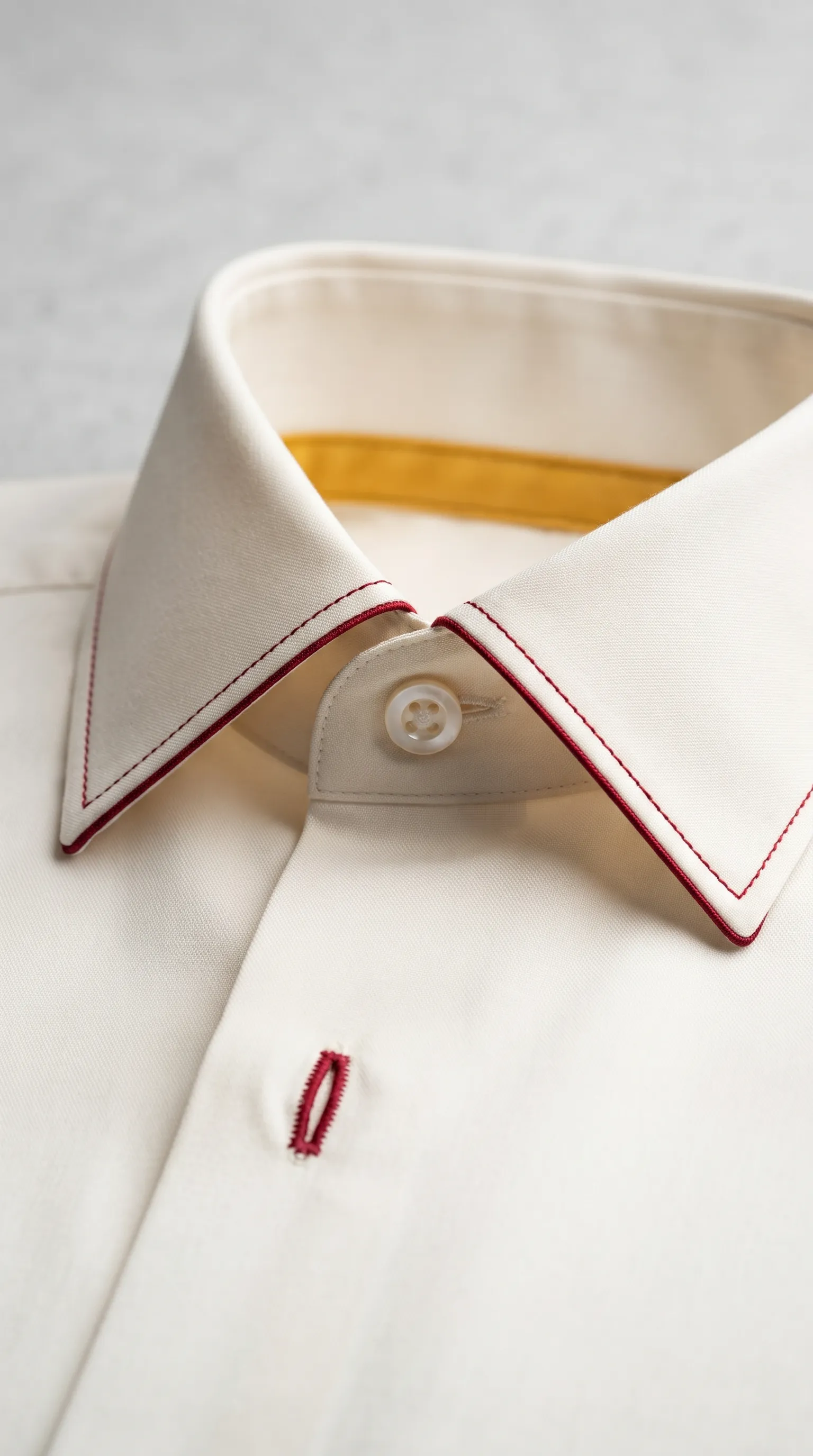
Structured jackets, shirting and blouses with a scarf or tie in the accent colour. Cut for a standing shift, built with a shoulder that holds after repeated laundry cycles.

Structured shoulder Accent scarf or tie Name badge loop Easy care shirting
02

Concierge and doorman

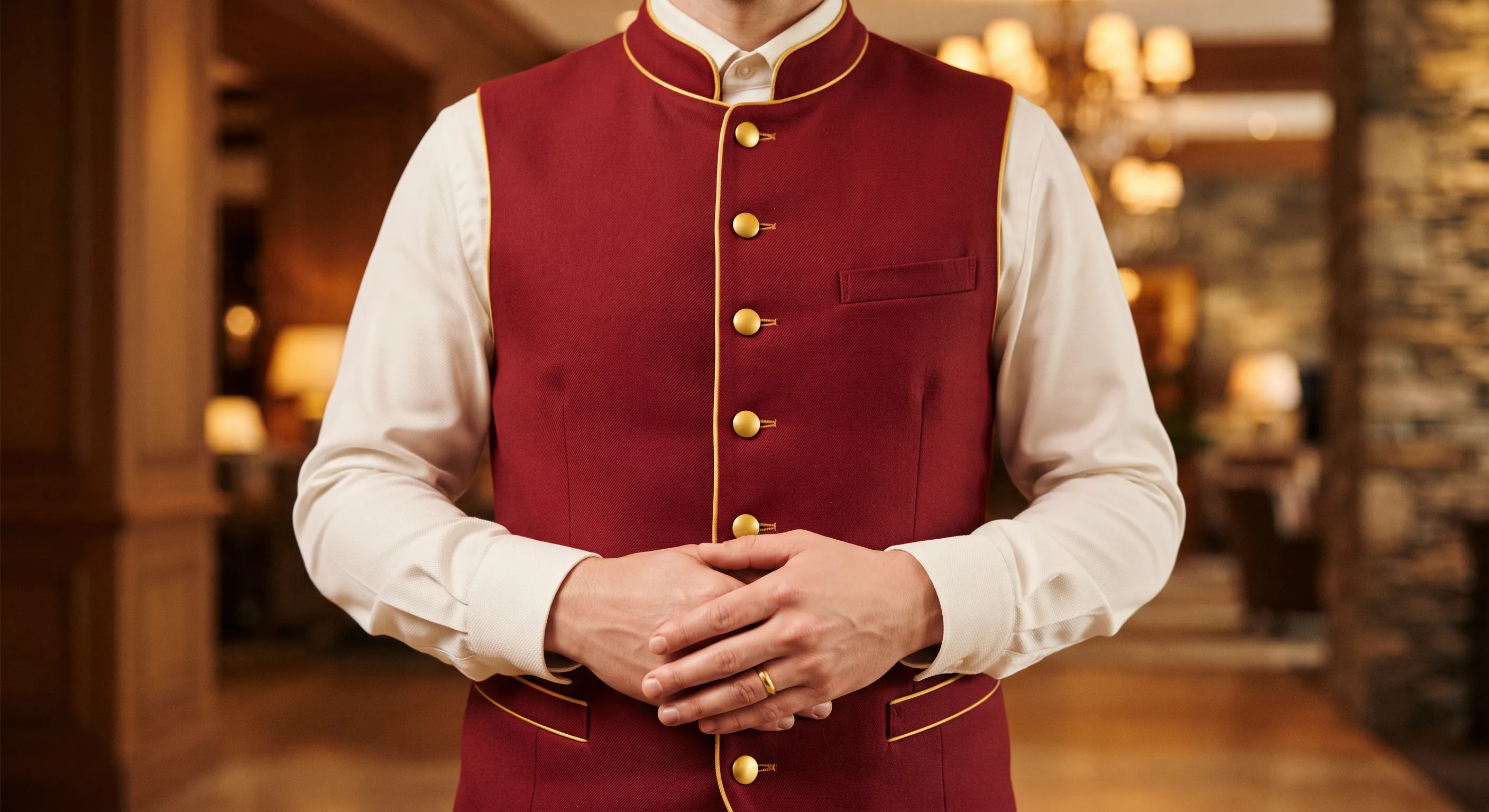
Overcoats, tailcoats, waistcoats and outerwear with rank detailing where the property runs a traditional service hierarchy. The most visible garment on the property, priced accordingly.

Overcoat block Rank detailing Weatherproof shell option Gold or silver trim
03

Housekeeping

Tunics, dresses, trousers and polos in a stain release poly cotton with action back panels for reach and bending, and pockets positioned for a housekeeping trolley.

Action back Stain release Trolley pockets High cycle count
04

Food and beverage service

Service shirting, waistcoats, bistro aprons and bar wear. Built slimmer than back of house, in cloths that hide a spill until the end of service rather than announcing it.

Slim service block Bistro apron Waistcoat option Dark stain hiding cloth
05

Spa and wellness

Tunics, wrap tops and drawstring trousers in softer, quieter cloths. A different register to the rest of the property, but held on the same palette so it still reads as one brand.

Soft handle cloth Wrap and tunic blocks Drawstring waist Muted palette
06

Porters, valet and grounds

Polos, softshell and weatherproof outerwear for the teams working between the door and the car park, matched to the property palette rather than ordered from a stock workwear catalogue.

Weatherproof shell Matched palette Reflective option Layering system
07

Banqueting and events

A formal capsule held in buffer stock for conference and banqueting peaks, sized generously across a range so agency staff can be issued on arrival.

Buffer stock held Generous size range Formal capsule Fast reissue
08

Accessories and identity trims

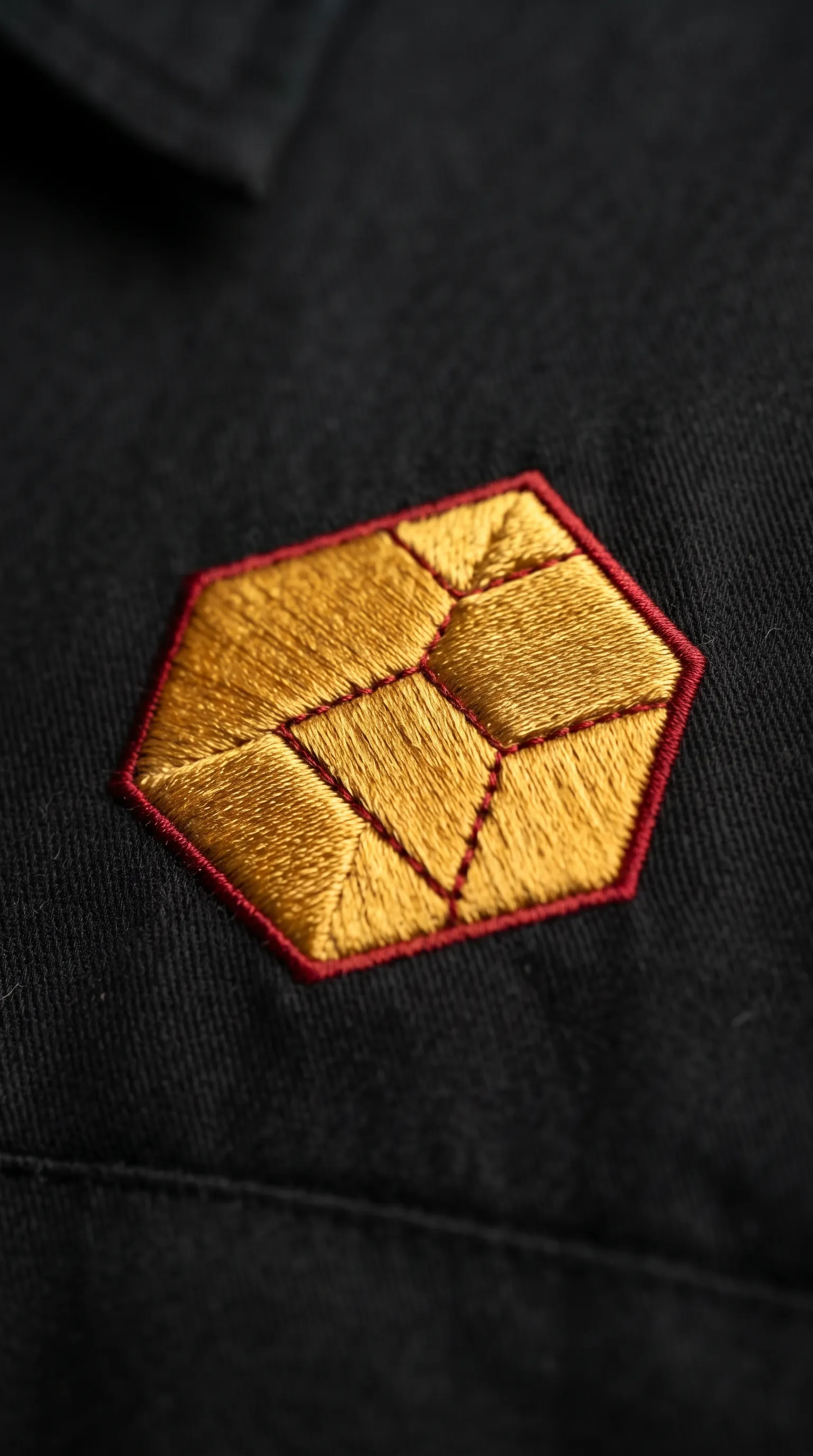
Scarves, ties, pocket squares, waistcoats, name badges, woven labels and piping sets. The layer that refreshes a wardrobe between full replacement cycles.

Accent scarves Ties and squares Name badges Woven labels

Materials Base cloths

Cloths that survive a commercial laundry and still press well.

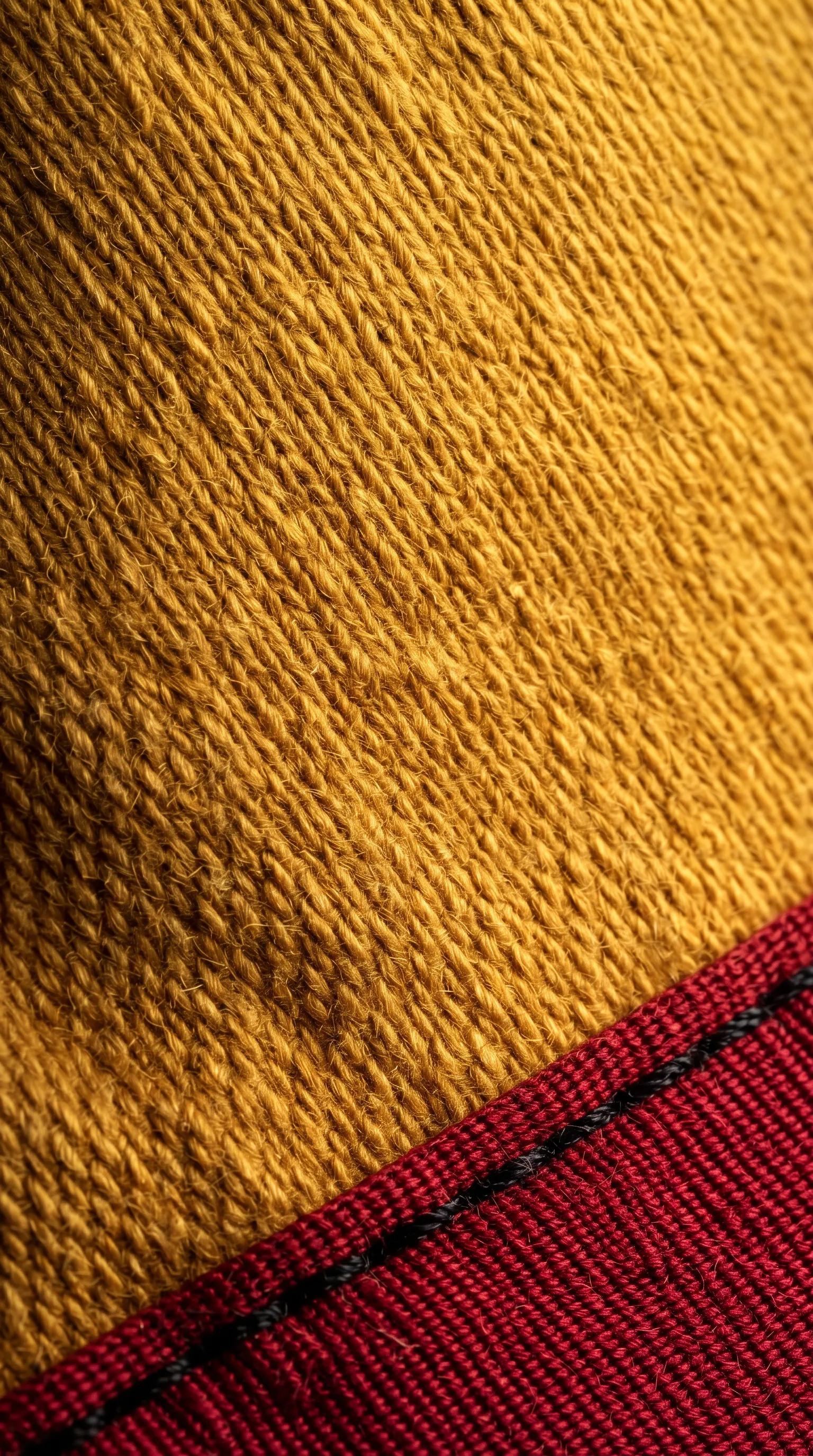
Every cloth here is chosen because it takes a press after washing. That single property is what separates a hospitality cloth from a tailoring cloth.

Cloth Weight Construction Where it is used
Poly viscose suiting 240 GSM Plain weave, 65/35 Front desk and concierge tailoring
Easy care shirting 120 GSM Poplin, resin finish Service and reception shirting
Stain release poly cotton 190 GSM Twill, soil release Housekeeping tunics
Stretch poly viscose 250 GSM Bi stretch Long shift tailored pieces
Cotton drill 260 GSM 3/1 twill Bistro aprons and porter wear
Pique knit 200 GSM Honeycomb face Porter and grounds polos
Softshell 300 GSM Bonded three layer Valet and door outerwear

Where a property runs an in house laundry we will ask for the cycle details and wash trial the sample against it. Where laundry is outsourced, we specify to the harsher assumption, because outsourced cycles are rarely as gentle as the contract implies.

Watch 02:10

The stages behind a nine property rollout.

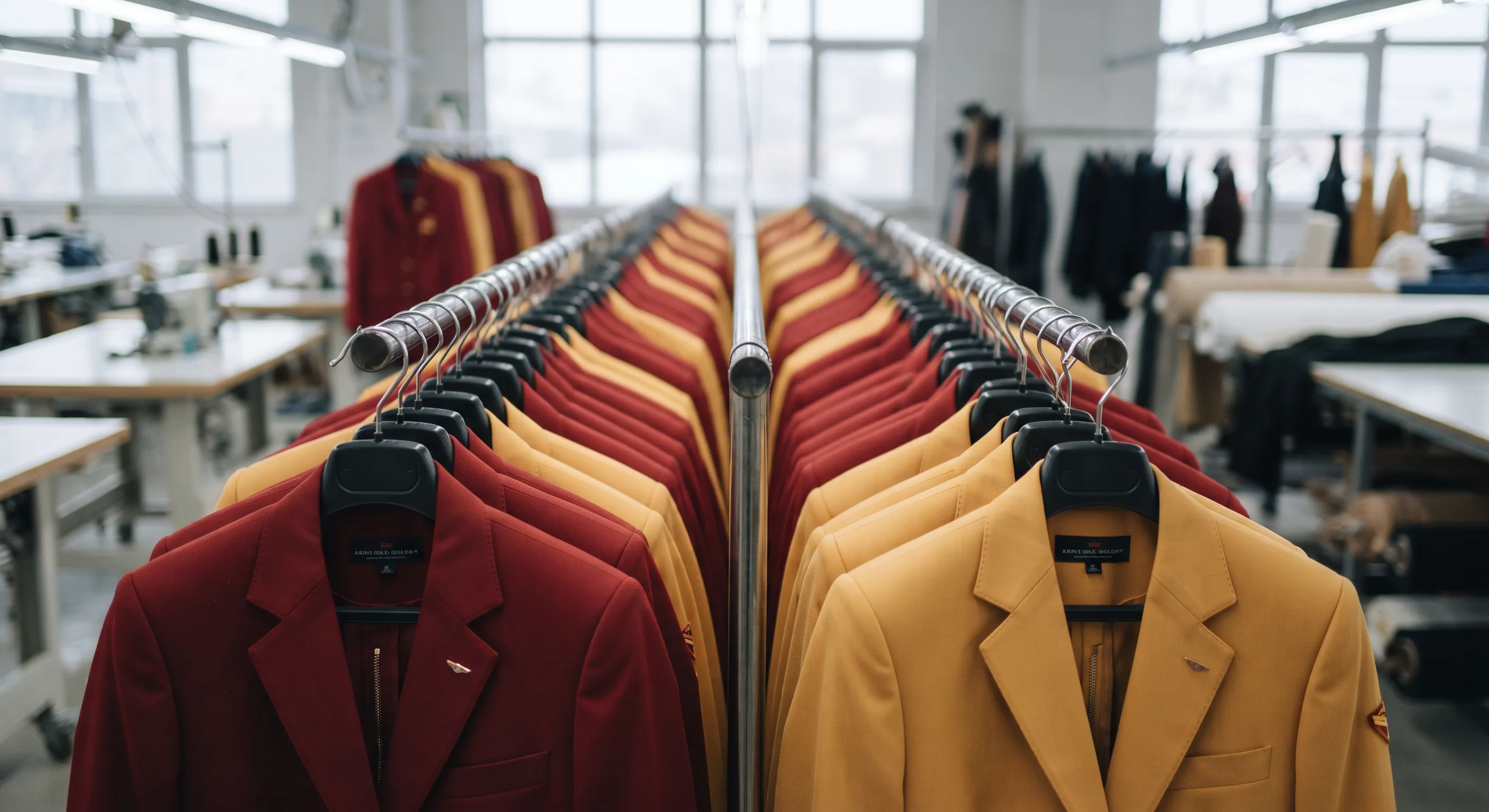
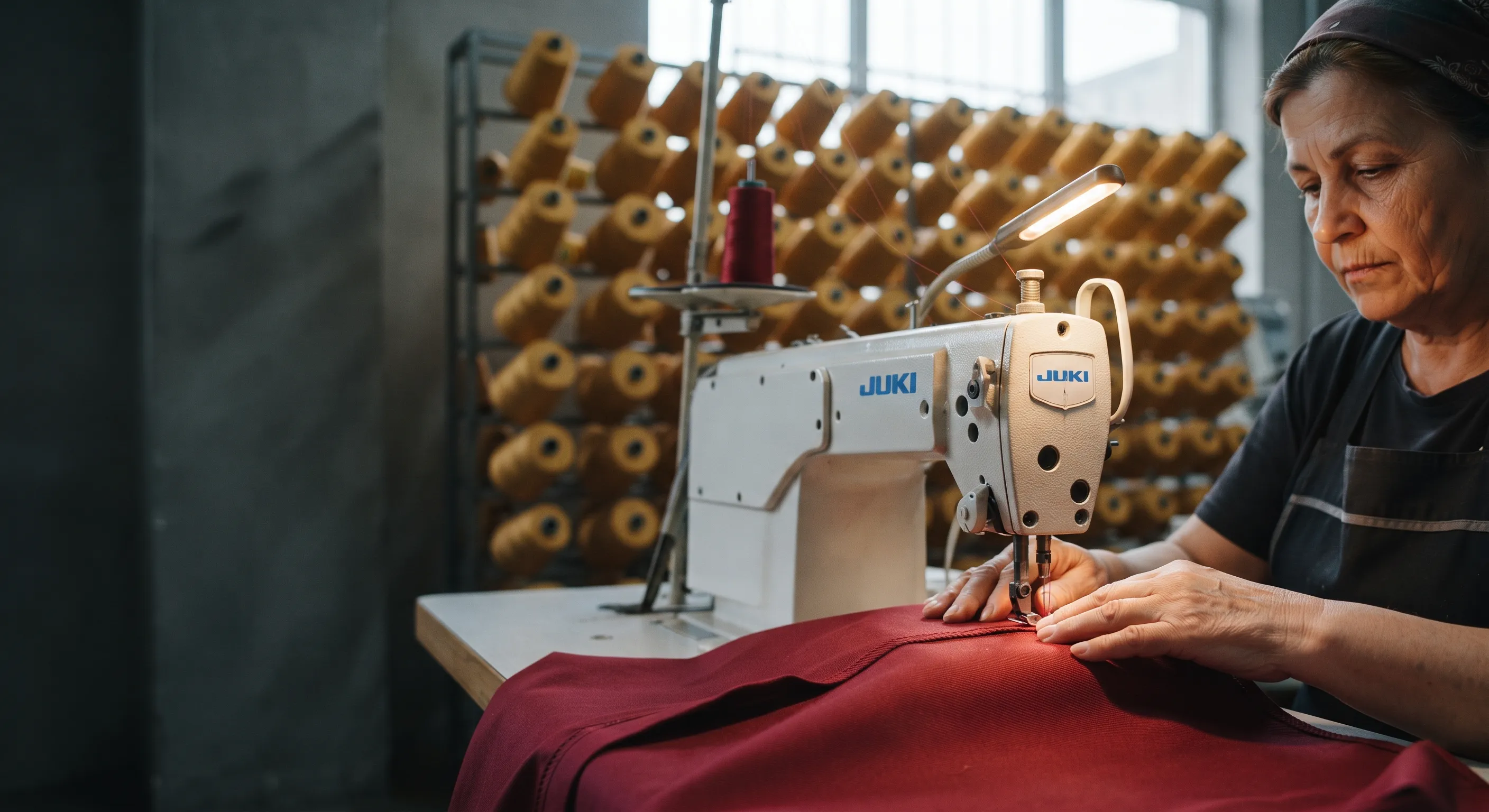
Cutting, assembly, pressing and packing on a hospitality run. Pressing is the part worth watching, because a hospitality garment is judged on how it looks after it has been cleaned rather than how it looks new.

Hospitality run / assembly to carton
9Properties in one rollout
3,100Pieces produced
26 daysBulk run
Production 8 stages

Eight stages, and a property walk at the front of them.

The best hospitality briefs start with photographs of the lobby, the restaurant and a housekeeping trolley. The palette almost always comes out of the interior rather than out of the logo.

Property and brand audit

Interior palette, service style, guest profile and the laundry arrangement. This decides where structure is worth paying for and where durability matters more.

Department map and palette

Each department assigned garments, colours and accent pieces. Colours lab dipped on every cloth in the programme and approved physically as one set.

Pattern and grading

Tailored blocks drafted to your size chart, with ladies fit graded separately and generous sizing held for banqueting and agency issue.

Wear trial

A sample worn through a real shift by someone in the department. Housekeeping always finds something a fitting room never will, which is why we ask for it.

Sign off and shade lock

Written sign off on the sample and the shade set. Those swatches are then held as the group standard for every future property and top up.

Bulk production

Assembled by operation, with reinforcement at the points hospitality garments actually fail: pocket corners, action back pleats and apron strap joins.

Inspection and press

AQL 2.5 with measurement checks, then pressed and finished so garments arrive ready to hang rather than needing a laundry cycle before first issue.

Site level dispatch

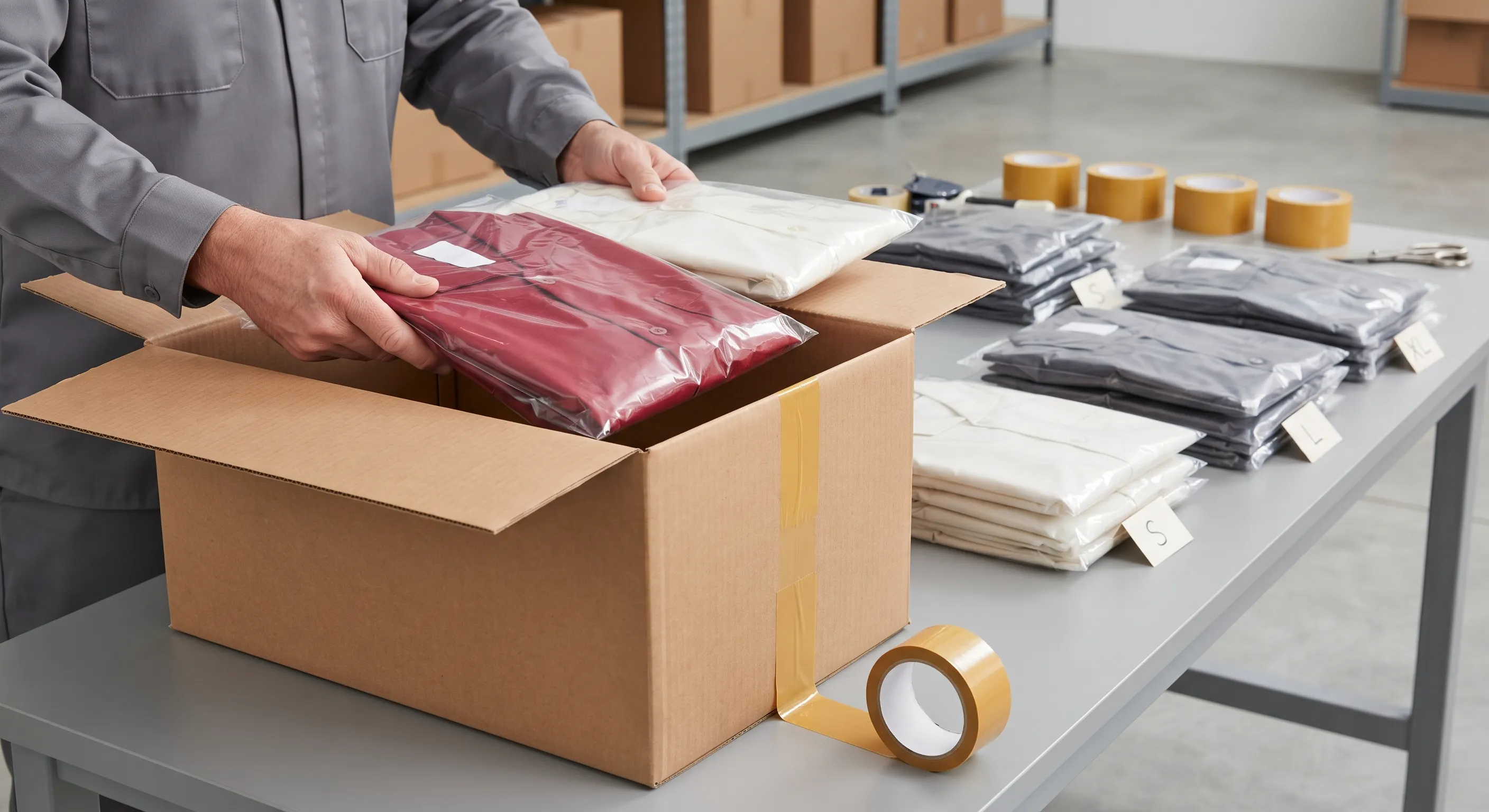
Sorted and carton marked per property and per department, so a nine property rollout does not become a redistribution exercise for your group office.

Why Benjima Buyer checks

Six things a group purchasing lead checks.

Hospitality uniform programmes are rarely judged on the opening order. They are judged when the third property opens.

The palette holds across properties

Your colours are lab dipped and held as a physical standard on every cloth in the programme, so property nine is issued the same navy as property one without a comparison exercise.

Tailoring that survives laundry

Structured pieces are built with laundry rated interlining and pressed at finishing, so a jacket that goes through a commercial cycle comes back with its shoulder line intact.

Housekeeping built for the shift

Action back panels, stain release finishes and pockets positioned for a trolley. Comfort here shows up as retention, which is a bigger number than the uniform line.

Buffer stock for banqueting

A generously sized formal capsule held against your account so agency staff can be issued on arrival for a conference peak rather than turned away or dressed badly.

Accents refresh without reordering

Scarves, ties and waistcoats in the accent palette let a property update its look between full replacement cycles at a fraction of the cost.

Per property dispatch

Cartons marked by property and department, so a group rollout arrives ready to distribute rather than arriving as a pallet your team has to sort.

Case notes Recent runs

Three hospitality programmes and what was actually wrong.

In each case the brief arrived as a design problem and turned out to be a laundry or logistics problem.

Hotel group / 9 properties

Harbourview Hotels

Front desk, concierge and housekeeping wardrobes rebuilt to survive commercial laundry without losing the tailored line. The housekeeping team stopped complaining about fit after eleven years.

3,100Pieces
9Sites supplied
Resort / seasonal peaks

Coral Bay Resort

Banqueting staffing that tripled in season. Solved with a generously graded formal capsule held in buffer, so agency staff are issued correctly on arrival instead of improvising.

3xSeasonal headcount
48hrBuffer reissue
Restaurant group / 6 venues

Ember Dining

Six venues with six slightly different blacks. Rebuilt on one held shade standard across shirting, aprons and waistcoats, with accent pieces per venue for individuality.

6Venues
1Shade standard
Before you ask 8 answers

What hotel and restaurant groups ask first.

Can you match the uniform to our interior palette?
Yes, and it is usually the better starting point. Send photographs of the lobby, the restaurant and a corridor, plus a physical sample of a key colour if you have one, whether that is a fabric swatch, a paint chip or a menu card. We lab dip against the physical reference on every cloth in the programme and send the dips for approval as a set.
How do you keep nine properties looking the same?
By holding the shade standards centrally rather than per property. Once your palette is approved, those physical swatches sit against your group account. Any property ordering a top up is matched to that standard, so a new opening in year three is issued the same colours as the flagship without anyone sending garments back and forth.
Will tailored pieces survive a commercial laundry?
They will if they are built for it, which means laundry rated fusible interlining, correct stitch density and pressing at finishing. Standard retail tailoring is not built for it and will lose its shoulder line. If you tell us your laundry arrangement, we will wash trial the sample against a matching cycle before the bulk is cut.
What is the minimum order for a hospitality programme?
Fifty pieces per style. A single property usually reaches that by combining departments in one order rather than ordering department by department. A group will clear it easily on almost every line, and the unit price improves noticeably once a style crosses a few hundred pieces.
Can we hold stock for banqueting and agency staff?
Yes, and for most properties with event business it is the single most useful part of the programme. We hold a generously sized formal capsule against your account, and reissue on request, usually within forty eight hours. It means a conference peak does not produce a room of staff in mismatched black.
How do you handle housekeeping differently?
Housekeeping is specified for the shift rather than for the lobby. Action back panels for reach, stain release finishes, breathable cloths and pockets positioned around a trolley rather than around a photograph. It is held on the same palette so it still reads as one brand, but the construction priorities are completely different.
Can you deliver directly to each property?
Yes. Cartons are sorted and marked per property and per department against the distribution list you supply, so a group rollout arrives ready to hand out. For international groups we handle export documents and consolidated shipping so your forwarder receives one clean file.
How long does a full property rollout take?
Sampling is seven to ten days, and most groups spend another one to two weeks on a wear trial, which we recommend rather than skip. Bulk is twenty one to thirty days. A realistic end to end timeline for a first rollout is eight to ten weeks from brief to delivered, and subsequent properties are much faster because the patterns and shades are already held.

Send photographs of the lobby, not just the logo.

With the department list and headcount, that is enough for a costing. If you are running several properties, tell us how many and we will price the programme rather than pricing one property nine times.

Sales line
+92 329 6140058
Minimum order
50 pieces per style
Reply time
One working day