Garment replication
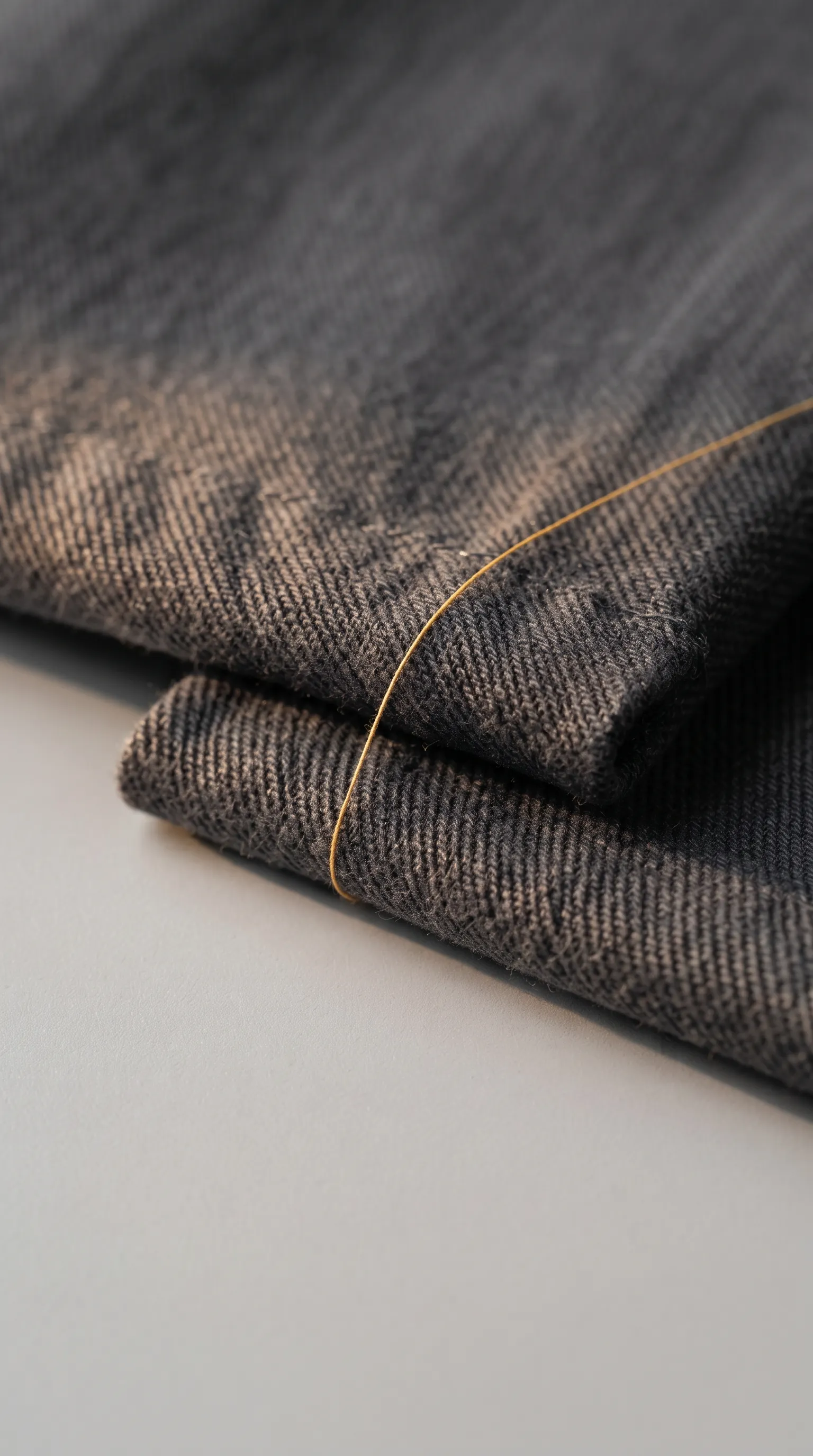
You send a garment you like or a garment that failed. We measure it, pattern from it, match the cloth and return a sample built the way it should have been the first time.
Get in touch
Sales line+92 329 6140058 Emailbusiness@benjima.com Factory and officeRungpura, Sialkot, Punjab, Pakistan Working hoursMonday to Saturday, 9:00 to 18:00 PKTFollow
Custom development from any starting point. We pattern it, grade the full size set and put a real sample in your hands in ten days, then produce it to the specification you signed rather than to the one that was convenient.
Custom development / patterned in 10 days
Every custom project starts from one of four places. A drawing, a photograph of something similar, a technical pack from a designer, or a worn out garment the client wants remade properly. The fourth is by some distance the easiest to work from, because a physical garment answers questions a document never gets around to. It tells us the block, the cloth weight, the seam construction, the trims and, most usefully, exactly where the previous version failed.
From there the work is unglamorous and specific. The garment is measured and taken apart on paper. A pattern is drafted, then graded across the size range you need, including ladies fit and extended sizes as separate blocks rather than as scaled guesses. Cloth is sourced or dyed, trims are sourced, and a real sample is made. Nothing goes to bulk until you have held that sample and signed it off in writing.
What we will not do is quietly substitute. If a cloth you approved is unavailable, you hear about it and choose the alternative. If a trim adds two weeks, you hear that at quotation rather than at week five. Most bad manufacturing experiences are not quality failures, they are communication failures dressed up as quality failures.
Custom work spans everything from a single garment rebuilt properly to a full private label range. These are the eight starting points we see most often.
You send a garment you like or a garment that failed. We measure it, pattern from it, match the cloth and return a sample built the way it should have been the first time.
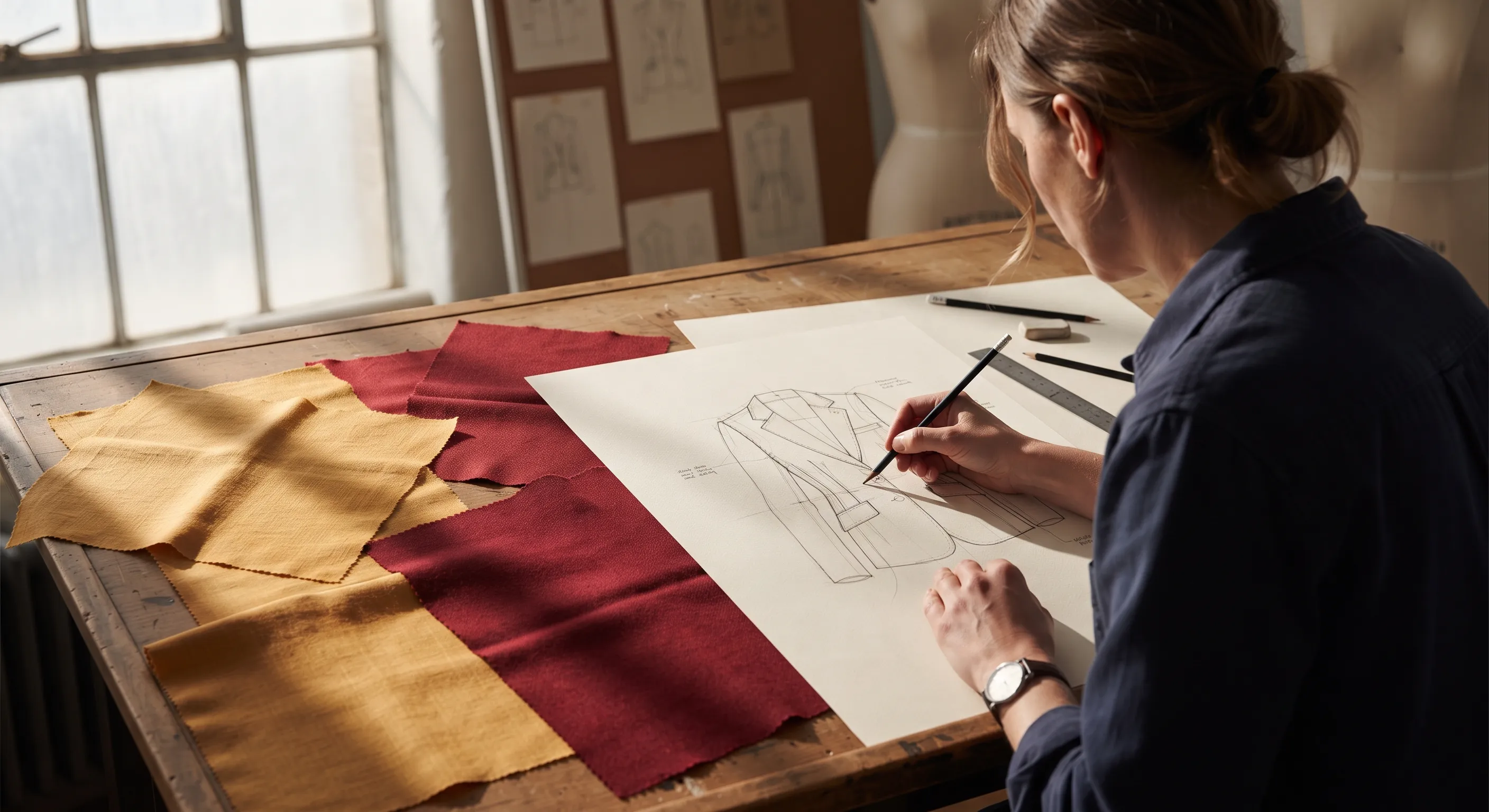
A drawing, a mood board or a description. Our pattern team interprets it into a technical drawing, confirms the details with you, then drafts and samples it.
You have a complete tech pack from a designer or a sourcing agent. We read it properly, flag anything that will not manufacture as drawn, and produce to it.
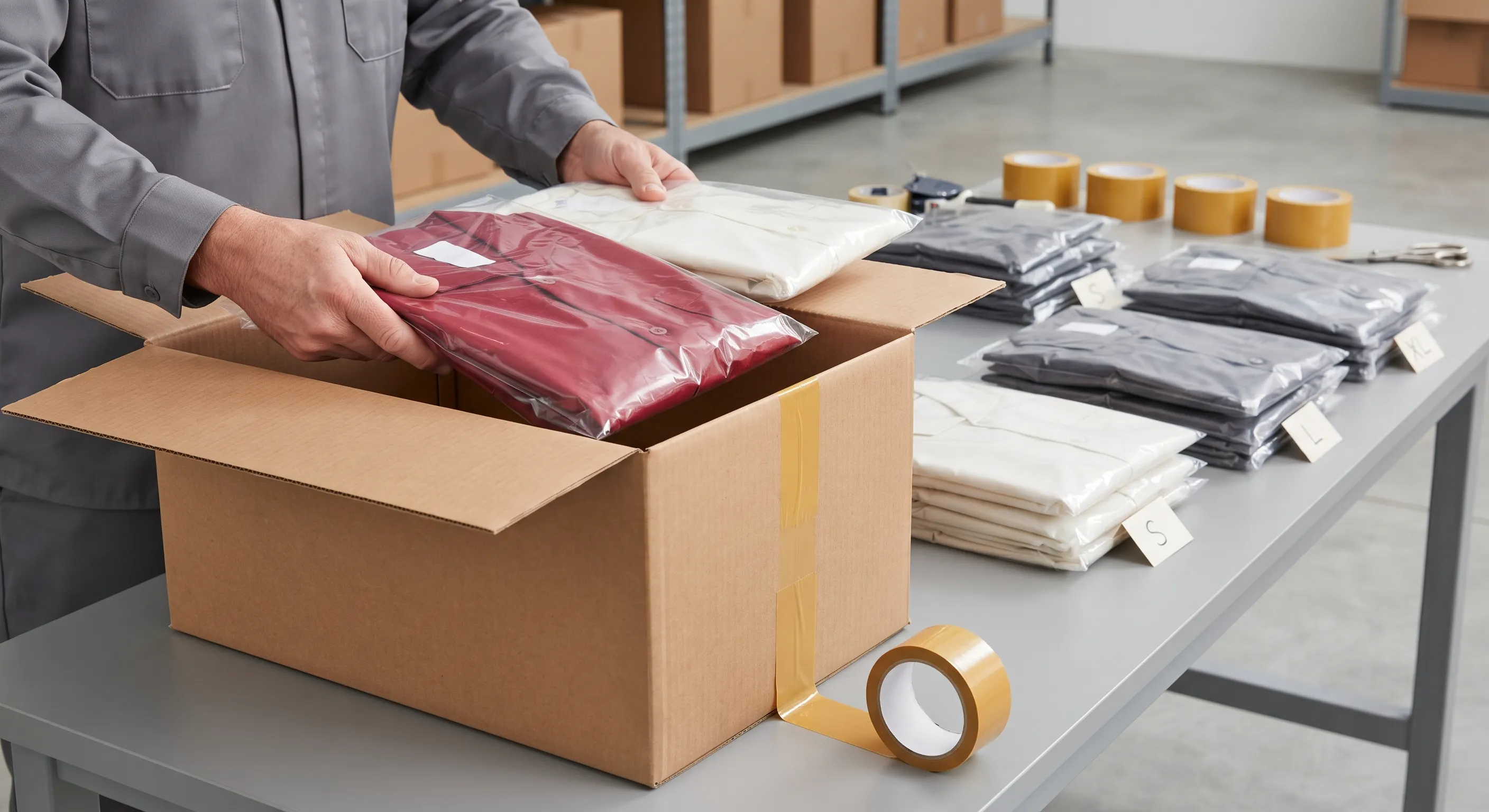
Production under your brand with your labels, hang tags, poly bags and carton marking. Nothing is subcontracted out and relabelled without you knowing about it.
For brands without a design team. We propose blocks, cloths and colourways for a category, sample a range, and refine it with you before committing to production.
An existing product with a return rate problem. We analyse the returns data, identify whether it is a grading, block or size chart issue, and redraft accordingly.
A garment that works but costs too much. We look at cloth consumption, marker efficiency, trim choices and construction steps and propose where cost can come out without the garment getting worse.
A first production to test a market before committing to volume. Priced honestly as a small run rather than quoted at a volume price that only appears at the second order.
Sub pages explain what we need from you at each starting point, what happens next and what it costs. Worth reading before you send a brief, because it will make the brief better.
What we measure, what we can match and what changes when a cloth is discontinued.
How a tech pack is reviewed, what gets flagged as unbuildable and how revisions are handled.
Labels, tags, packaging and carton marking for production under your own brand.
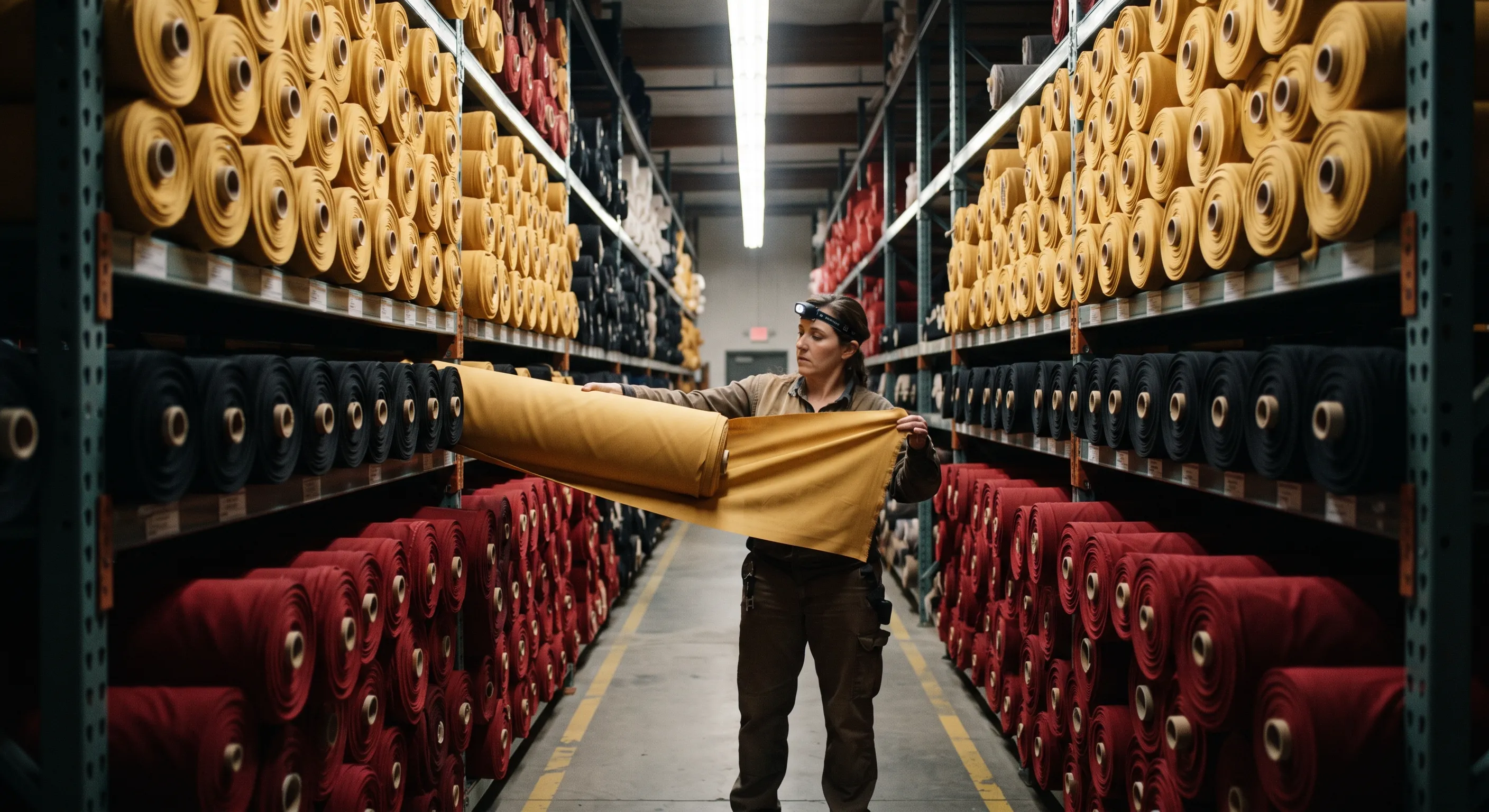
These are on the shelf and can go straight into sampling. Anything outside the list is sourced or dyed to your specification, which typically adds ten to fourteen days at the front of the schedule.
| Cloth | Weight | Construction | Where it is used |
|---|---|---|---|
| Poly viscose suiting | 240 GSM | Plain weave, 65/35 | Tailored garments |
| Cotton rich shirting | 120 GSM | Poplin, easy care | Shirts and blouses |
| Cotton drill | 280 GSM | 3/1 twill | Workwear and heavy garments |
| Pique knit | 200 GSM | Honeycomb face | Polos and knit tops |
| Performance interlock | 160 GSM | Four way stretch | Sportswear and activewear |
| Brushed fleece | 280 GSM | Anti pill face | Hoodies and mid layers |
| Chef twill | 220 GSM | 2/1 twill, stain release | Kitchen and service wear |
| Flame resistant drill | 320 GSM | Inherent FR treatment | Certified industrial garments |
If your project needs a cloth we do not hold, tell us the weight, the composition and the hand feel you are after, or send a swatch. Sourcing to a swatch is more reliable than sourcing to a description, and it is usually faster too.
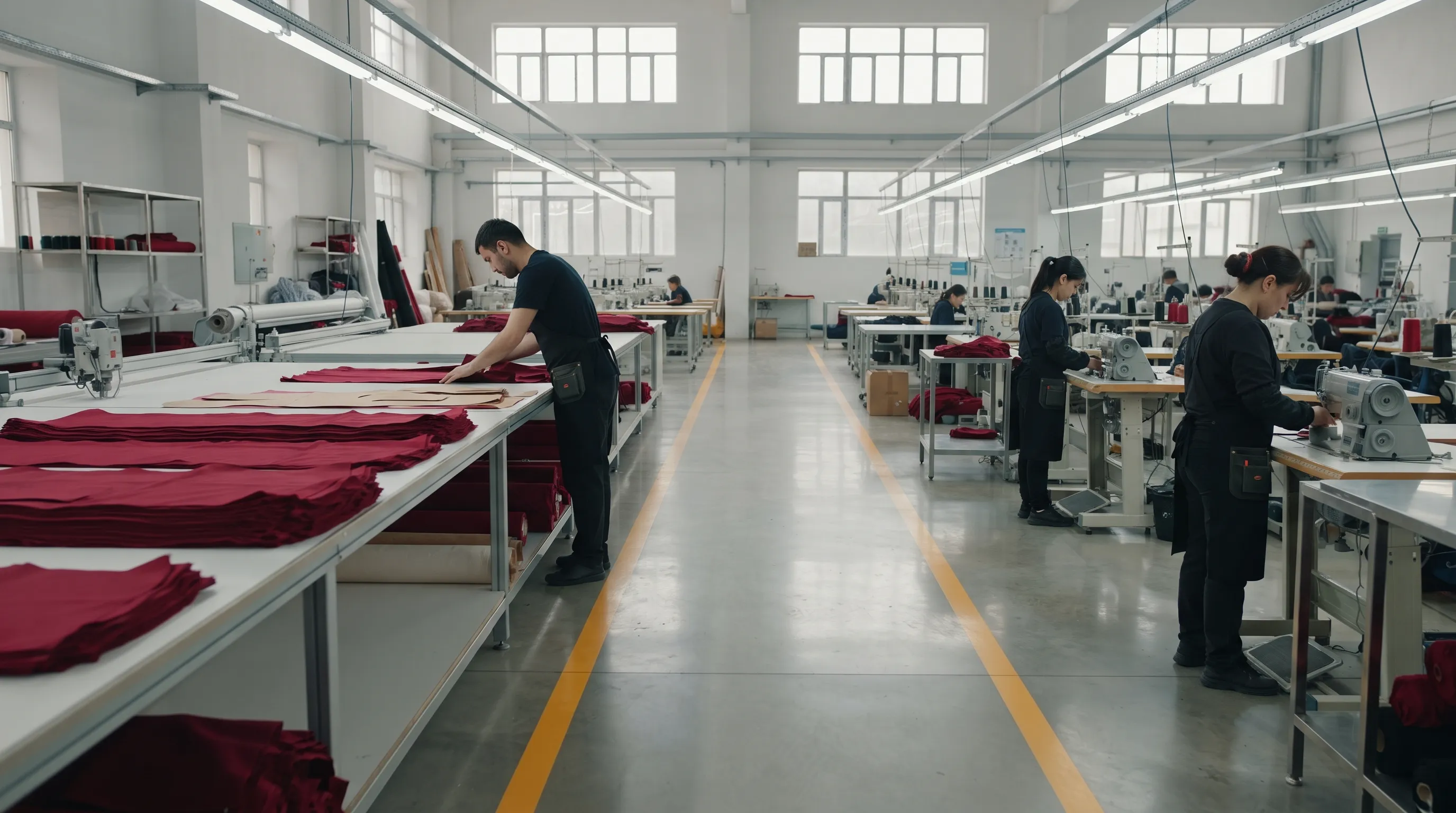
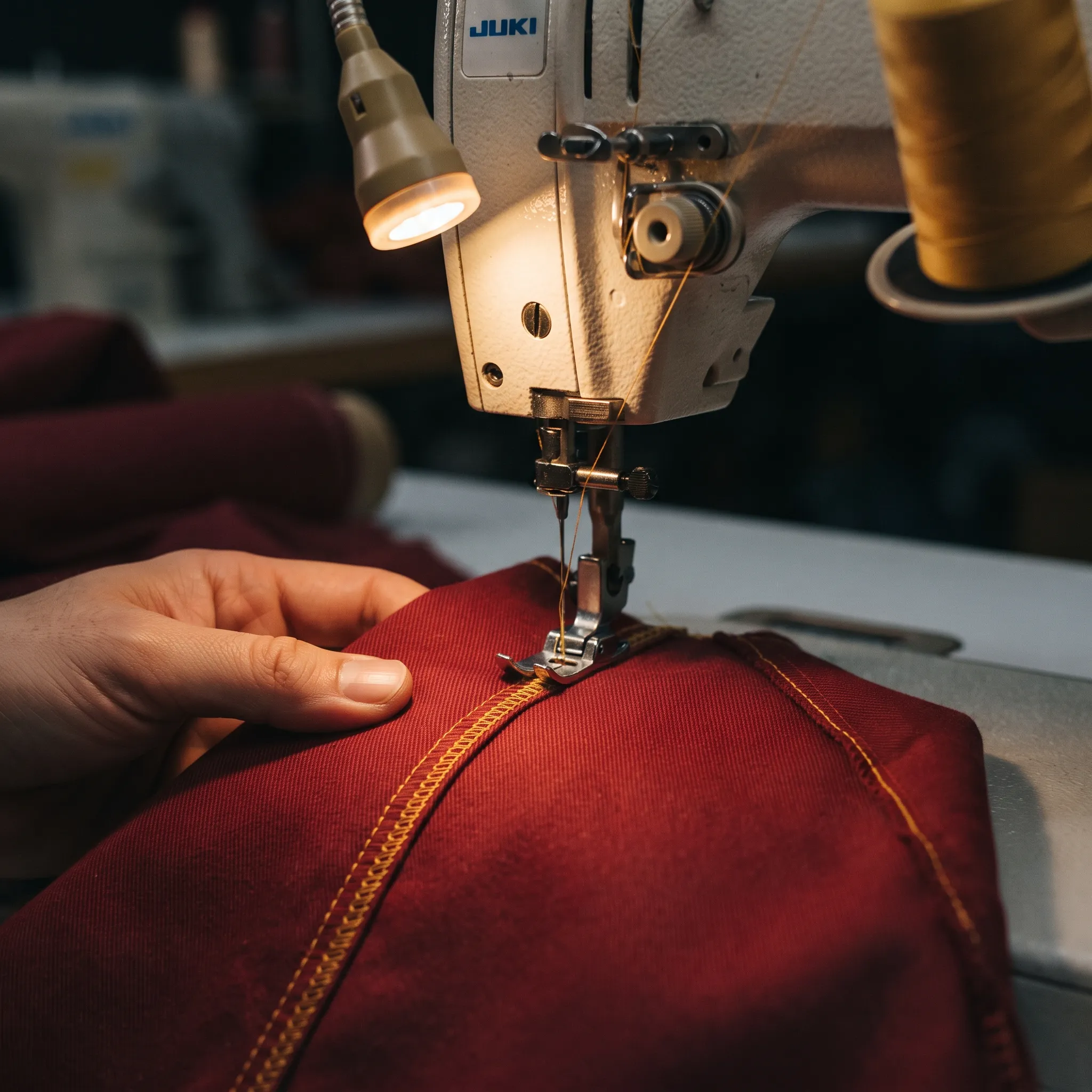
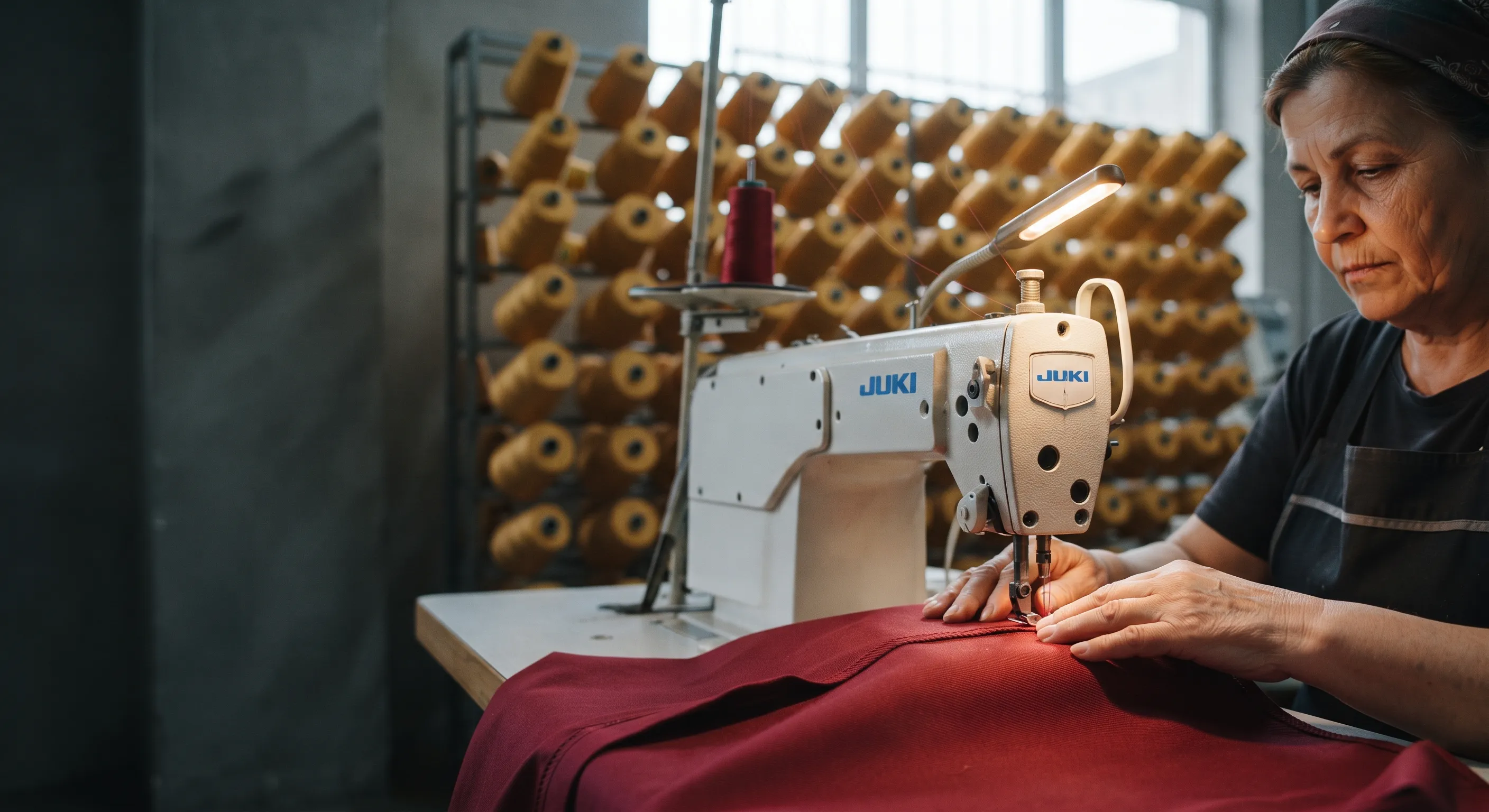
Pattern cutting, marker laying, cutting and assembly on a development run. If you have never seen your own design being made, this is roughly what happens between approving a drawing and receiving a sample.
Custom work goes wrong in the gaps between stages. Every stage here produces something you can see: a drawing, a swatch, a measurement chart or a garment.
You send whatever you have. We come back with what is buildable, what is not, what it will roughly cost and what the honest timeline looks like, before either of us commits.
Your brief becomes a technical drawing with measurements, seam types, trims and placements. You confirm this in writing, and it becomes the reference for everything after.
Cloth sourced or dyed to your shade. Lab dips are sent physically for approval, and the approved swatch becomes the standard held against your account.
The block is drafted to your measurement chart and graded across the full size range, with ladies fit and extended sizes drafted as their own blocks.
A real sample in seven to ten days. Most projects take one revision round, some take two, and we would rather do the second round than talk you out of it.
Bulk is not cut until you sign off the sample in writing. That signed sample is retained so there is an agreed physical reference if anything is disputed later.
Cut in lay against the approved marker, assembled by operation, with your labels, tags and packaging applied as specified.
AQL 2.5 with measurement checks against the signed spec, then packed, carton marked and shipped with export documents prepared here.
These are the six failures we hear about most often from clients arriving from a previous supplier. Each one is a process decision rather than a skill problem.
A cloth or trim you approved is swapped for something similar without anyone telling you. If a substitution is necessary here, you are asked, you choose, and it is recorded on the spec.
A single block scaled up and down produces a garment that fits the middle size and nothing else. Ladies fit and extended sizes are drafted as separate blocks, which costs more at development and far less in returns.
A date that assumes nothing goes wrong is not a date. If a dyed to order cloth adds two weeks, that appears in the quotation, not in an apology email during week five.
Bulk arriving different to the approved sample is the most common complaint in this industry. The signed sample is retained here as the physical reference for the bulk run.
Work quietly passed to a third party and relabelled. You will always know where your order is being produced, and we will not claim capability we do not have to win a project.
A price quoted at volume that only materialises at the second order. Small batch work is priced as small batch work, so the cost you plan around is the cost you pay.
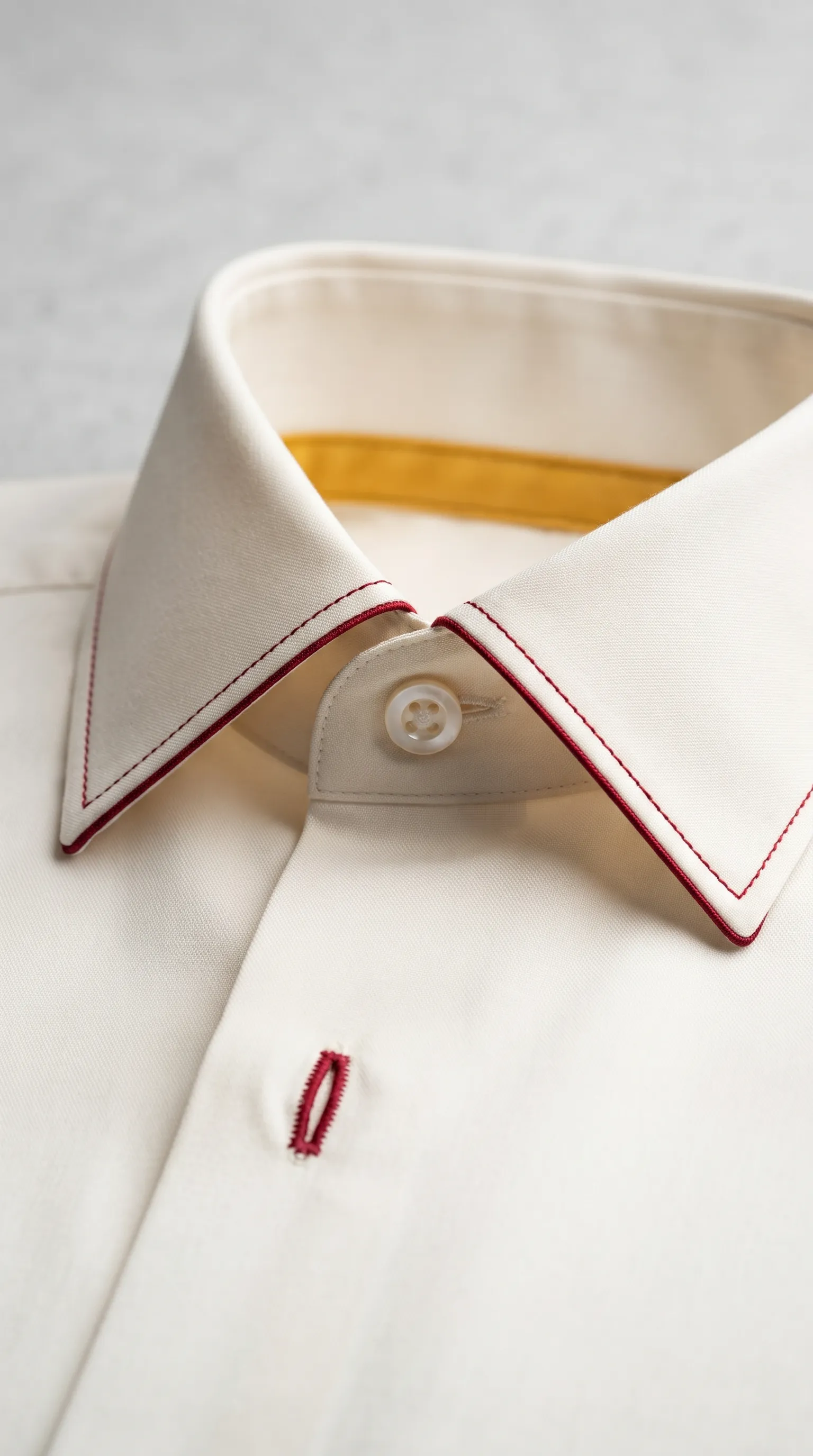
Pattern work, cutting, cloth and finished samples from custom briefs across several categories.
A photograph, a returns spreadsheet and a garment in a bin bag. All three became production.
A photograph of a jacket the brand team liked, with no tech pack and no supplier willing to start from it. Patterned and sampled in nine days, then developed into a full capsule.
A product line with a return rate driven by sizing rather than quality. Returns data analysed, block redrafted and the range regraded across separate ladies and extended blocks.
A first production run to test a market, priced honestly as a small batch rather than quoted at a volume price. Scaled to full production at the third order on the same held pattern.
A garment in an envelope is a better brief than a document. Post it, or send photographs with a few measurements, and you will have a costing and an honest timeline back within one working day.
Tell us the garment, the quantity and the date. That is enough for a costing.
We reply within one working day. No mailing list.
A written quote will reach you within one working day.