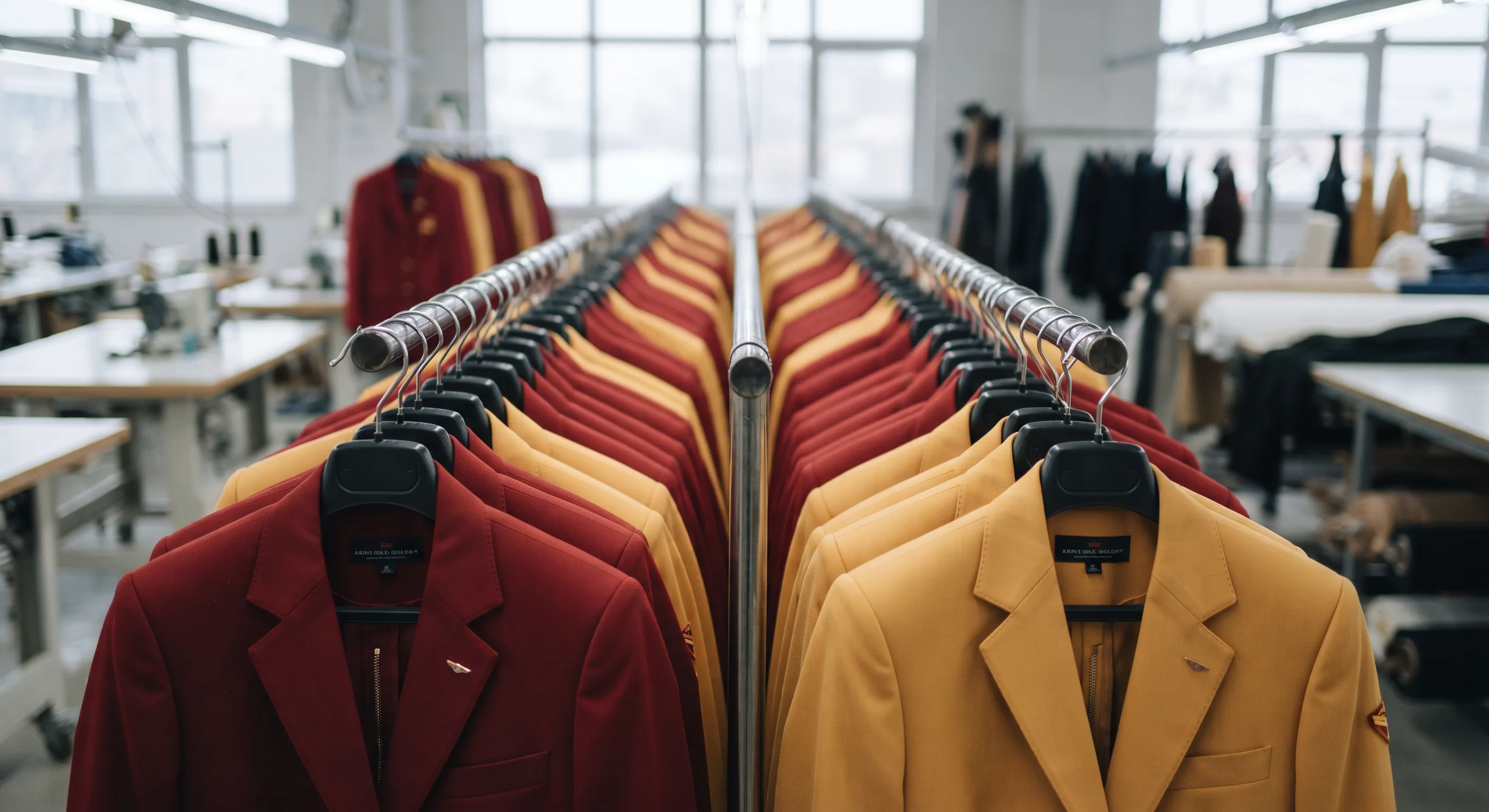
Tailored blazers and jackets
Poly viscose suiting with fusible interlining that will not bubble after dry cleaning. Half canvas construction available where the programme carries a client facing or executive tier.
Get in touch
Sales line+92 329 6140058 Emailbusiness@benjima.com Factory and officeRungpura, Sialkot, Punjab, Pakistan Working hoursMonday to Saturday, 9:00 to 18:00 PKTFollow
Suiting, shirting, knit polos and outerwear built as one wardrobe. One shade standard, one graded size set, one spec sheet, so head office, branch and field teams stop looking like three different companies.
Corporate programme / 6 departments
Most corporate uniform problems are not stitching problems. They are matching problems. The blazer comes from one supplier, the shirt from another, the polo from a third, and by the second year the navy in reception is not the navy in the warehouse. Nobody notices on day one. Everybody notices in the group photo.
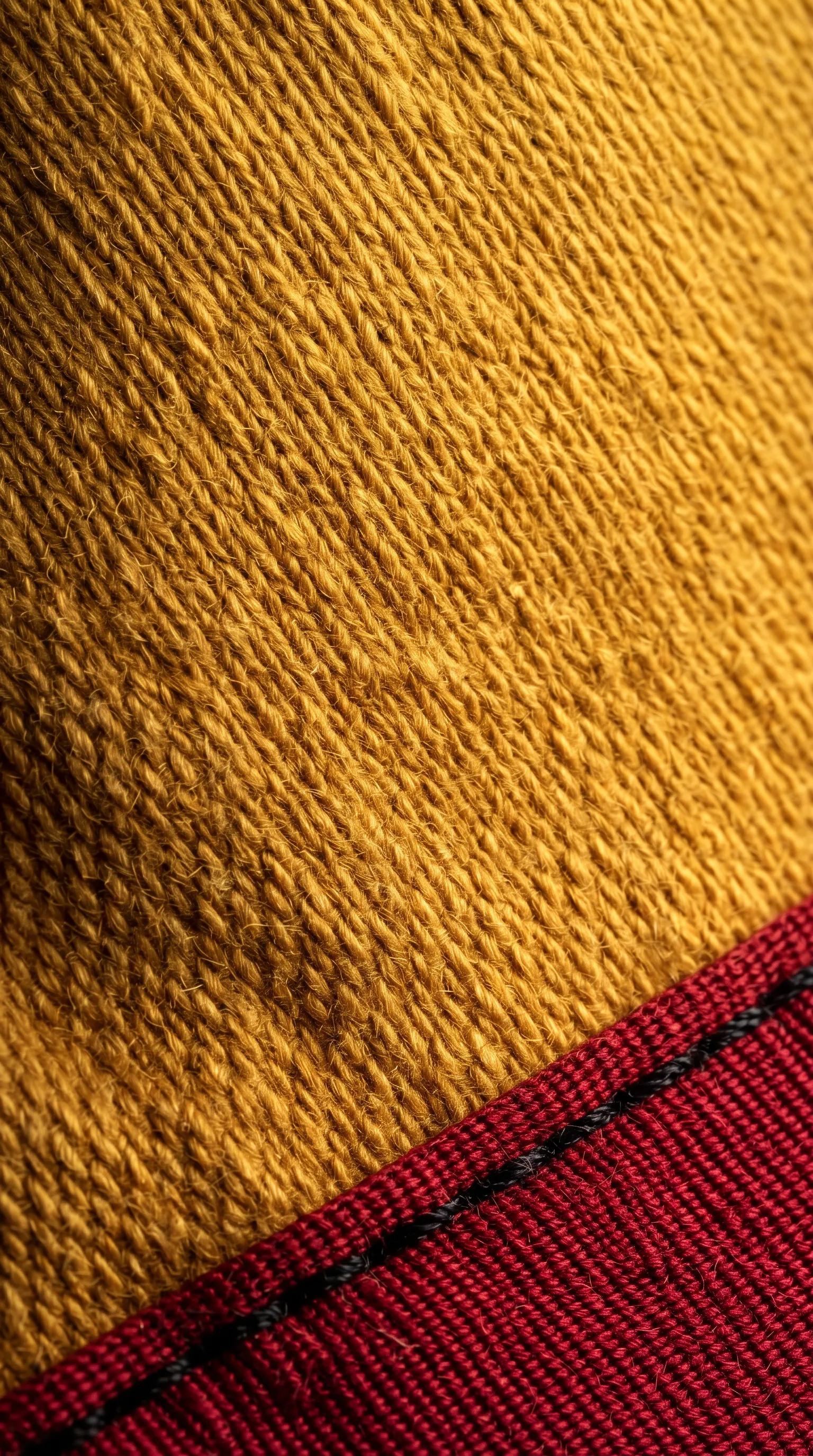
We handle the wardrobe as a single programme. Your primary and secondary colours are lab dipped once, approved once, and kept as a physical shade standard against your account. Every cloth in the programme, suiting, shirting, pique and outerwear shell, is matched to that same standard, even though each one takes dye differently. That is the part that quietly decides whether year two looks like year one.
The same discipline applies to fit. One graded size set covers the whole programme, so a size 40 blazer, a 16 collar shirt and a large polo sit on the same person without argument. New starters are issued from the same size chart your HR team already has on file, not from a guess.
Pick the styles your programme actually needs. Each one is patterned to your measurement chart and carries your branding in the placement you approve, so the wardrobe reads as one decision rather than nine purchases.
Poly viscose suiting with fusible interlining that will not bubble after dry cleaning. Half canvas construction available where the programme carries a client facing or executive tier.
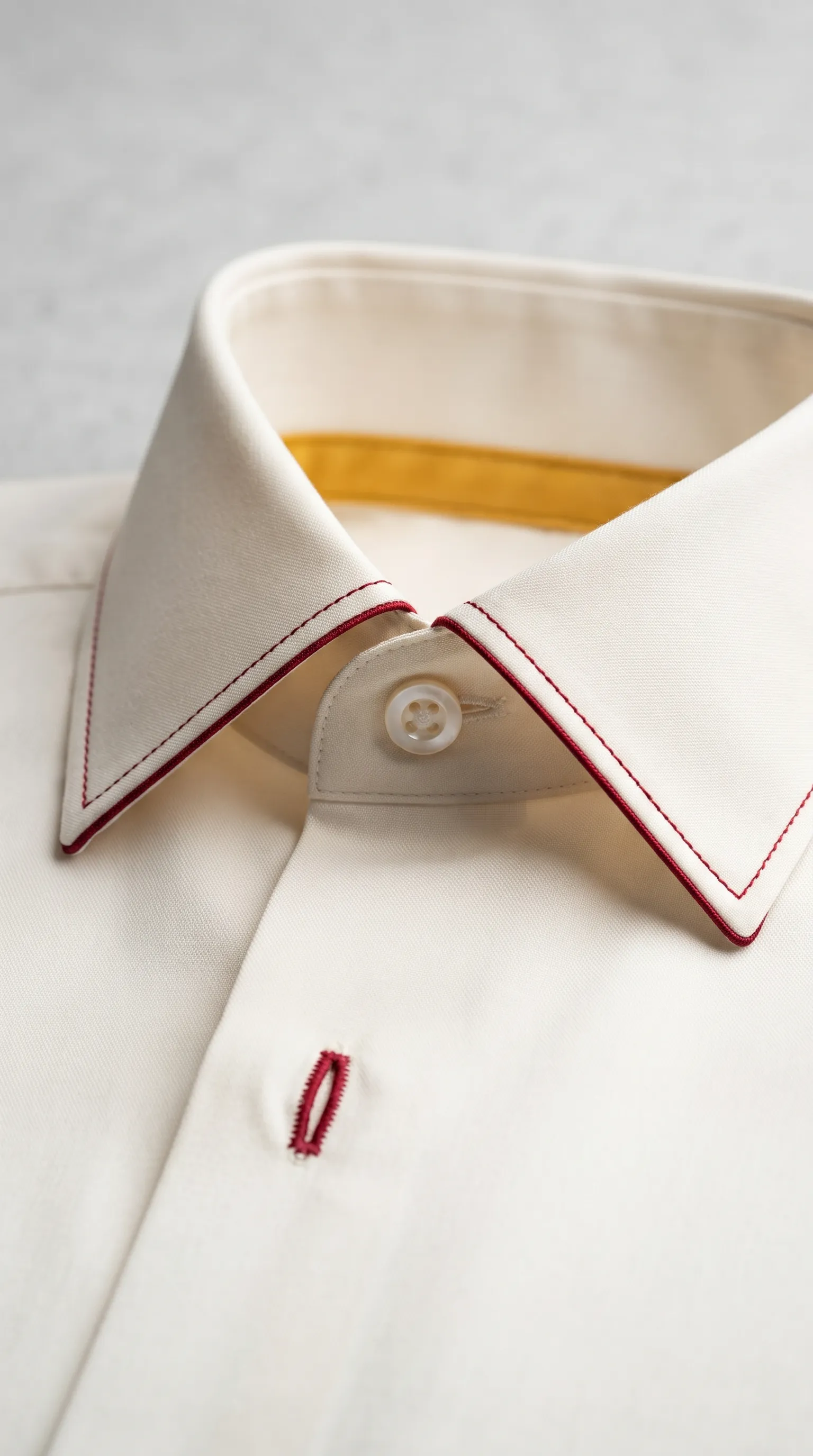
Easy care cotton rich shirting with a collar built to stay flat through a hundred industrial washes. Cut for a hot climate in short sleeve and a standard weight in long.
Pique knit for corporate casual, field teams and branch floors. The textured face hides creasing on a long shift and holds an embroidered logo without the stitches sinking.
Flat front and pleated trousers matched to the blazer cloth, plus a chino weight for softer dress codes. Waistbands built with a reinforced curtain so they hold their line.
Wind resistant softshell and bonded fleece for field, logistics and forecourt teams. Shell colour matched to the corporate palette rather than picked from a stock swatch card.
V neck pullovers, cardigans and quilted gilets for the layer between shirt and jacket, sized to sit cleanly over shirting without pulling at the shoulder.
A tighter capsule for the people your visitors actually see. Structured jackets, scarves, ties and pocket squares in the accent colour that the rest of the programme only hints at.
Woven labels, heat sealed size tabs, lanyards, ties, scarves and department colour piping. The small pieces that let one wardrobe run across several job roles.
Each sub page carries the fabric options, construction notes, branding methods and price bands for that single garment. Useful when your tender document asks for specifics rather than a category.
Suiting weights, lining choices and the construction that survives a dry cleaning cycle.
Collar builds, cuff options and easy care finishes for daily wear shirting.
Pique and interlock knits, rib collars and logo placement that holds its shape.
These are held as base cloths. Anything outside the list is woven and dyed to your specification, which adds roughly ten days at the front of the schedule.
| Cloth | Weight | Construction | Where it is used |
|---|---|---|---|
| Poly viscose suiting | 240 GSM | Plain weave, 65/35 | Blazers, trousers, skirts |
| Cotton rich shirting | 120 GSM | Poplin, easy care finish | Shirts and blouses |
| Oxford shirting | 140 GSM | Basket weave | Branch and field shirting |
| Pique knit | 200 GSM | Honeycomb face | Polo shirts |
| Twill chino | 260 GSM | 3/1 twill, stretch option | Chinos and casual trousers |
| Softshell | 300 GSM | Bonded three layer | Field outerwear |
| Bonded fleece | 280 GSM | Anti pill face | Mid layer and gilets |
Every cloth is tested for shrinkage, pilling and colour fastness before cutting. Shade approval is a physical lab dip signed by you, not a screenshot, which is why a reorder two years later still matches.
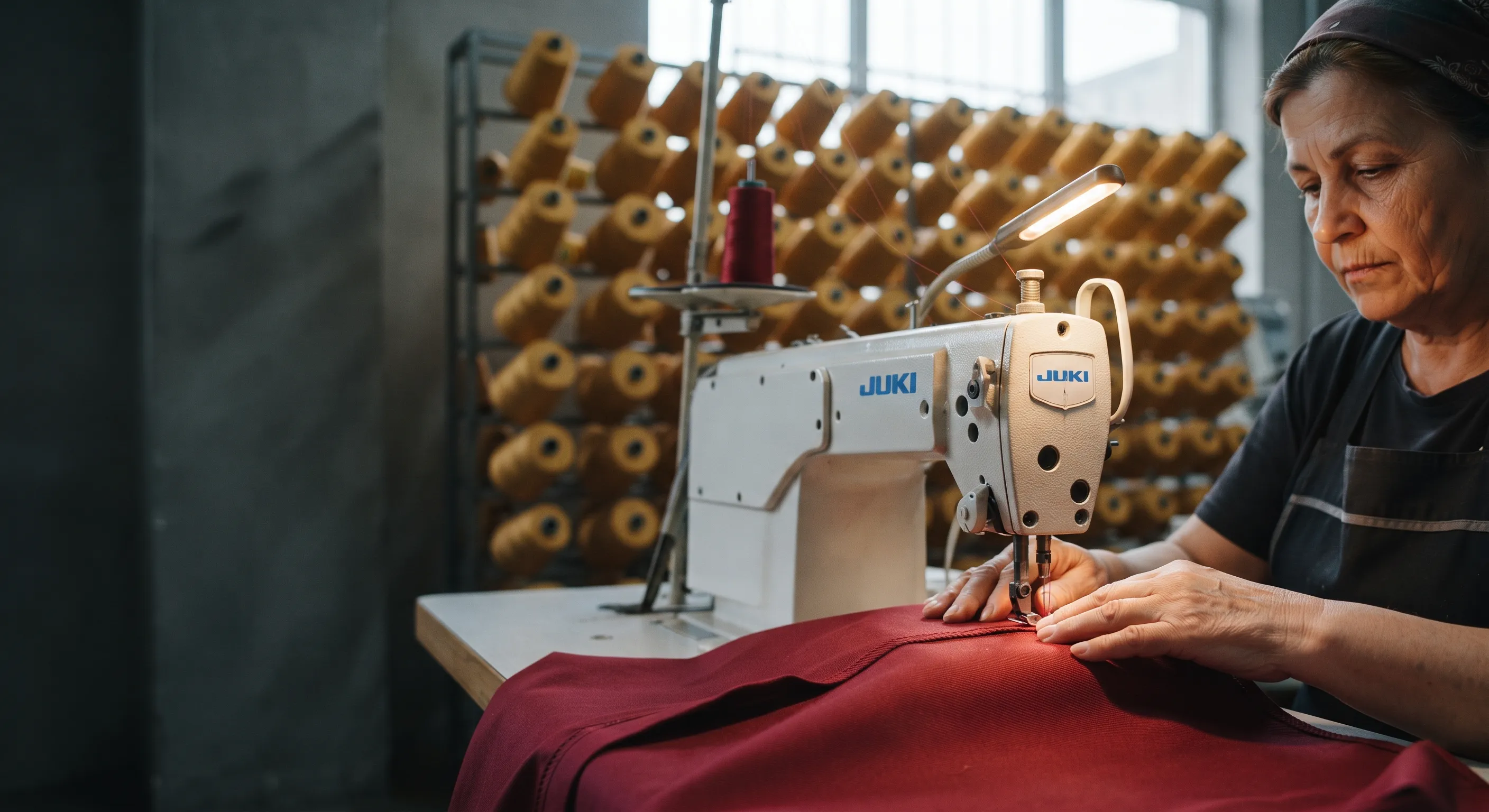
Cutting, stitching, embroidery and inspection on a live uniform run. No voiceover actor and no stock footage, because you are buying the process more than the photograph.
A corporate programme usually involves procurement, HR and a brand owner who all want a different thing. The stage record is how those three people end up agreeing on the same garment.
You send a sketch, a photo, a competitor garment or an existing uniform. It comes back as a spec sheet with measurements, trims, placement and a size chart to sign.
Your primary and secondary colours are dyed on each cloth in the programme and sent for physical approval. The approved swatch becomes the standard we hold on file.
Blocks are drafted to your measurement chart, then graded across the full size range including ladies fit and extended sizes where the programme needs them.
A real garment in the approved cloth with your branding applied, delivered in seven to ten days. Bulk is not cut until you sign it off in writing.
Markers are laid for minimum waste, cut in lay, then bundled by size and department so the wrong trim never reaches the wrong line.
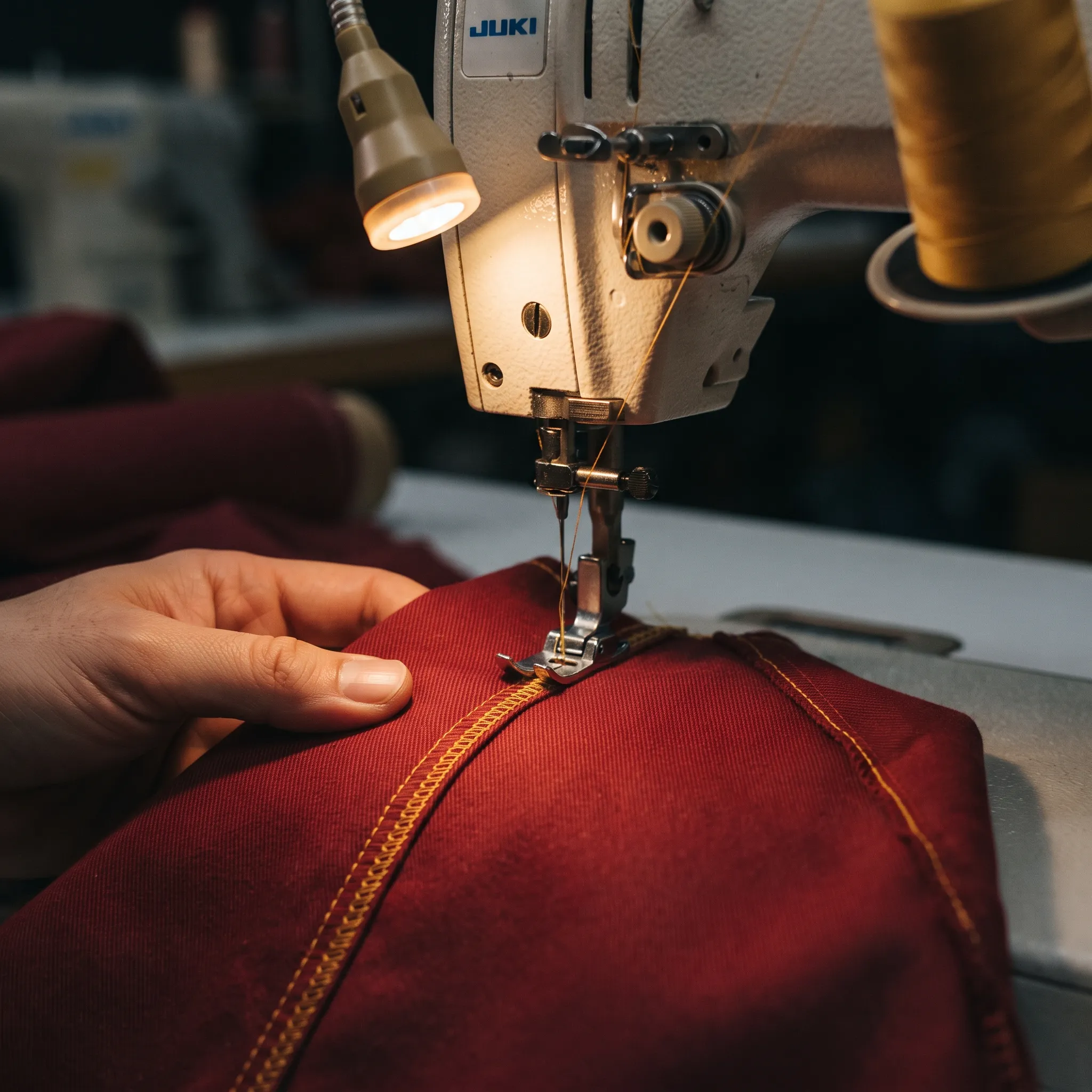
Stitching by operation with bar tacks at every stress point, then embroidery, print or heat seal applied to the approved placement.
AQL 2.5 with measurement checks against the signed spec, plus a wash test on a sample pull from the run before the cartons are sealed.
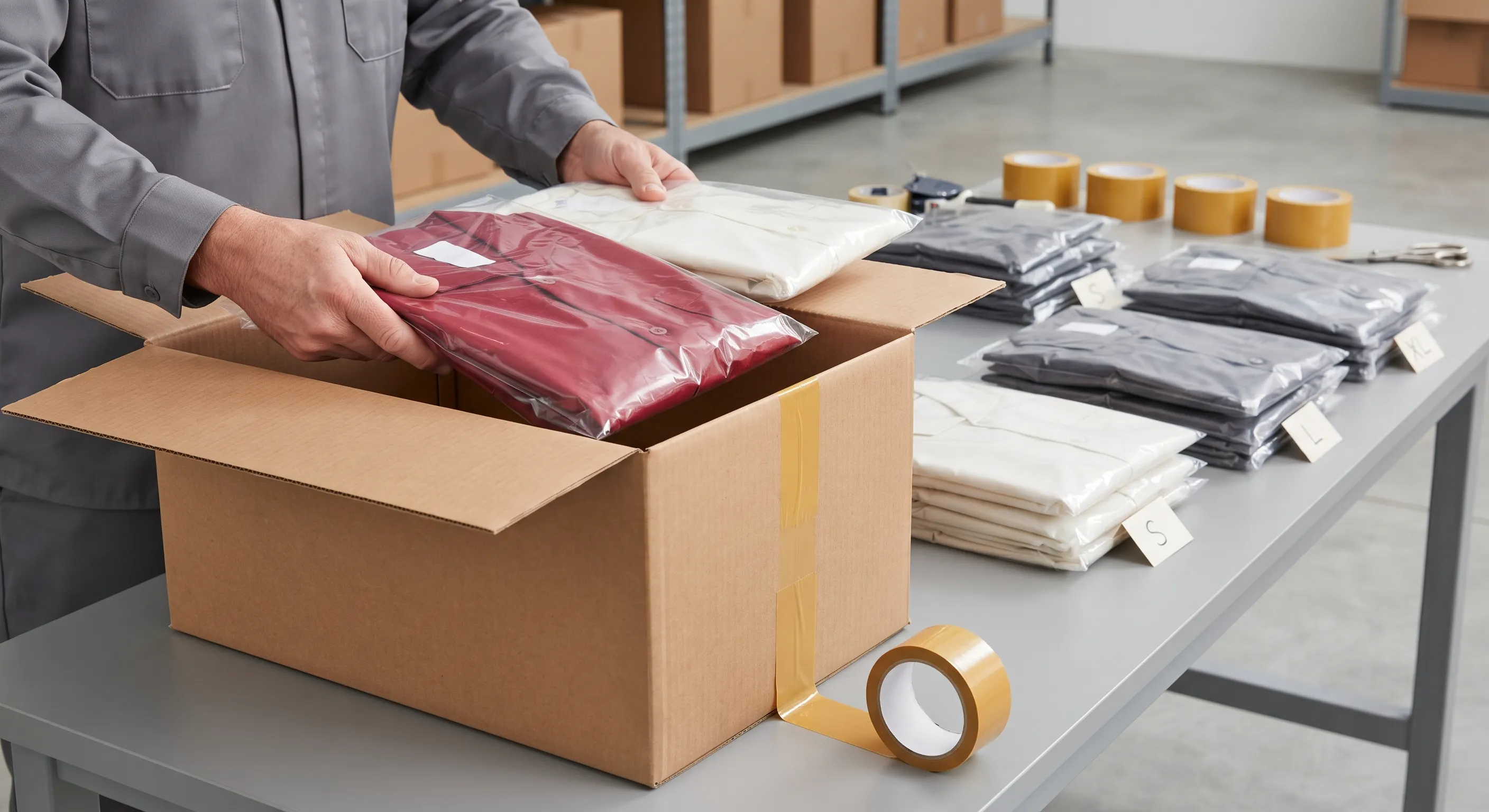
Poly bagged, sorted by size and site, carton marked to your distribution list, with export documents handled here so your forwarder receives one clean file.
The first order is judged on price and sample. The second is judged on whether anything drifted. These are the six places drift usually shows up.
Your lab dip is kept as a physical standard against your account. Reorders are matched to that swatch, so a top up run sits next to a two year old garment without an argument.
Graded patterns are locked to your style number. A medium in the reorder measures what a medium measured last year, which is the whole reason HR stopped keeping a complaints spreadsheet.
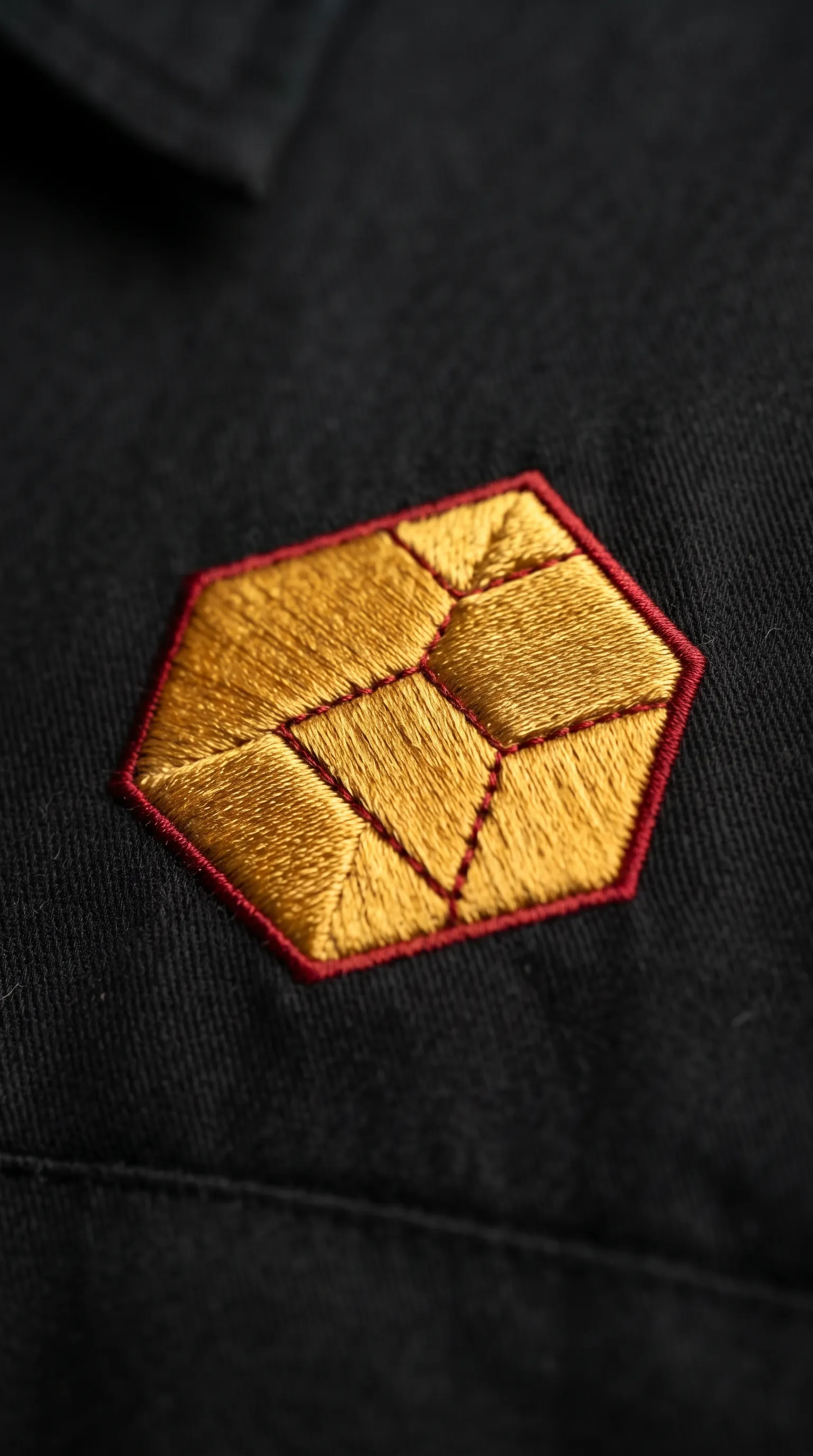
Embroidery is digitised once and the file is reused. Stitch count, thread shade and placement measurement are recorded, so the mark does not quietly get bigger over three runs.
For contract clients we hold your cloth and an agreed size buffer. New starter orders normally dispatch inside 72 hours instead of waiting on a full production slot.
You get the date the line can actually hold, not the date you would like to hear. If a dyed to order cloth is going to add ten days, that is said at quotation stage.
Stitching or fabric faults inside twelve months are replaced. Send a photo and the carton number and the replacement travels with your next dispatch.
Shirting, blazers, knitwear and branding details pulled from programmes shipped in the last twelve months.
Anonymised where the client asked. The numbers are from the production record rather than the marketing department.
One wardrobe colour matched across head office, branch counters and a field collections team. A size buffer is held so new starters are issued in the correct shade rather than the nearest one.
Warehouse polos, driver shirting and softshell for yard supervisors, all matched to a corporate navy that had previously drifted across three suppliers.
A photograph of a jacket the brand team liked, turned into a patterned sample in nine days, then developed into a front of house capsule with scarves and accent trims.
That is enough for a costing. If you already have a uniform you want matched or replaced, send a photo of it and we will pattern from that instead of starting from a blank sheet.
Tell us the garment, the quantity and the date. That is enough for a costing.
We reply within one working day. No mailing list.
A written quote will reach you within one working day.