Pilot, then scale
Pilot orders start at 50 units, and monthly contracts can go beyond 50,000 coveralls. Repeat orders come from the same digital markers, so every batch matches.
Get in touch
Sales line+92 329 6140058 Emailbusiness@benjima.com OfficeRungpura, Sialkot, Punjab, Pakistan Working hoursMonday to Saturday, 9:00 to 18:00 PKTFollow
A good coverall is the one your technicians forget they are even wearing all day. It lets them crawl under a vehicle, reach into an engine bay or climb through a hull without pulling at the neck. Benjima is a coveralls manufacturer serving shipyards, airline hangars, automotive workshops, manufacturing plants and uniform distributors.
We make boiler suits, mechanic overalls, winter-lined suits, lightweight summer coveralls, reflective suits, anti-static paint shop coveralls, splash barrier suits and bib overalls. You choose fabric, colour, pocket layout and branding, and one merchandiser personally looks after your order through sampling, bulk production and shipping, so you never have to chase a reply or guess at a date.
Coveralls are a one-piece garment, so fit matters more than with separate jackets and trousers. Torso length decides whether a suit is comfortable or pulls all shift. That is why we start with sizing, a size-set and a proper wear trial on your own people before anything else is decided.
Every coverall order begins with a finished pre-production sample, made within 7 to 10 business days. Have your technicians wear it for a shift. Check the zip, kneel on the floor, reach overhead, and see whether the pockets dig in when lying under a vehicle or crouching in a tight corner.
Any change, from pocket position to cuff style, is made on the sample before bulk cutting starts. Once you sign it off, the approved sample becomes the standard for every suit we make, and repeat orders are cut from the same digital markers so they match your first delivery exactly.


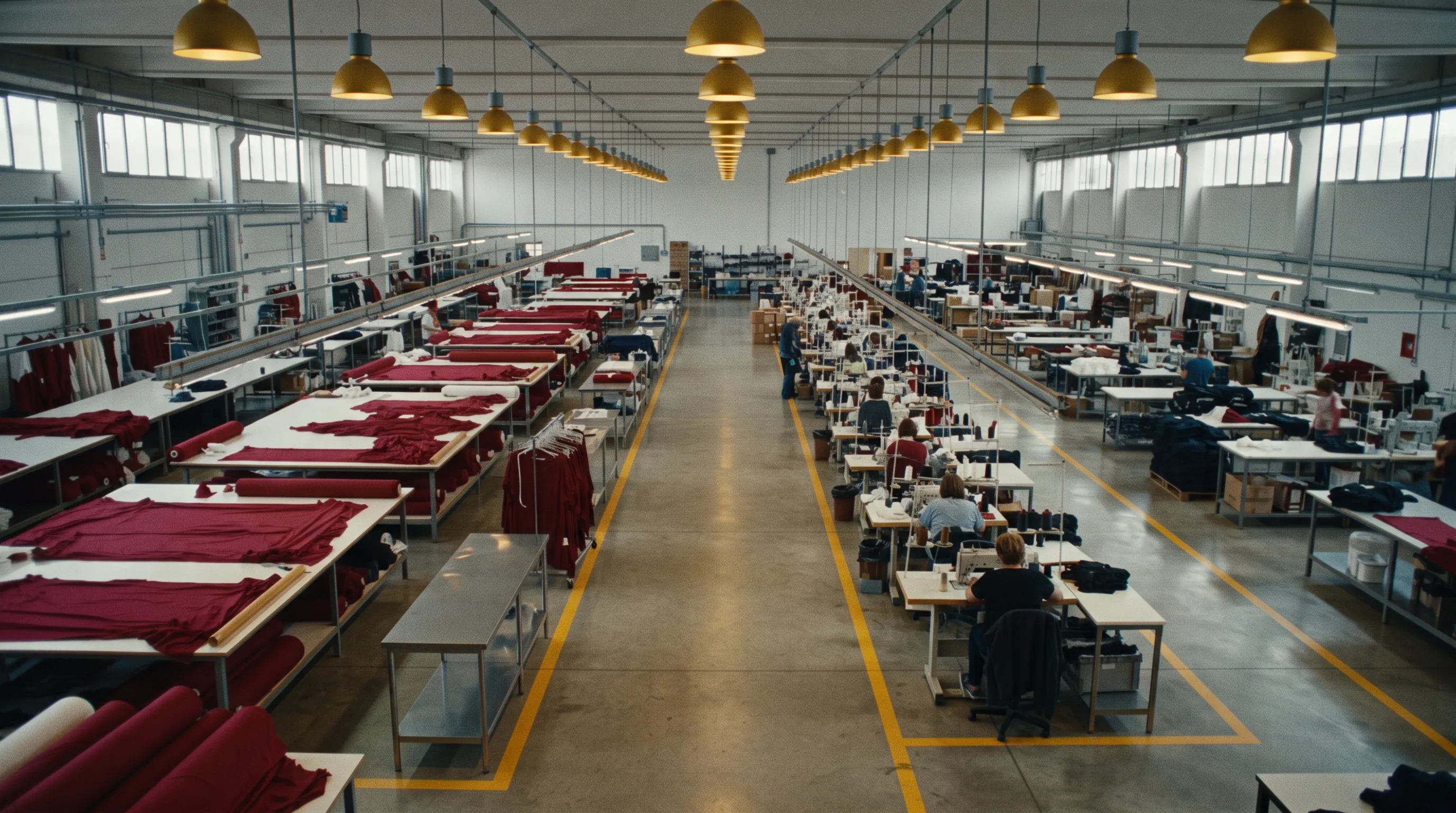
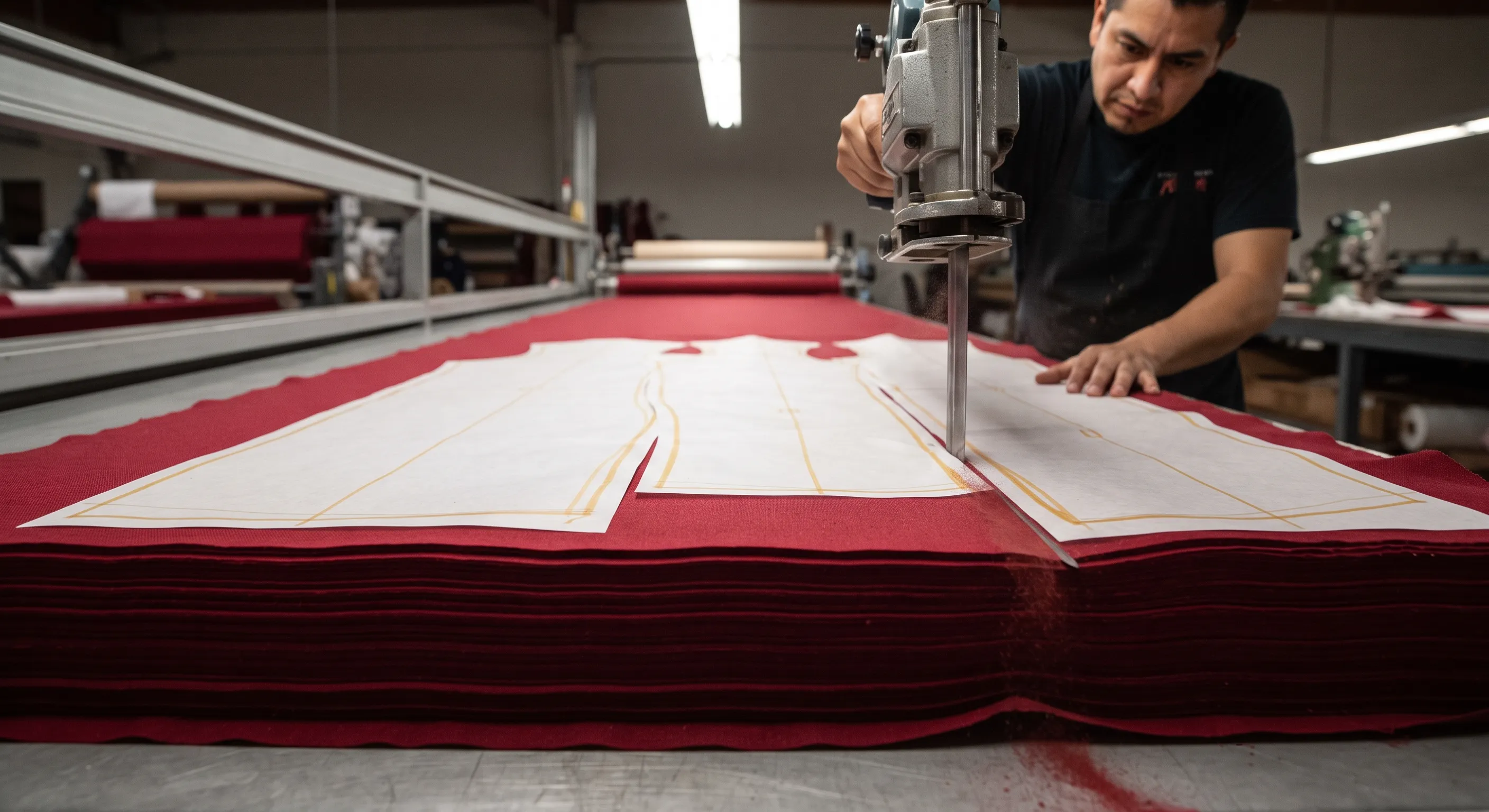
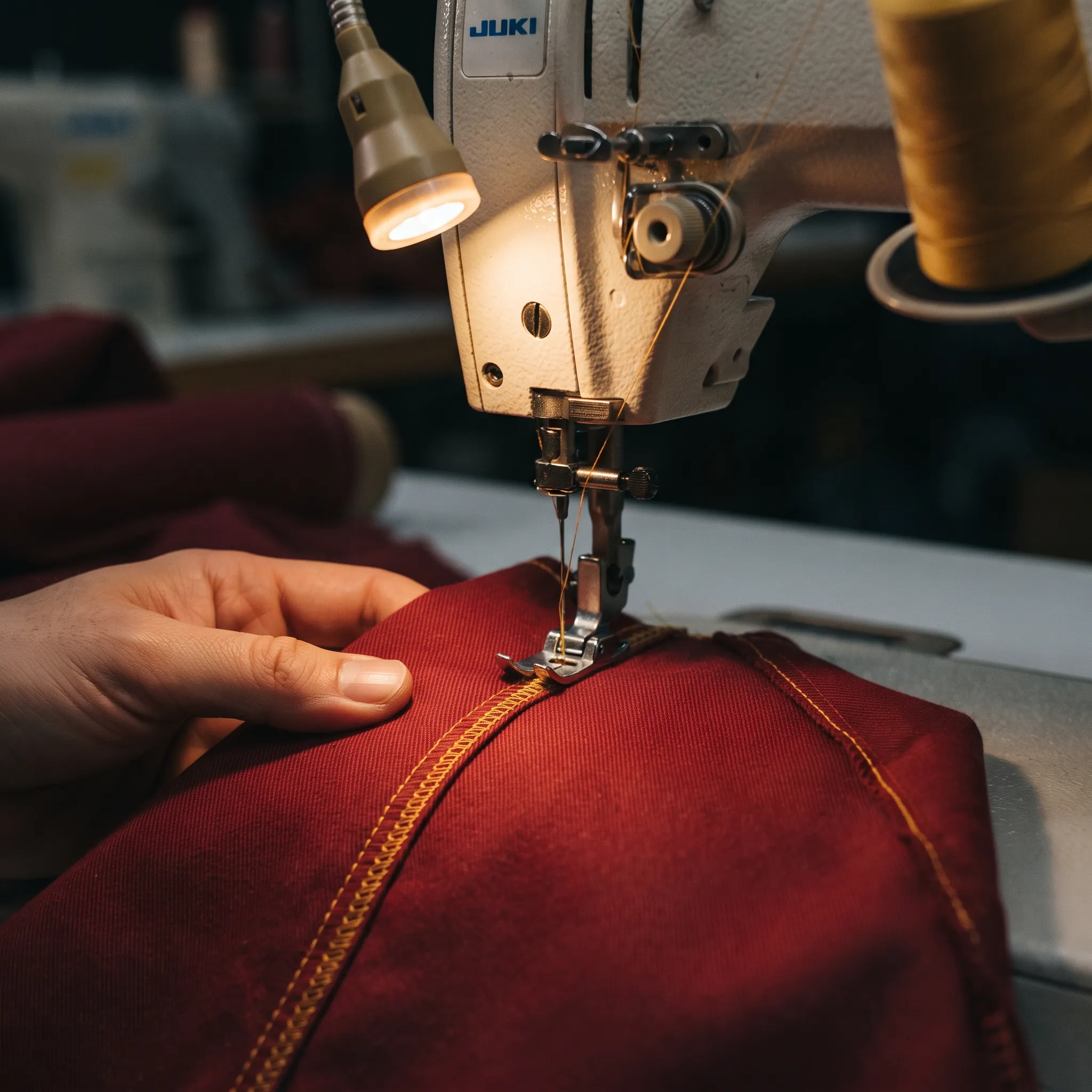
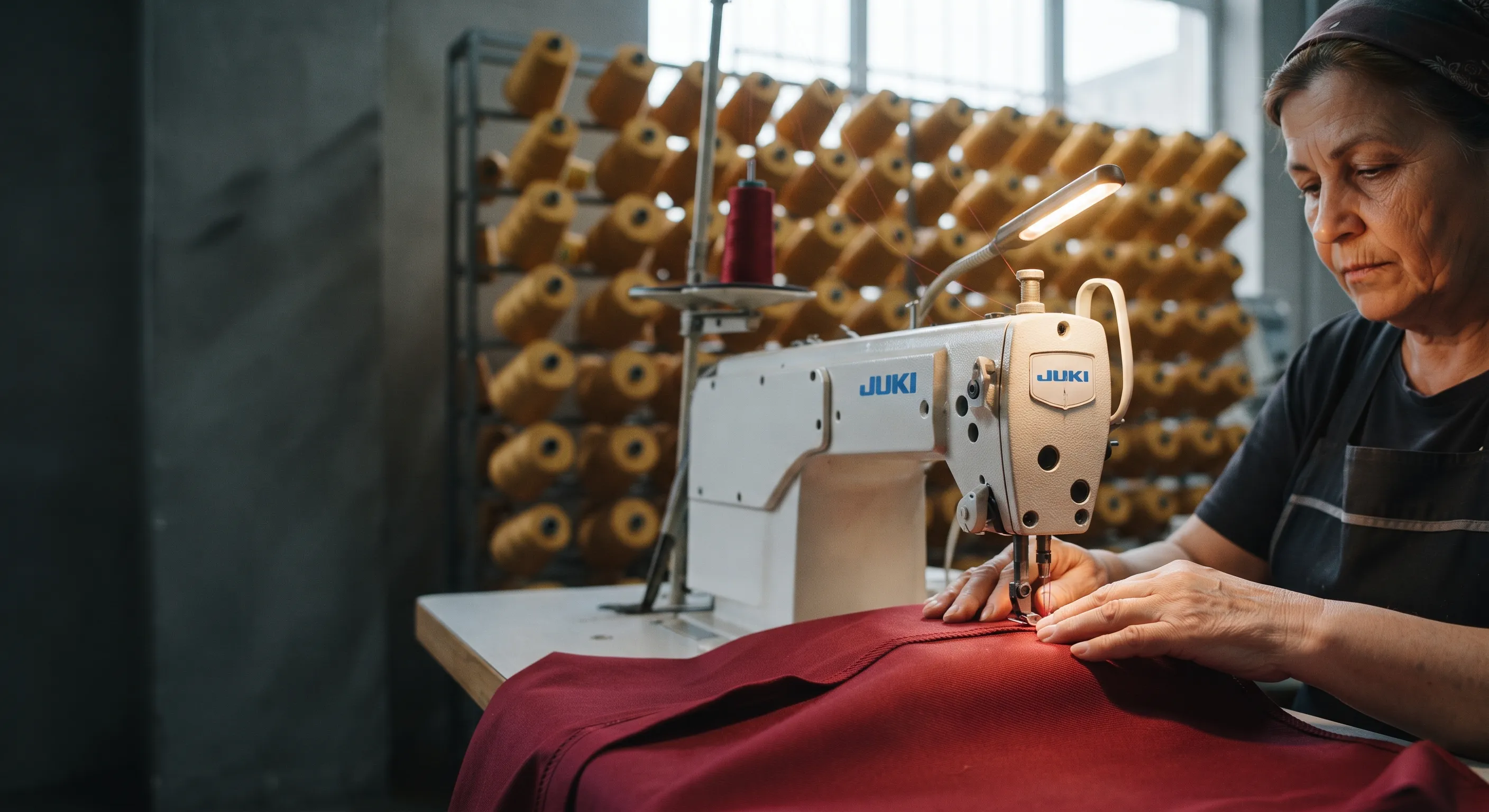
The video shows a coverall order from raw drill to finished, folded suit: checking the fabric, cutting on automated lines, setting the two-way zip, triple-stitching the stress seams and measuring each piece before packing. Your order follows that exact route, and you get photos at each stage so you know where it is without asking.
It is a helpful thing to share with your fleet manager, workshop supervisor or client before you order. Seeing how an action back or a pass-through pocket is built makes it much easier to agree on the details that matter, whether that is cuff closures near rotating parts, knee reinforcement or a particular brand colour.
Want to talk it through first? Send us a photo of your current suit and we will suggest practical improvements on a short call.

Sizes that really fit | Chest sizes from 34 to 60 come in short, regular and tall lengths. Torso length decides comfort in a one-piece suit, so every technician gets a fit that does not pull at shoulders or crotch.
Pilot orders start at 50 units, and monthly contracts can go beyond 50,000 coveralls. Repeat orders come from the same digital markers, so every batch matches.
We pack each depot's order in its own size ratio, so every site receives exactly what its roster needs and nothing sits unused in a storeroom for months.
A dedicated merchandiser keeps sampling, approvals and shipping on schedule and answers your questions directly. You also speak with the garment engineers who build your suits, so technical changes get settled quickly and without a middleman.

Coveralls for every kind of workplace


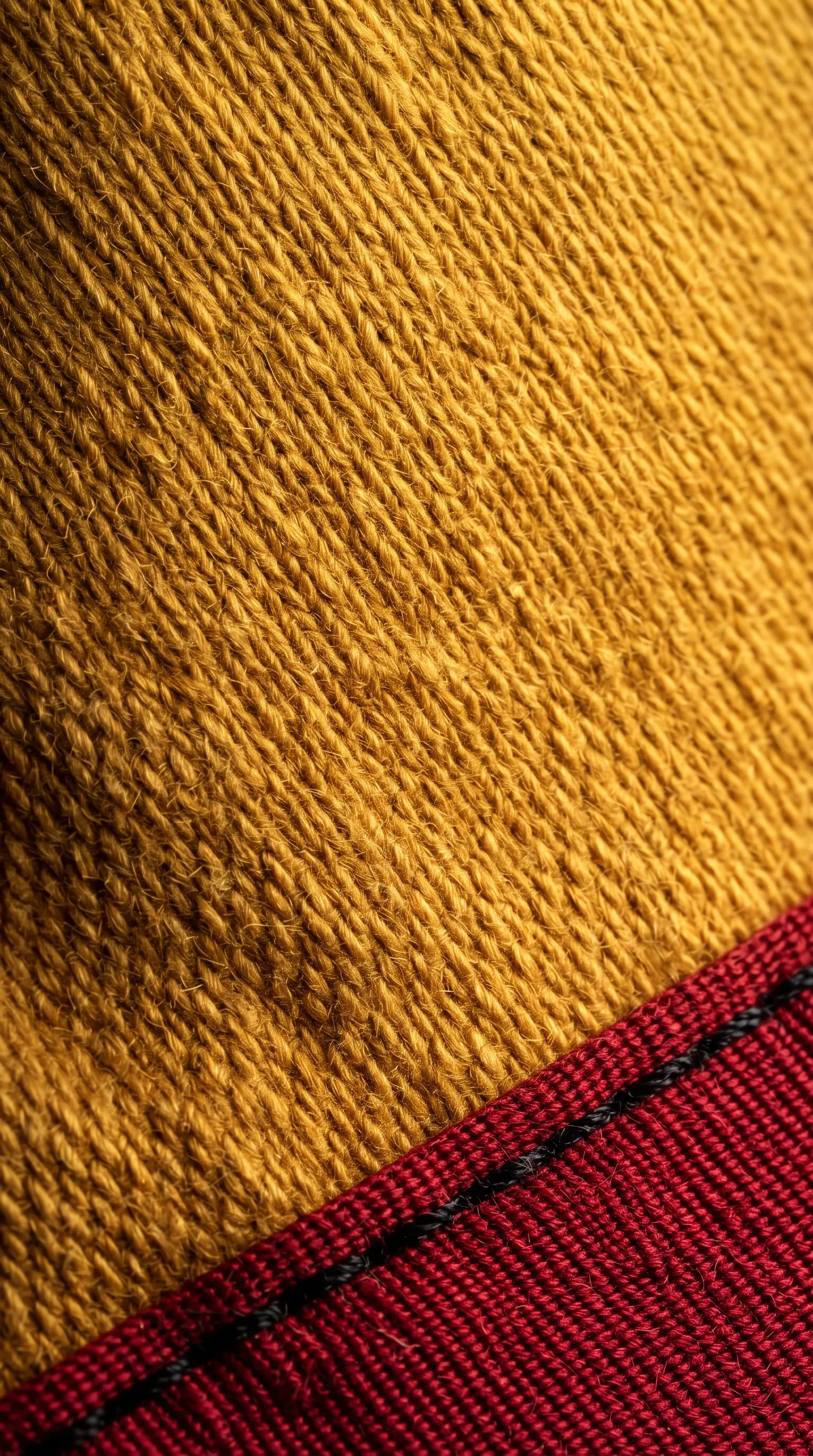
Cotton or poly-cotton fabric
Choose cotton drill for welding, grinding and shipyard work near sparks.
Choose poly-cotton for fleets with industrial laundry contracts.
Choose lightweight poplin with underarm vents for hot workshops, hangars and summer months.
A coverall should move the way your technicians move. Test it lying down, not just standing up.
Visibility and safety
From drill to boiler suit
Reach without pulling | The deep bi-swing back expands across the shoulders, so the suit does not drag at the neck when an arm stretches forward.
An internal elastic band draws the waist in, so the suit looks neat, sits close and does not snag on machinery or vehicle edges.
Double-layer knees resist wear when kneeling on concrete floors or steel decks for hours at a time.
Pockets are placed so tools do not dig in when kneeling or lying under a vehicle.
Shipyard and marine, Aviation maintenance crews, Automotive workshop technicians, Plant maintenance, Rail crews, Uniform leasing distributors
Share your requirements | Tell us the work, fabric preference, colours, quantities and delivery dates, or send a suit you already use, and we reply with options and a quote.
Start your orderWe send drill and twill swatches, colour choices and a size chart, and agree pocket and cuff details.
A finished sample arrives in 7 to 10 business days for your technicians to wear and test.
Bulk is cut from the approved sample, with AQL 2.5 checks and photos before packing.
Packed by depot and size ratio, then shipped door to door with all duties paid in advance.
Yes. We make fully finished pre-production samples within 7 to 10 business days, so you can judge fit, zip function, fabric durability and embroidery in person. Bulk cutting only begins after you approve the sample and the details are agreed in writing.
We recommend 100% heavy cotton drill at 240 to 300 GSM for spark resistance, or 65/35 poly-cotton twill for better tear strength, crease resistance and soil release. We will explain the trade-offs for your type of work and laundry routine.
Bulk production takes 18 to 25 business days from sample approval and deposit confirmation. Priority production lines are available for urgent shipyard dry-dockings and fleet contracts. You get dates for every stage with your quote, and we tell you first if anything moves.
Standard features include a two-way heavy-duty brass front zip, concealed snap placket, deep bi-swing action back, side pass-through pockets, an elastic waist and reinforced stress points. Extras such as knee pad pockets, reflective tape, radio loops or name panels can be added and checked on your sample before bulk begins.
Yes. We can apply 2-inch certified retroreflective tape around the chest, arms and lower legs, meeting ANSI Class 3 or EN ISO 20471. Tape layout is confirmed on your sample before bulk, so your safety team can sign it off.
Every lot is inspected to AQL 2.5, testing seam tensile strength, zip cycle durability, bar-tack security and fabric shrinkage. Checks start with shrinkage tests on raw yardage and finish with measurement audits on completed suits, so the last suit matches the first.
We ship door to door on DDP terms by air express or consolidated sea freight. We handle export customs declarations, bills of lading and import duties directly. When a fleet or shipyard needs thousands of suits, container freight brings the cost per suit down.
| Starting order | 50 units per style, mixed sizes |
|---|---|
| Size range | Chest 34 to 60 |
| Shrinkage control | Kept below 3% by sanforising first |
| Branding options included | Embroidery, printing and reflective tape |
| Ready to order coveralls for your crew? |
/contact-us/
Tell us the garment, the quantity and the date. That is enough for a costing.
We reply within one working day. No mailing list.
A written quote will reach you within one working day.