Moisture Wicking Fabric Guide: Best Polyester Blends for Gym Wear
Selecting the right moisture wicking fabric is fundamental to engineering high-performance gym wear and activewear in 2026. From synthetic polyester blends and micro-nylon weaves to quick-dry capillary technology and GSM weights, moisture wicking fabric dictates athlete thermal regulation, garment lifespan, and customer retention. This guide explains how performance fabrics work and provides practical B2B sourcing insights for apparel brands.
1. Moisture Wicking Fabric: Why It Powers Modern Activewear
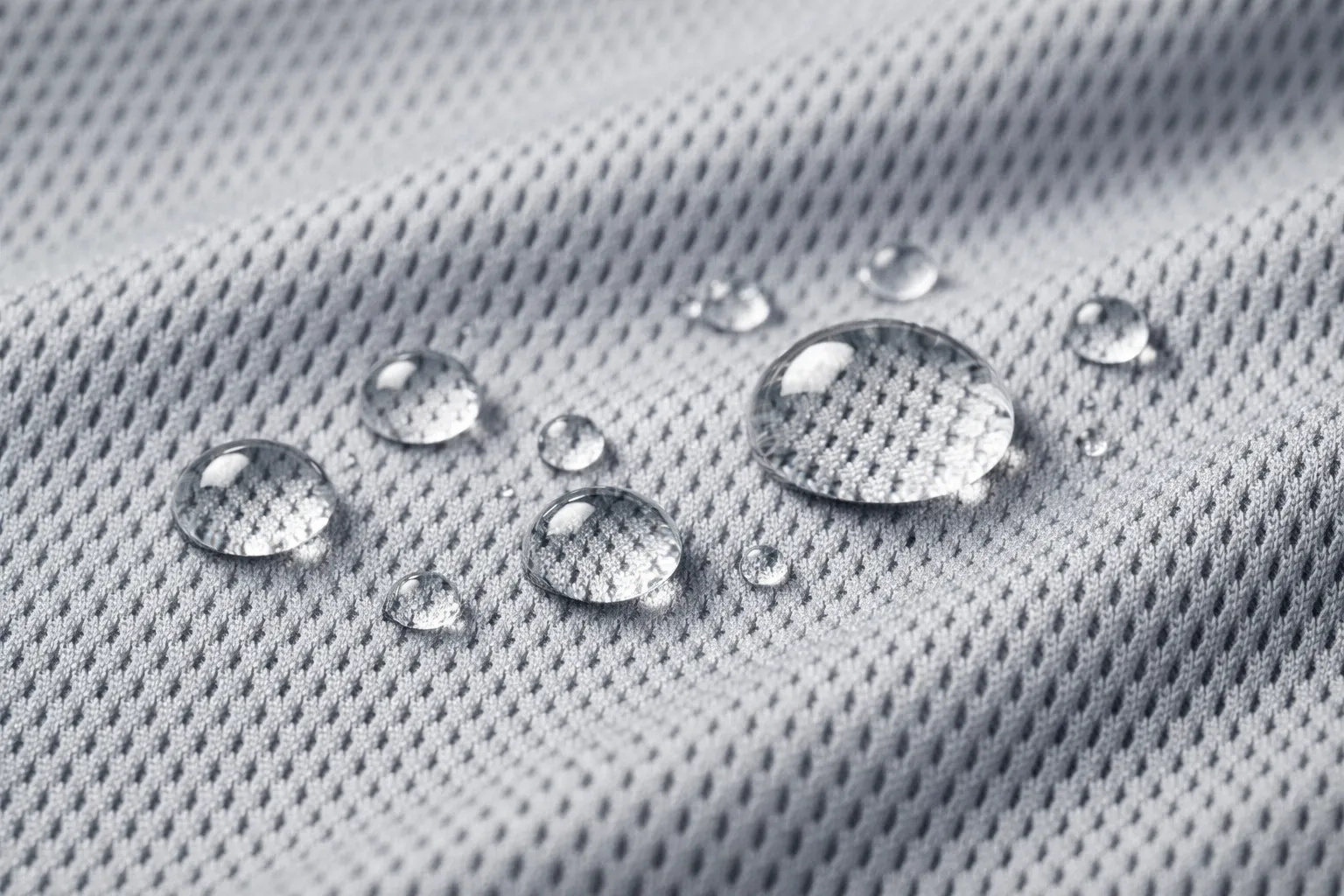
High-performance moisture wicking fabric relies on capillary action to draw moisture away from the athlete’s skin toward the outer face of the garment. Natural fibers like cotton trap perspiration within their cellulose core, creating heavy, clammy apparel during workouts. In contrast, engineered moisture wicking fabric disperses perspiration across a broad surface area for rapid evaporation, keeping gym-goers dry, chafing-free, and energized.
2. Why Polyester Dominates Moisture Wicking Activewear
What Are the Leading Moisture Wicking Fabrics for Gym Clothes?
When brands research leading moisture wicking fabrics for gym clothes?, engineered polyester and polyester-spandex blends consistently rank at the top alongside nylon-elastane knits. Polyester has become the leading fiber in modern gym wear because of its inherent hydrophobic nature—it absorbs less than 0.4% of its weight in water. This allows polyester-based fabrics to outperform traditional textiles in high-intensity gym environments, CrossFit boxes, and running tracks. To see how synthetic fibers compare in compression garments, explore our comprehensive guide on cotton vs nylon vs polyester leggings.
3. What Is Dry Fit Fabric Technology?
Dry fit fabric describes engineered micro-denier polyester knits created to accelerate sweat dispersion. High-grade fabrics utilize dual-knit structures—a soft hydro-repellent inner yarn that lifts moisture off the body and a porous outer surface that speeds atmospheric drying. Always request technical moisture management test sheets (such as AATCC 195) before issuing purchase orders for bulk gym wear production.
4. How to Read Fabric Specifications (GSM & Blends)
Understanding fabric technical sheets allows sportswear brand owners to specify exact performance metrics:
- 130–150 GSM: Ultra-lightweight running singlets, marathon tops, and summer t-shirts.
- 160–185 GSM: Optimal standard for gym t-shirts, training hoodies, and athletic tees.
- 200–240 GSM: Heavyweight compression tops, athletic baselayers, and training shorts. For short patterns and inseams, review our guide to gym shorts lengths.
5. Polyester-Spandex vs Nylon Blends
Polyester-spandex blends balance durability with elastic flexibility:
- 88% Polyester / 12% Spandex – Standard balance for flexible athletic t-shirts.
- 92% Polyester / 8% Spandex – Featherlight construction ideal for running and cardio wear.
- 85% Polyester / 15% Spandex – Enhanced compression fit for powerlifting and muscle support.
For specialized athletic kits with team logos and sponsor graphics, check our expert guide to custom soccer kits.
6. Quick Dry Performance Standards
Quick-dry capabilities are verified through certified laboratory testing:
- AATCC 79: Evaluates fabric water absorbency rate.
- AATCC 195: Tests liquid moisture management and directional drying performance.
- Anti-Odor & Antimicrobial: Silver-ion treatments prevent sweat odor bacteria from bonding with synthetic fibers.
7. Sizing, B2B Sourcing Process, Quotations & International Logistics
When planning custom gym apparel with About Benjima Clothing or exploring our private label sportswear manufacturer services, B2B buyers should align on technical specifications before sampling and bulk production:
- Athletic Sizing & Grading: Share your target market size chart (such as XS through 4XL), fit preferences (athletic drop-tail hems, raglan sleeves), and seam construction requirements like flatlock stitching.
- Tech Pack & Sampling Workflow: Submit reference garments, fabric composition and GSM targets, Pantone colourways, and logo artwork. We review your brief, confirm material availability, and align on pre-production sample approval before bulk manufacturing begins.
- Project-Based Quotations & MOQs: Unit pricing and minimum order quantities depend on the selected fabric blend, GSM weight, decoration method (such as sublimation, screen print, or embroidery), and total order volume—confirmed in writing per quotation.
- International Delivery (USA, UK, Europe): Air express and sea freight shipping options are arranged according to your delivery destination, order volume, and required launch schedule, with transit estimates confirmed upon order confirmation.
8. Frequently Asked Questions (FAQs)
Which fabric is best for gym?
Polyester-spandex and nylon-spandex blends are the best fabrics for gym wear. They offer quick evaporation, four-way stretch, sweat resistance, and shape retention under high-intensity physical training.
What are the best fabric blends for seamless gym wear durability?
A blend of 85% to 90% nylon with 10% to 15% elastane (spandex) offers the highest durability and structural integrity for circular seamless gym wear, resisting runs, tears, and friction pilling.
Is 100% polyester moisture wicking?
Yes, 100% polyester has natural hydrophobic properties that do not retain water, allowing sweat to migrate rapidly to the fabric’s outer surface for fast evaporation.
Is polyester sweat wicking?
Yes, engineered polyester is the world’s most widely used sweat-wicking synthetic fiber due to its low moisture absorption (less than 0.4%) and rapid capillary dispersion channels.
What GSM is best for gym wear?
155–185 GSM is the industry benchmark for gym t-shirts and training tops, balancing durability and breathability.
For bulk orders, custom manufacturing, or wholesale inquiries, contact us at business@benjima.com.
{
“@context”: “https://schema.org”,
“@type”: “FAQPage”,
“mainEntity”: [
{
“@type”: “Question”,
“name”: “Which fabric is best for gym?”,
“acceptedAnswer”: {
“@type”: “Answer”,
“text”: “Polyester-spandex and nylon-spandex blends are the best fabrics for gym wear. They offer quick evaporation, four-way stretch, sweat resistance, and shape retention under high-intensity physical training.”
}
},
{
“@type”: “Question”,
“name”: “What are the best fabric blends for seamless gym wear durability?”,
“acceptedAnswer”: {
“@type”: “Answer”,
“text”: “A blend of 85% to 90% nylon with 10% to 15% elastane (spandex) offers the highest durability and structural integrity for circular seamless gym wear, resisting runs, tears, and friction pilling.”
}
},
{
“@type”: “Question”,
“name”: “Is 100% polyester moisture wicking?”,
“acceptedAnswer”: {
“@type”: “Answer”,
“text”: “Yes, 100% polyester has natural hydrophobic properties that do not retain water, allowing sweat to migrate rapidly to the fabric’s outer surface for fast evaporation.”
}
},
{
“@type”: “Question”,
“name”: “Is polyester sweat wicking?”,
“acceptedAnswer”: {
“@type”: “Answer”,
“text”: “Yes, engineered polyester is the world’s most widely used sweat-wicking synthetic fiber due to its low moisture absorption (less than 0.4%) and rapid capillary dispersion channels.”
}
},
{
“@type”: “Question”,
“name”: “What GSM is best for gym wear?”,
“acceptedAnswer”: {
“@type”: “Answer”,
“text”: “155–185 GSM is the industry benchmark for gym t-shirts and training tops, balancing durability and breathability.”
}
}
]
}