Mission
Make uniforms that hold their shape, colour and fit through the whole contract, not just the first month. A uniform that looks tired by March costs the client twice.

Get in touch
Sales line+92 329 6140058 Emailbusiness@benjima.com OfficeRungpura, Sialkot, Punjab, Pakistan Working hoursMonday to Saturday, 9:00 to 18:00 PKTFollow
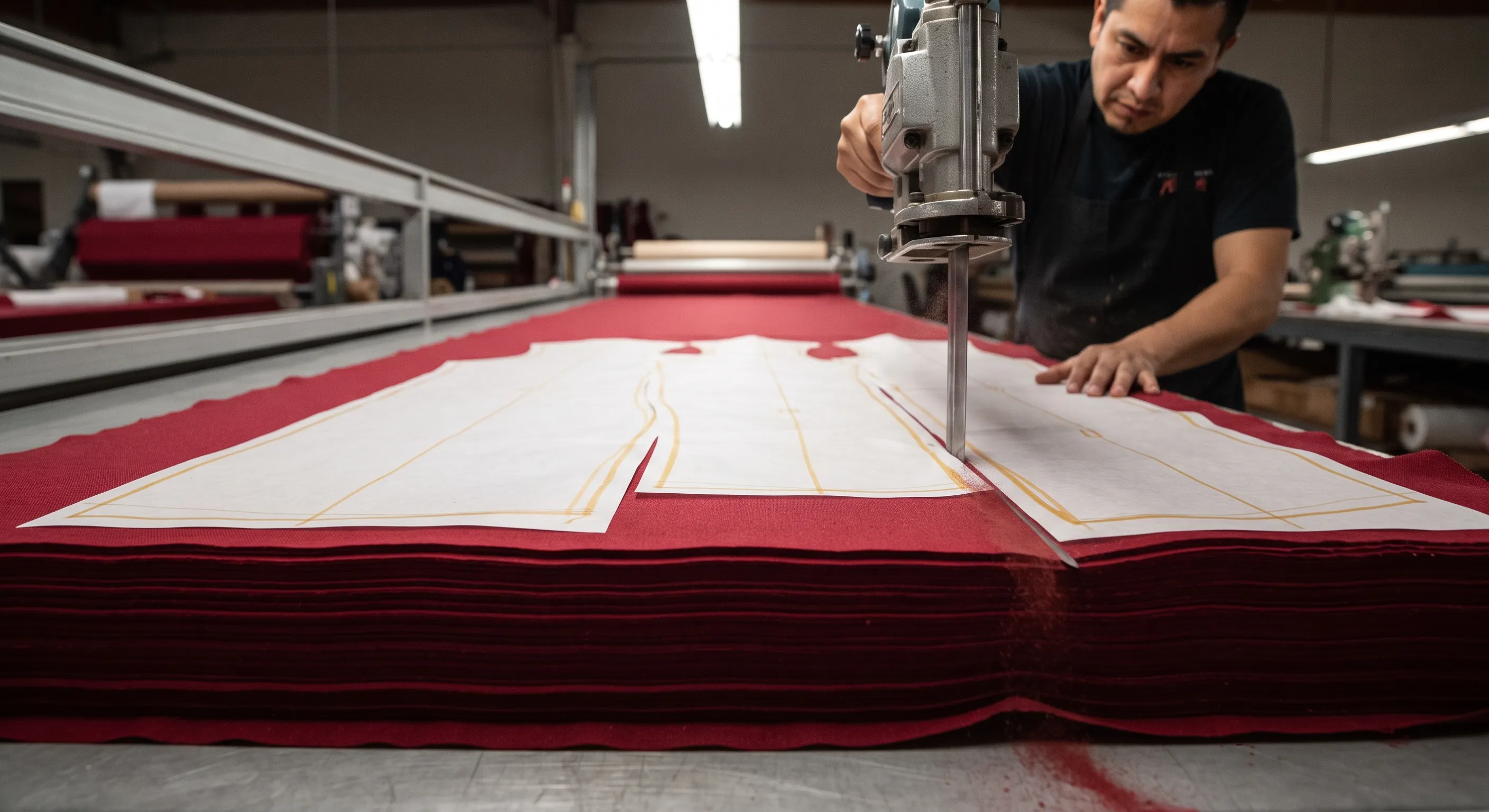
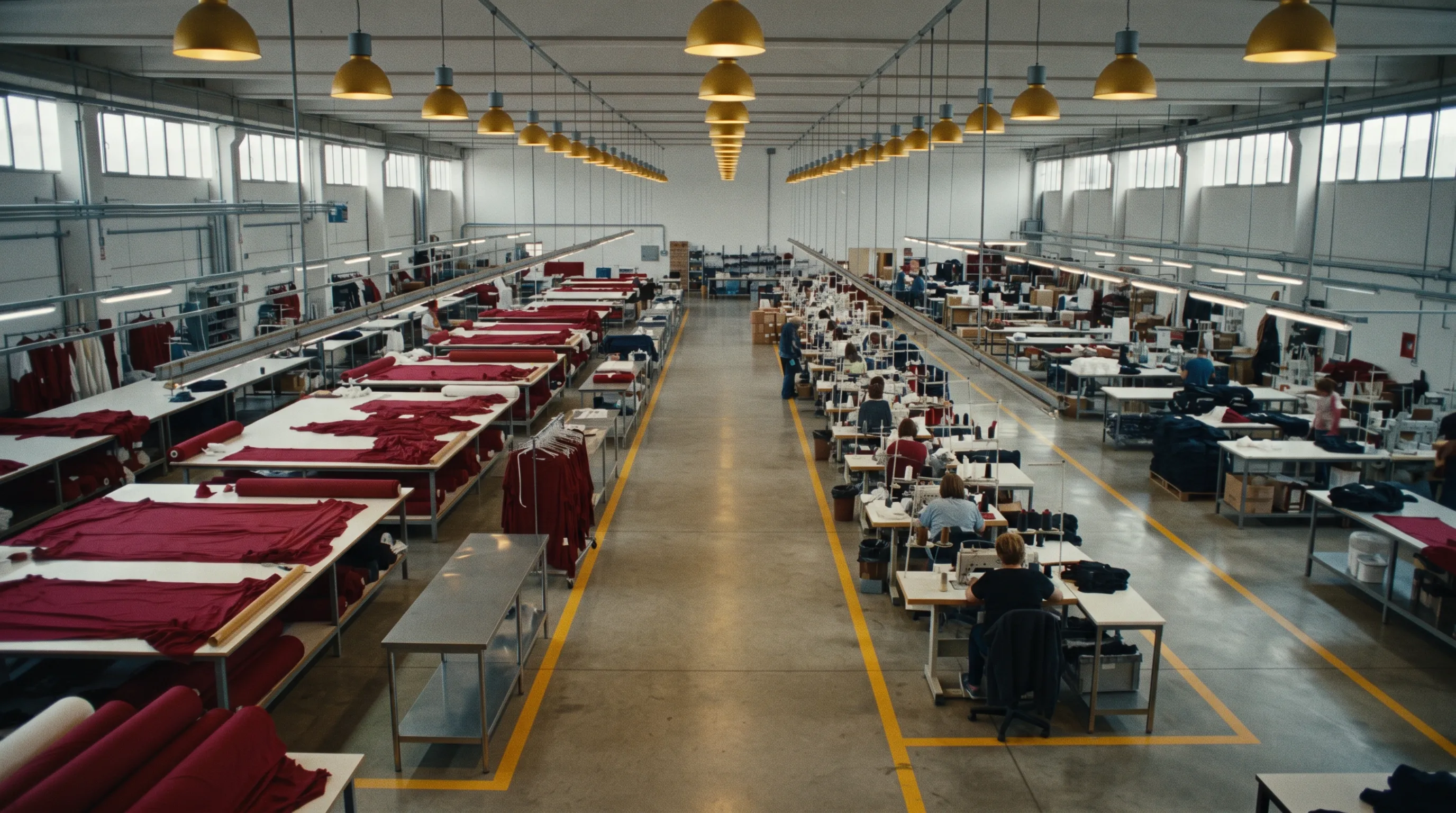
For the first few years we did what most small units do: take the order, cut it, ship it. Then a school came back in year two and the new blazers did not match the old ones. Nobody could say why, because the fabric had come from a different lot and nothing had been recorded.
That one complaint changed how the business runs. We started keeping physical shade standards, then graded patterns, then in-line inspection, then the whole finishing chain in-house so no stage happened somewhere we could not see it.
Every system on this floor exists because something went wrong once and we did not want it to go wrong twice.
Opened as a contract stitching unit producing school shirts for three local schools. No pattern room, no inspection table, no colour records.
After a reorder failed to match, every colour we run started being lab dipped and kept as a physical standard. It is still the single most useful thing we do.
Multi head machines installed. Logo lead times dropped from ten days to two, and branding stopped being the part of the order we could not control.
Our own block library, graded XS to 5XL with ladies and youth fits, tested on live models rather than a size chart bought off a supplier.
A hotel group across four countries, 18,000 garments, one colour standard. That contract taught us how export documentation and consolidated shipping actually work.
Wide format transfer printing and heat press brought teamwear onto the same floor, so custom uniforms sublimation and tailoring could ship in one carton.
Marker planning pushed fabric utilisation above 88 percent, and a dedicated inspection room replaced checking garments on the packing bench.
Make uniforms that hold their shape, colour and fit through the whole contract, not just the first month. A uniform that looks tired by March costs the client twice.
To be the manufacturing partner brands keep, run after run, in every market they enter. Growth here is measured in reorders, not in new logos.
Saying no. If a fabric will not survive your laundry cycle, or a date is not achievable, we say so at quote stage. A lost order costs less than a failed contract.
These are not posters on a wall. Each one exists because breaking it cost us something once.
The date our own line can hit, not the date you want to hear. A supplier who always says yes is a supplier who will eventually say sorry.
Bulk is cut after a signed pre production sample. No substitutions mid run, even if a similar cloth would be faster.
A fault found at inspection goes back to the line. It does not ship with a note attached hoping nobody notices.
Pattern, grading, shade standard and artwork stay on file. Your year three order is built from your year one data.
The same person from quote to delivery. No ticket queues, no handover where the context gets lost.
If a shipment will slip, the client hears it the day we know, not the week it was due. A delay you can plan around is not a crisis.
Not a stock photo of a boardroom. These four handle the majority of client contact, and one of them will own your programme from quote to delivery.

Started on the cutting table in 2001. Still signs off every fabric substitution personally.

Turns a sketch or a worn out garment into a graded pattern. Runs the sample room.

Schedules the four lines. If a date is achievable, it is because he said it was.

Runs the AQL 2.5 audit. Has the authority to stop a shipment, and uses it.
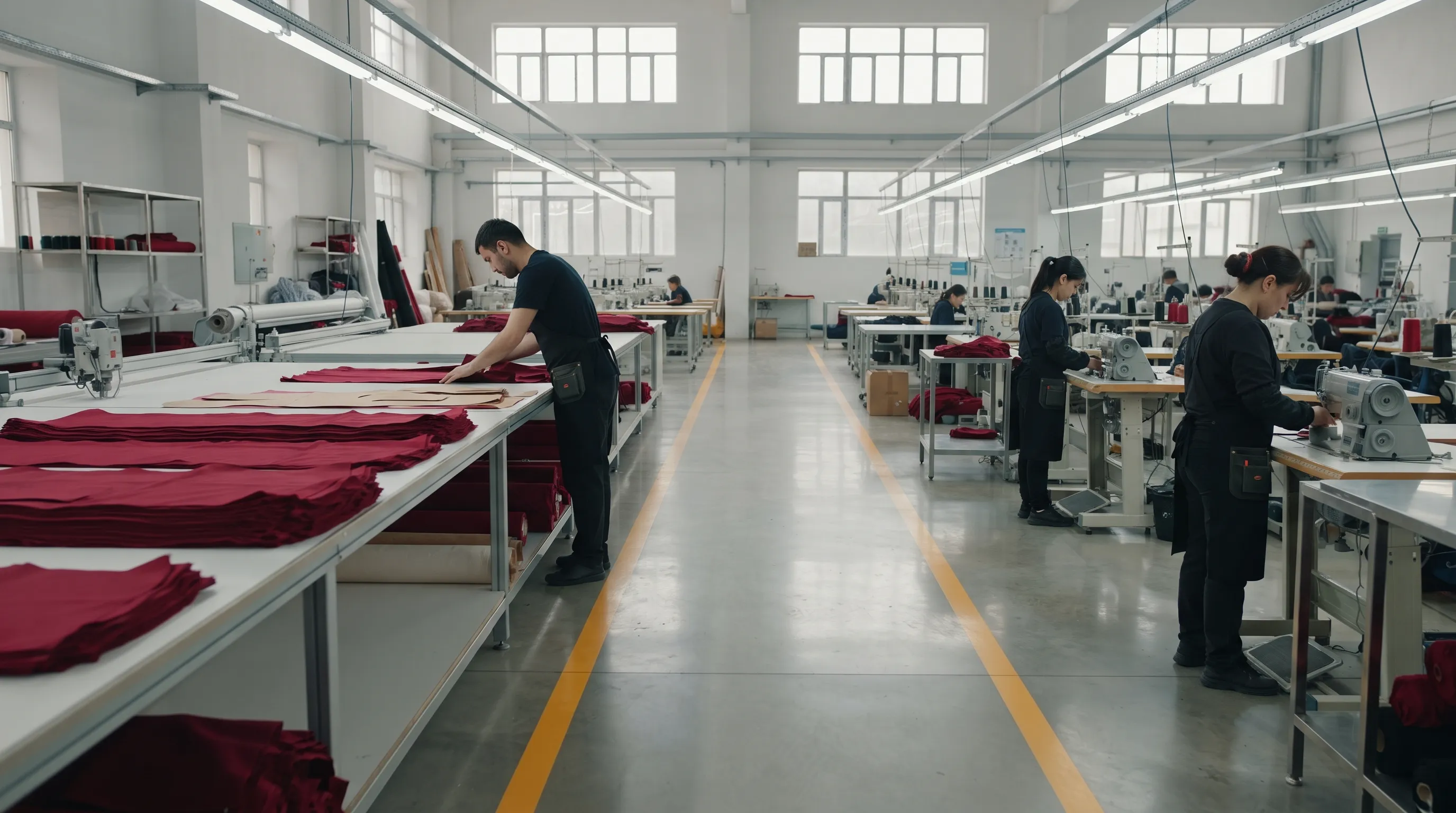
You are welcome on the floor during a normal production day, not a scheduled showcase. If travel is not practical we run a live video walk through with the production manager answering questions as they come.
Tell us the garment, the quantity and the date. That is enough for a costing.
We reply within one working day. No mailing list.
A written quote will reach you within one working day.