Skip to content
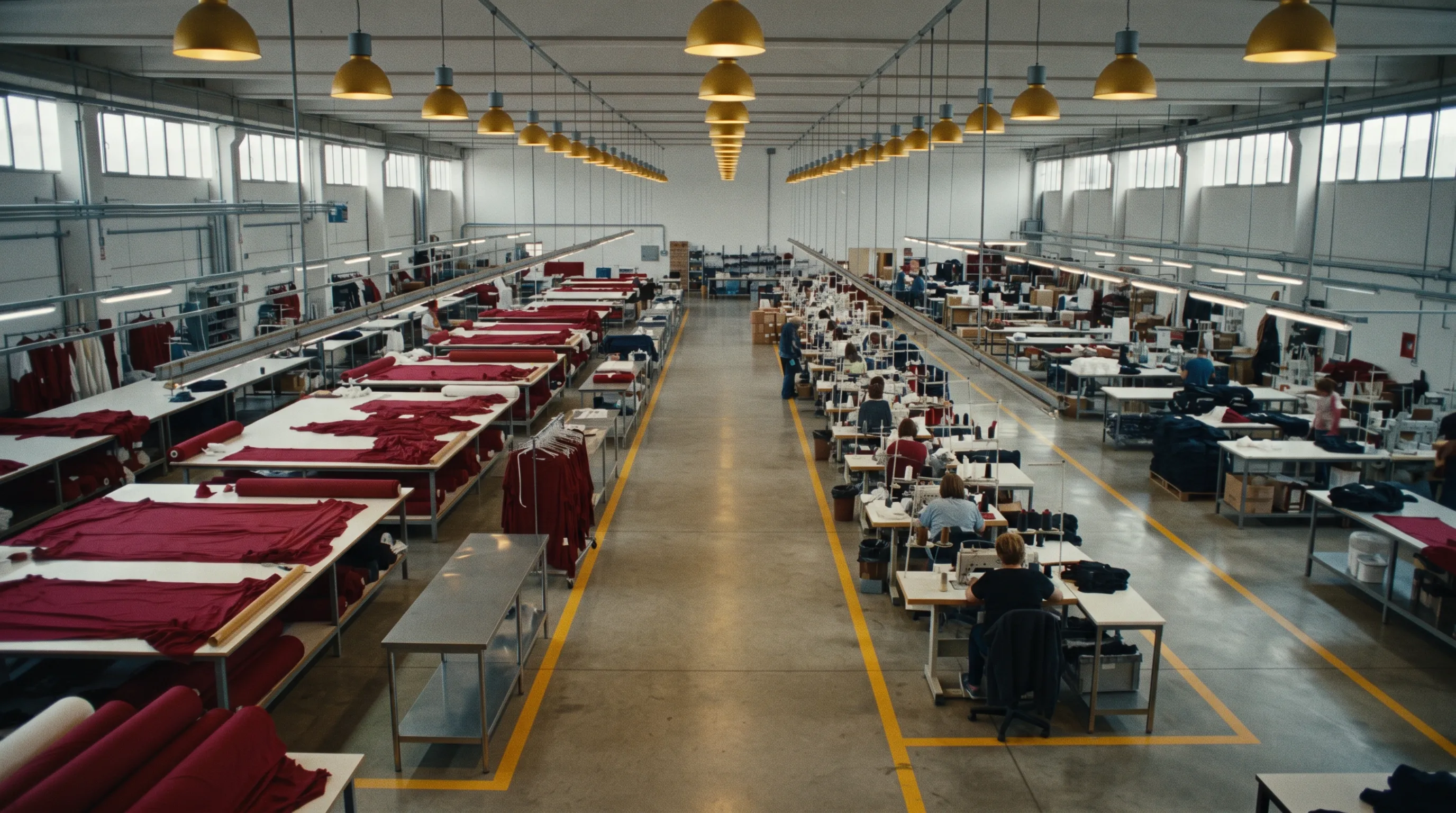
Uniform manufacturing floor with cutting tables and stitching lines
Inside the building

Uniform manufacturing with nothing subcontracted out.

Pattern room, cutting floor, four stitching lines, embroidery, sublimation, inspection and packing all sit in the same building. That is the whole point: when every stage is under one roof, a fault gets fixed on our floor instead of on your staff.

60,000Pieces per month
4 linesStitching capacity
88%Fabric utilisation
AQL 2.5Every carton audited
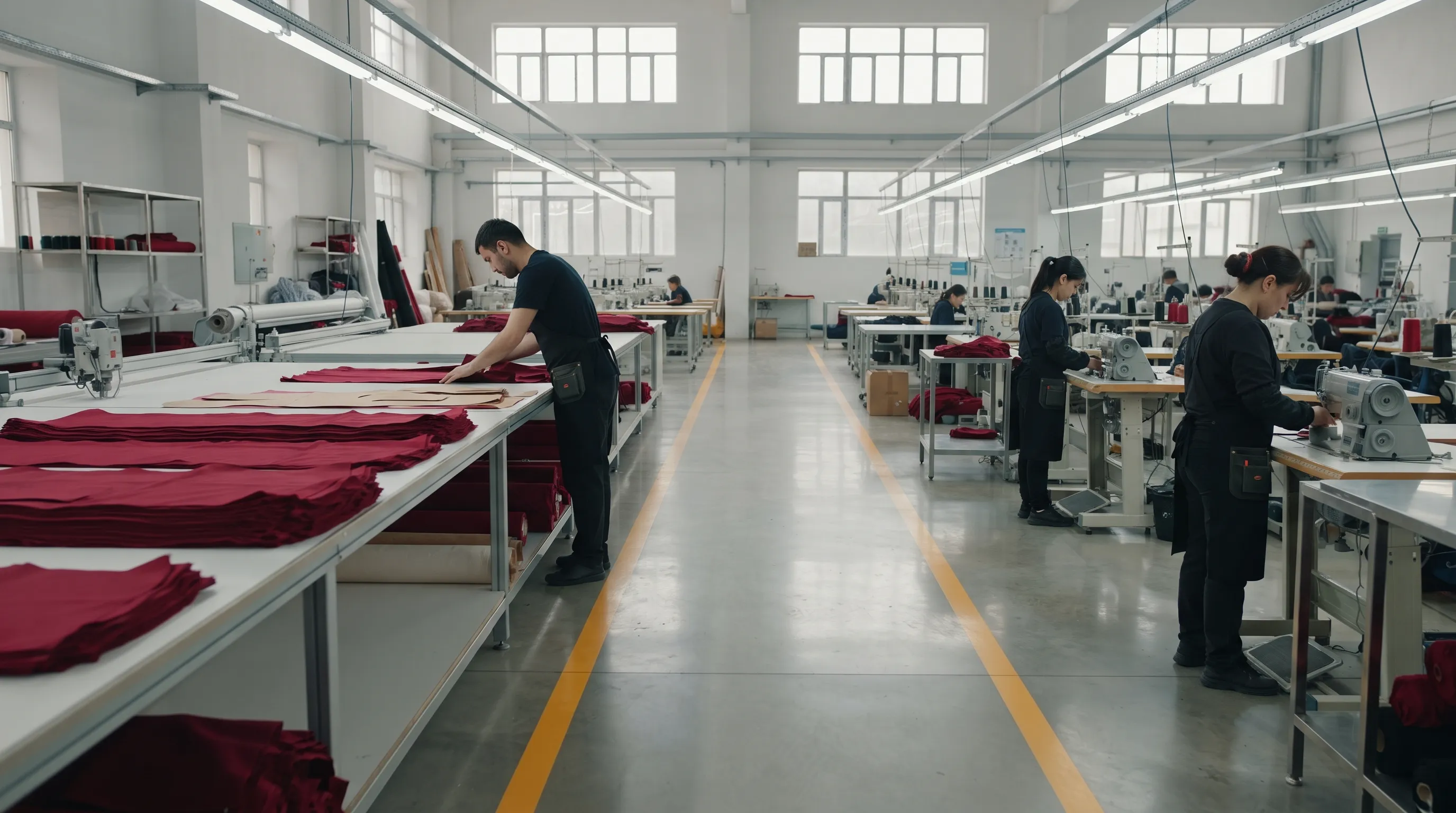
Cutting room with layered fabric on the cutting table
1M+Garments produced
One roof, one standard

Why in-house matters more than it sounds.

Most uniform suppliers are traders. They take your order, place it with a factory you never see, and re-label whatever comes back. When a shade drifts or a seam fails, nobody on their side can explain why, because nobody on their side was there.

We started in 2001 with twelve machines in one room. Everything since has been added to that same floor rather than pushed out to someone else.

  • One accountable team. The person who signs off your sample is in the same building as the line that cuts it.
  • Faults caught early. In-line checks every fifth bundle, not one audit after the whole run is finished.
  • Real lead times. We quote the date our own floor can hit, not the date a third party promised us.
  • Your records stay here. Pattern, grading, shade standard and artwork are on file for the next run.
Capacity

What the floor can actually take on.

These are working numbers, not brochure numbers. If your order does not fit inside them we will tell you at quote stage rather than at week four.

60kPieces per month
4Stitching lines
120Machine operators
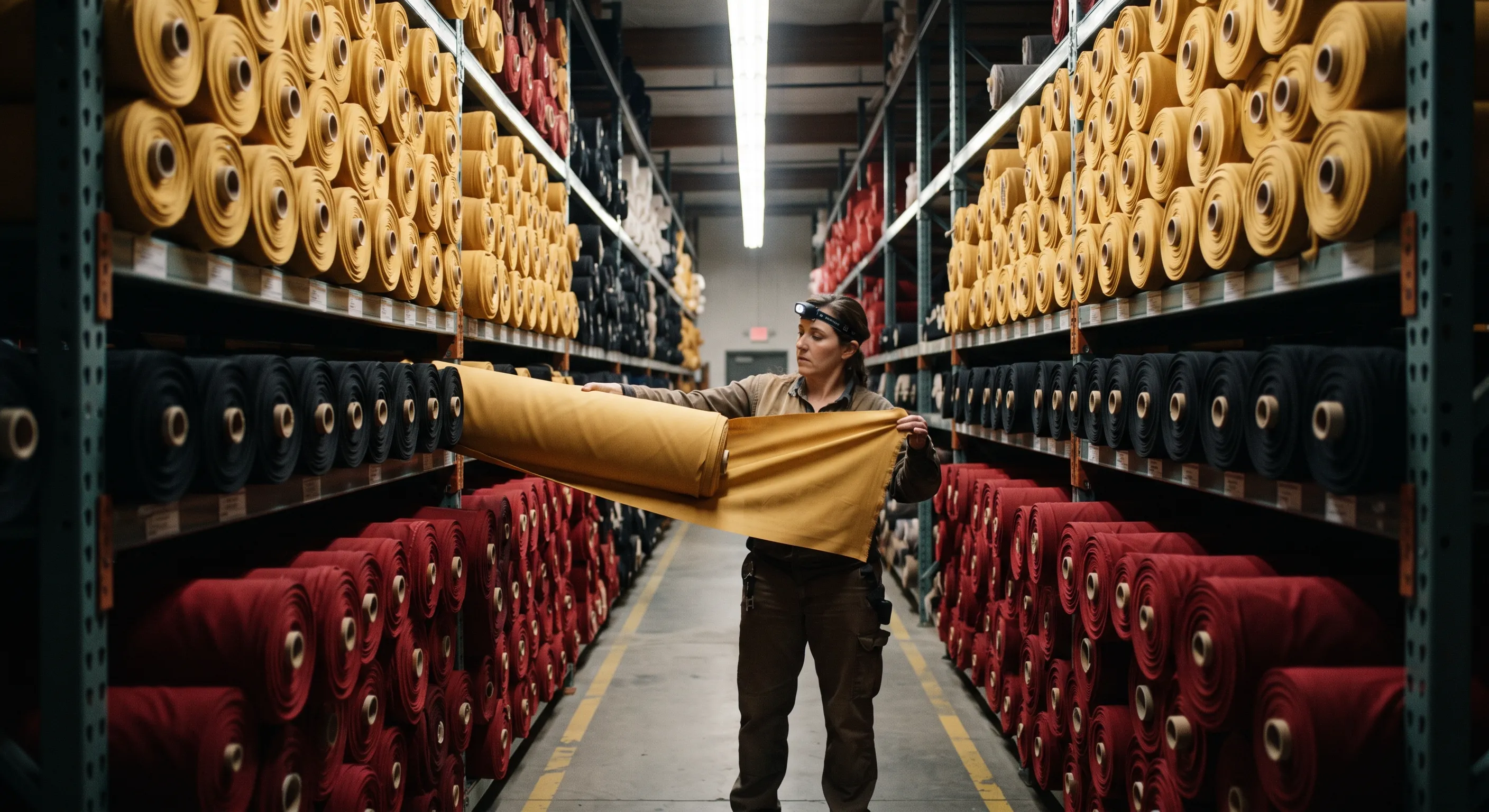
8Base fabrics in stock
Department Equipment Daily output
Pattern and gradingCAD marker planning, digital grading to 5XL6 to 8 new styles
CuttingStraight knife and band knife, 60 ply lay4,000 pieces
StitchingLockstitch, overlock, flatlock, bar tack, buttonhole2,400 pieces
EmbroideryMulti head machines, digitised in house3,000 placements
Sublimation and printWide format transfer print, roll and flat heat press1,200 panels
Inspection and packingLight tables, measurement gauges, carton marking3,500 pieces
On the floor

Eight stages, and the gate each one has to pass.

A garment passes through eight hands before it reaches yours. Each stage has a sign off that has to clear before the work moves forward, and each one leaves a record against your style number.

Stage one, uniform design and tech pack
STAGE 01

Design

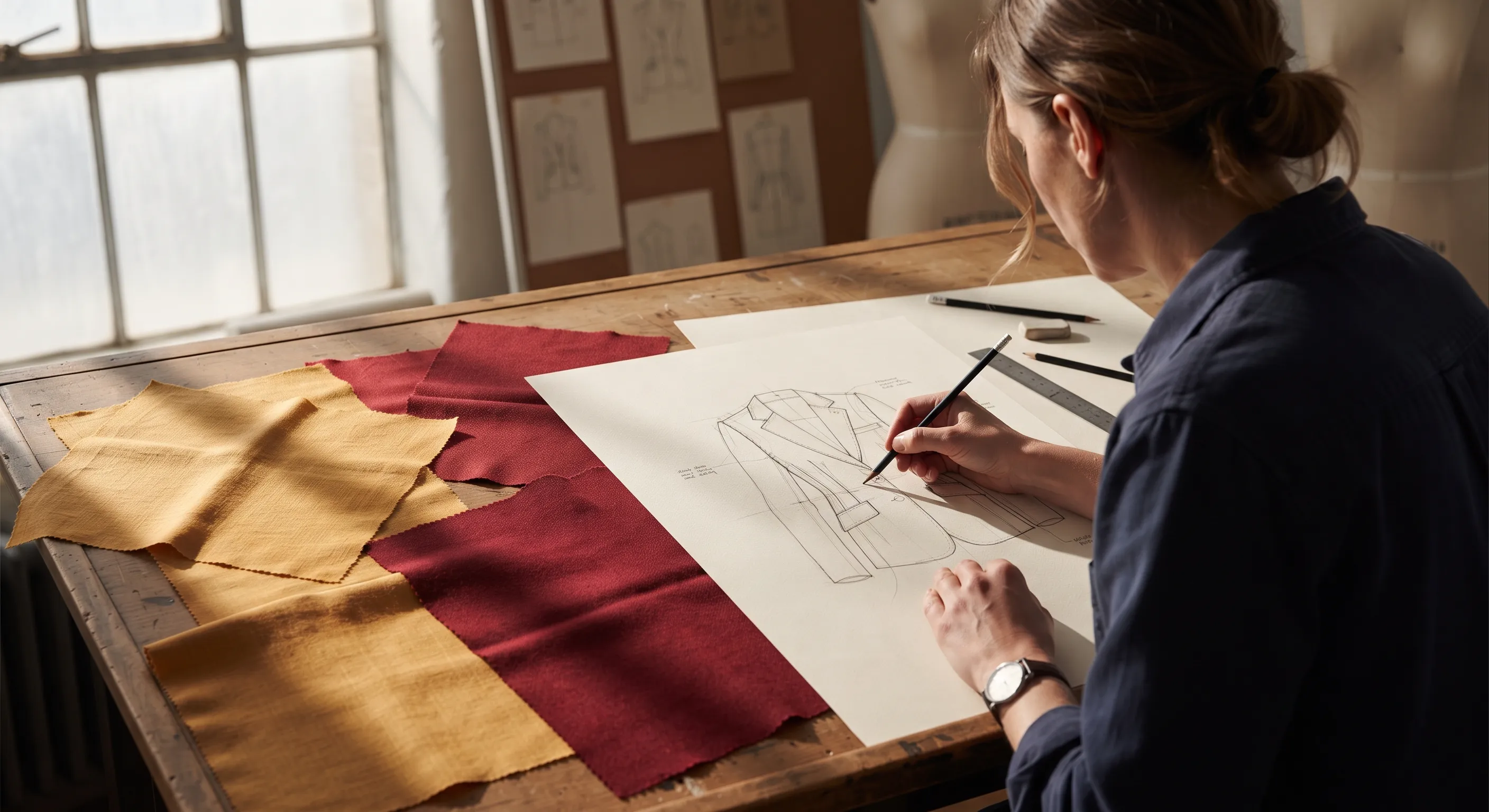
Your brief becomes a spec sheet with measurements, trims, stitch types and placement.

Gate: spec sheet signed
Stage two, fabric sourcing and testing
STAGE 02

Fabric

Cloth sourced or dyed to your shade, then tested for shrinkage, pilling and colour fastness.

Gate: lab dip approved
Stage three, marker planning and cutting
STAGE 03

Cutting

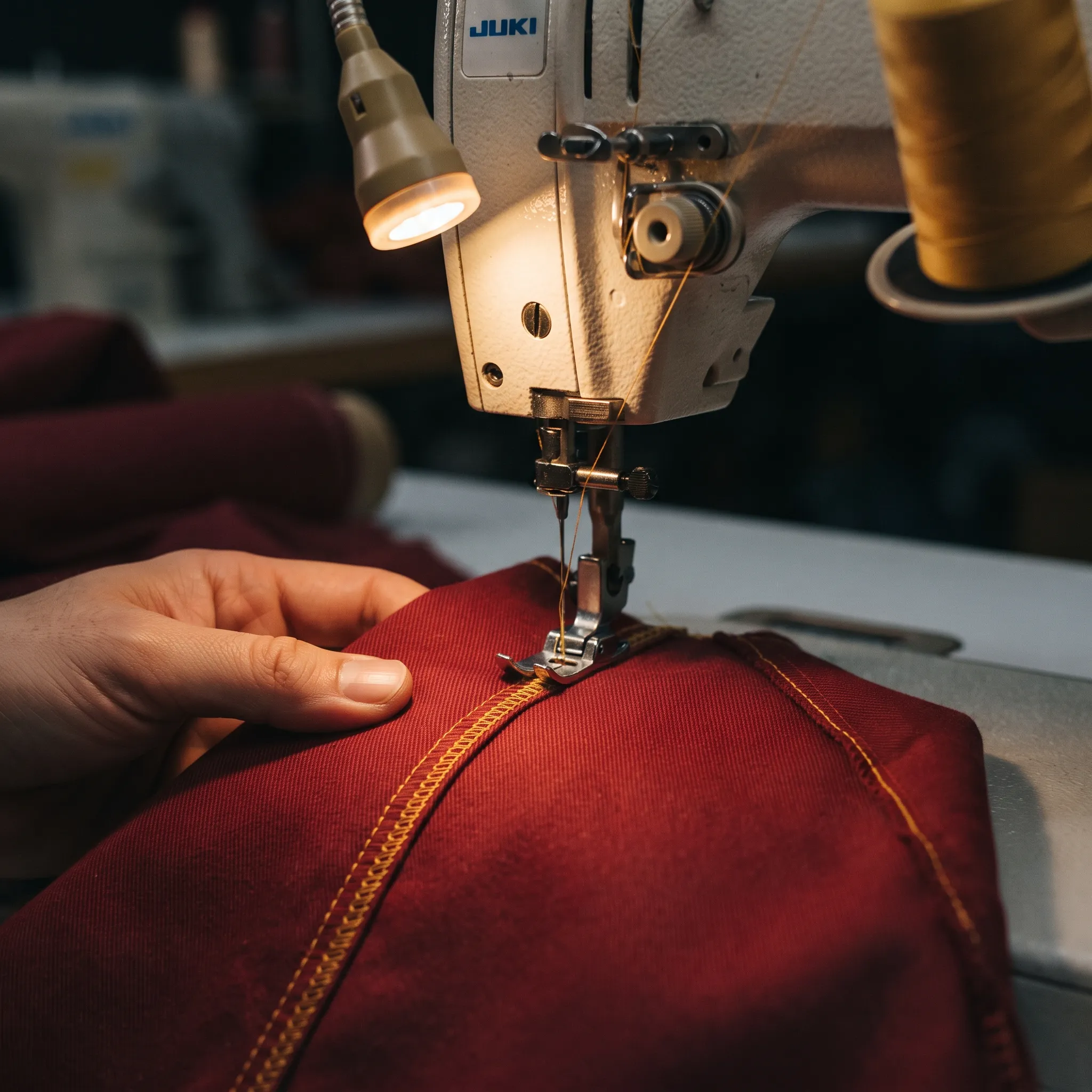
CAD marker laid for minimum waste, then cut in lay and bundled by size.
Gate: panel measurements
Stage four, stitching line assembly
STAGE 04

Stitching

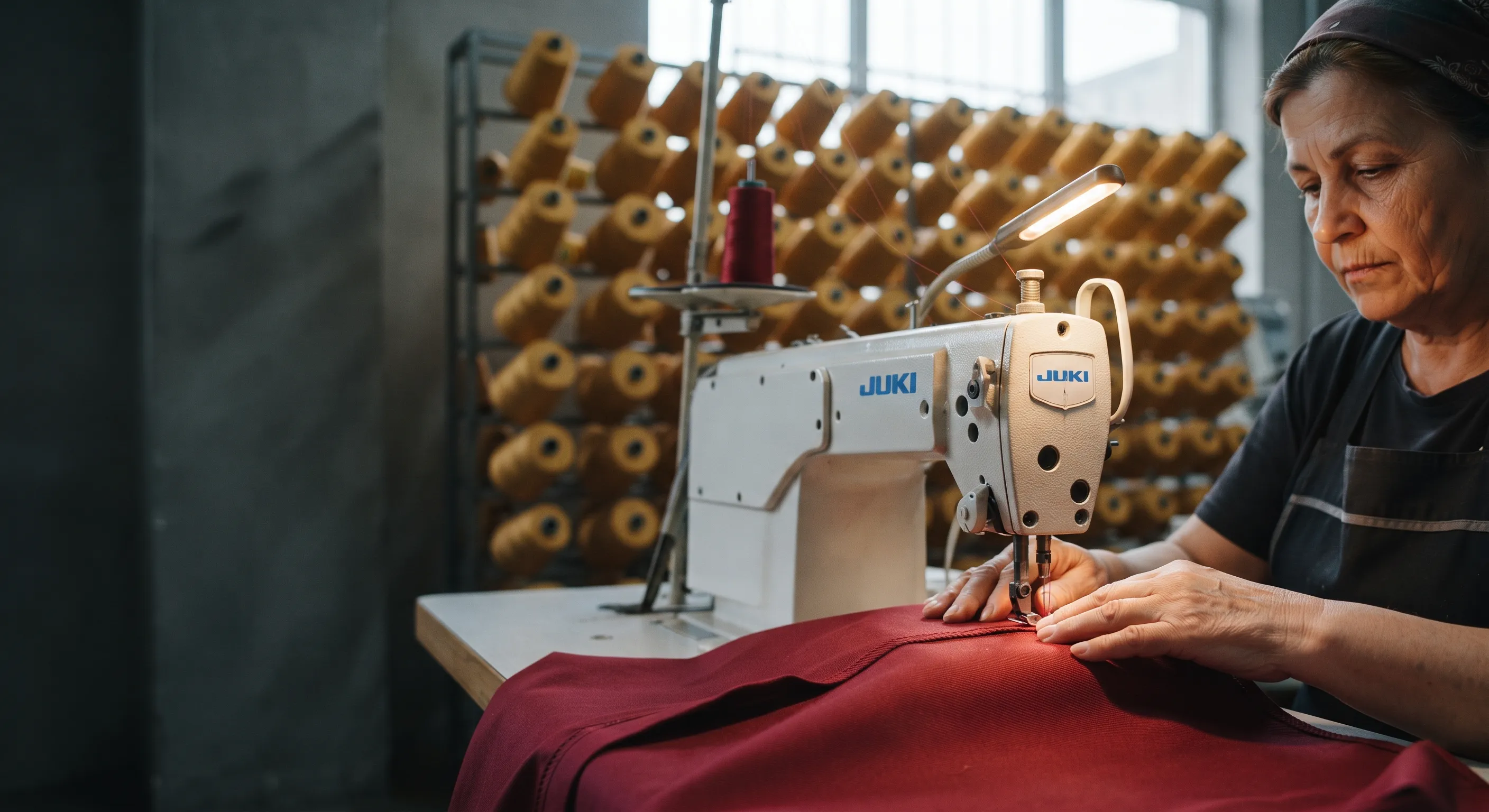
Line balanced by operation, bar tacks at every stress point, checks every fifth bundle.
Gate: in-line seam audit
Stage five, embroidery and sublimation branding
STAGE 05

Branding

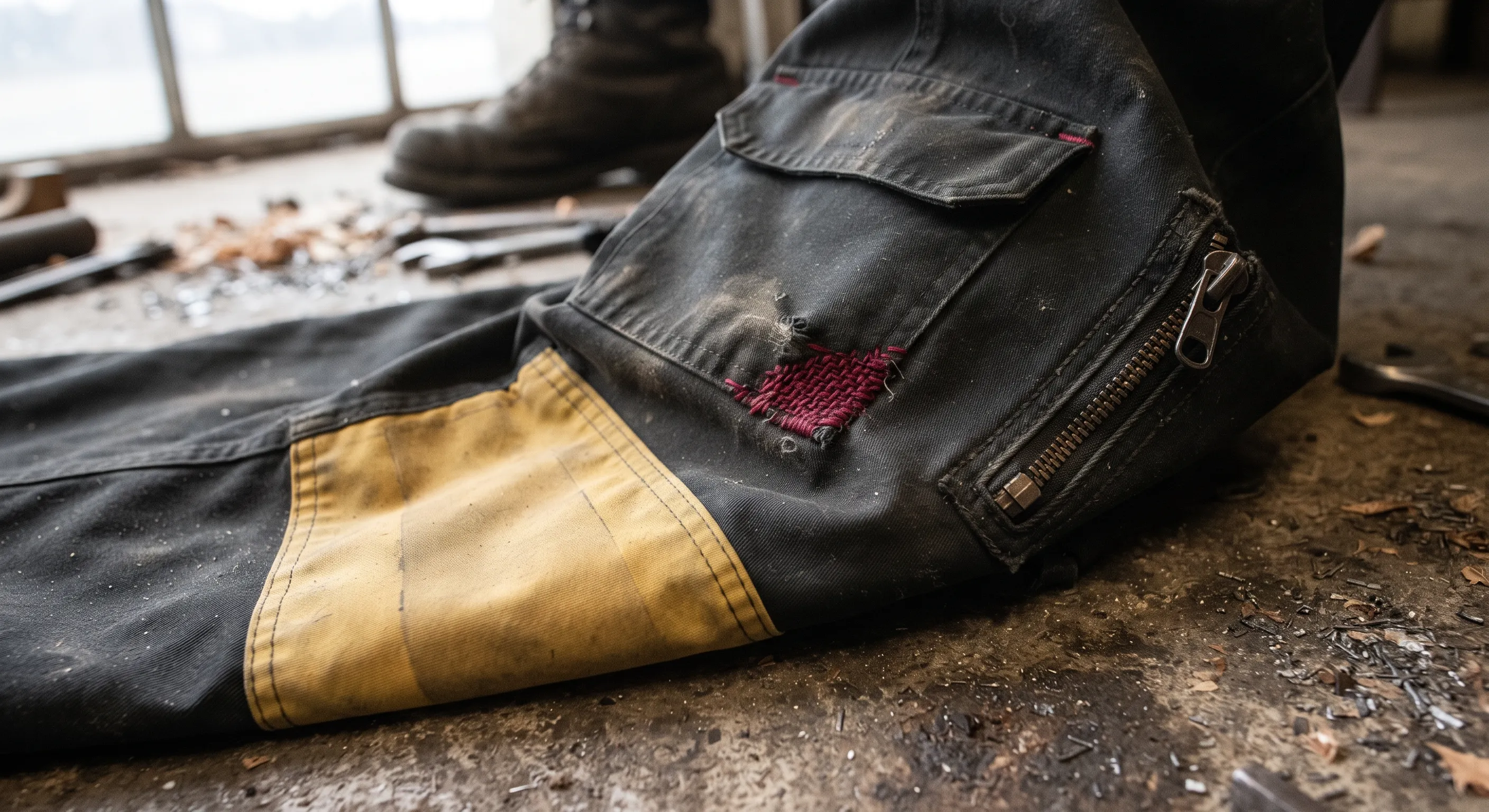
Embroidery, screen print or sublimation applied to the approved placement and size.
Gate: sew out approved
Stage six, AQL 2.5 quality inspection
STAGE 06

Quality

AQL 2.5 inspection on measurements, seams, shade and trims against the signed spec.
Gate: carton audit passed
Stage seven, sorting and carton packing
STAGE 07

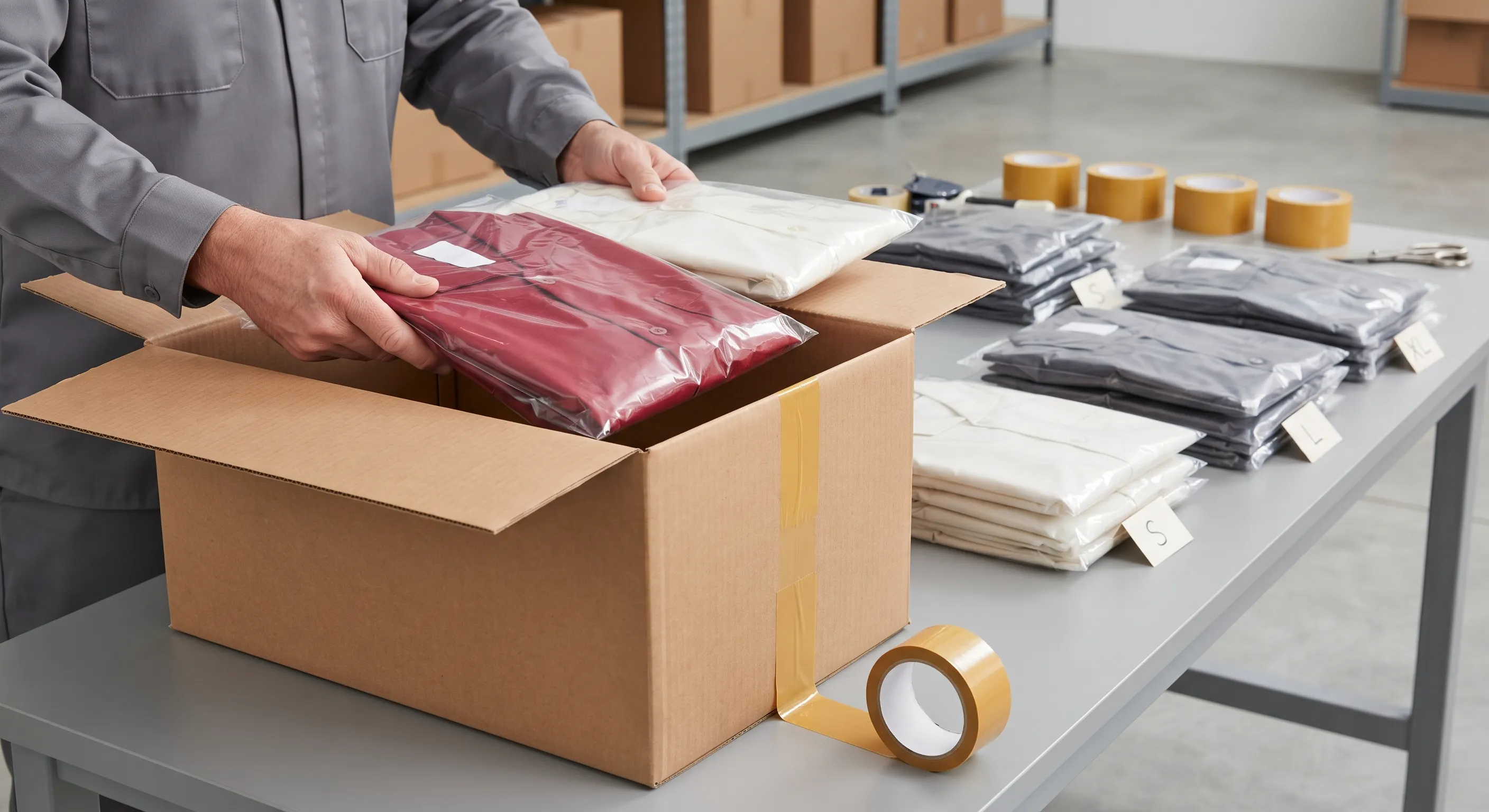
Packing

Pressed, poly bagged and sorted by size and site, with carton marking to your list.
Gate: packing list matched
Stage eight, export documentation and dispatch
STAGE 08

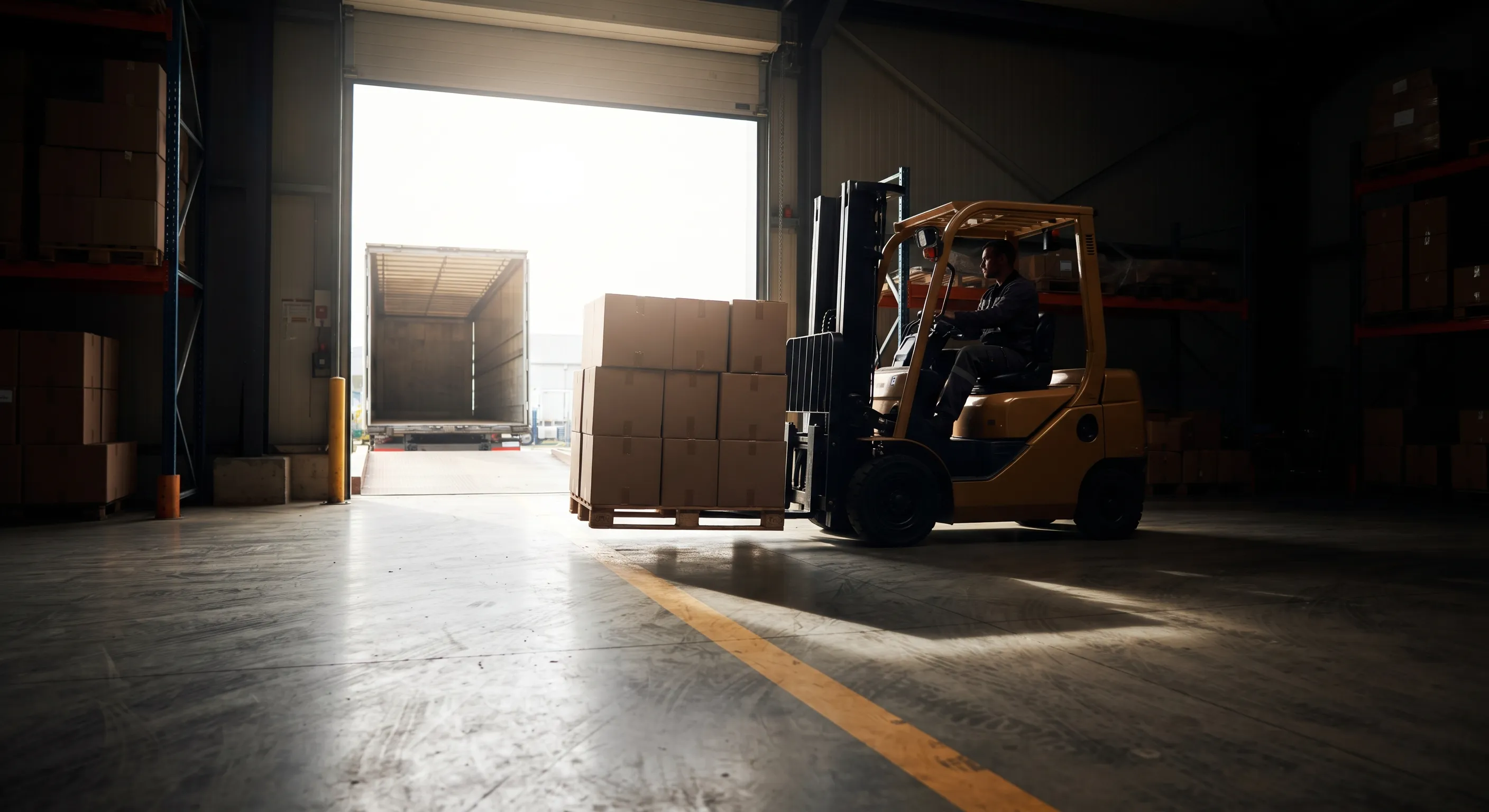
Delivery

Export documents, consolidated shipping and a tracked dispatch date by air or sea.

Gate: documents released
Quality control

What AQL 2.5 means when your shipment is inspected.

Most suppliers write AQL 2.5 on a quote without saying what they check. Here is exactly what happens before a carton is sealed.

Measurement

Chest, waist, sleeve, length and shoulder measured against the approved spec with a tolerance written into the sheet. A garment outside tolerance is pulled, not passed with a note.

Construction

Seams checked for skipped stitches, puckering and open ends. Bar tacks, buttonholes, zips and interlining checked on every sampled piece.

Shade

Every piece compared against the physical shade standard under controlled light, not a screen. Panels within a garment are checked against each other as well.

Branding lines

Three ways your mark goes on, all of them ours.

Branding is where most uniform orders go wrong, because it is usually the part sent to an outside workshop. All three of ours run on this floor.

Embroidered emblem on a uniform chest
Multi head machines

Embroidery

Best for cotton rich uniforms and small chest marks. Digitised once, then repeated identically on every run and every reorder.

3,000Per day
2 daysDigitising
Heat press bonding sublimation ink into performance knit
Transfer print and heat press

Sublimation

Panels printed before assembly, so the design runs edge to edge across seams. Colour bonds inside the fibre and cannot crack or peel.

1,200Panels per day
12 pcsMinimum
Screen printing a uniform garment
Screen, heat seal, woven labels

Print and labels

Screen print for flat spot colour at volume, heat seal for reflective and small runs, plus woven neck labels and care labels to your artwork.

2,000Per day
6 coloursMax per screen
The facility

One walk through the floor, start to finish.

From the fabric store to the loading bay, filmed on a normal production day. No stock footage and no voiceover actor.

The Benjima factory floor Fabric store to loading bay
4Stitching lines
60kPieces per month
1Building, start to finish
Standards

Audited, certified, documented.

ISO 9001:2015Quality management system, audited annually.
OEKO-TEX Standard 100Tested for harmful substances. Matters for schools and clinics.
AQL 2.5 inspectionEvery shipment audited, report travels with the cartons.
Export compliantFull documentation, carton marking and consolidated shipping.
Before you ask

What buyers ask about the factory.

Do you actually own the factory or do you subcontract?
We own and run it. Pattern, cutting, stitching, embroidery, sublimation, inspection and packing are all on the same floor. Nothing is placed with an outside unit and re-labelled, and you are welcome to visit or ask for a live video walk through before you commit.
Can I audit or visit the factory?
Yes. Contract clients are welcome on site, and we host third party audits on request. If travel is not practical we run a live walk through on video with the production manager answering questions in real time.
What happens if a batch fails inspection?
It does not ship. The batch goes back to the line, the fault is corrected and the carton is re-audited. You get told about it either way, because a delay you know about is cheaper than a delivery you cannot use.
How much notice do you need for a large order?
For anything above 5,000 pieces we ask for two weeks of notice so the line can be scheduled around existing contracts. Below that, sampling starts the week the spec is signed.
Do you hold fabric between orders?
For contract clients, yes. We hold your cloth and an agreed size buffer, so top ups for new starters usually dispatch within 72 hours instead of running a full cycle again.