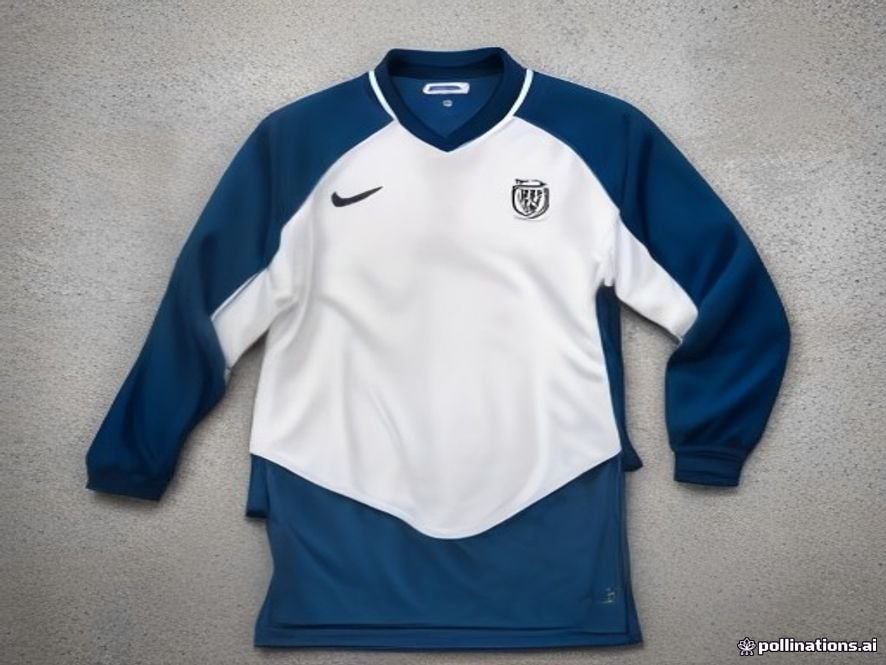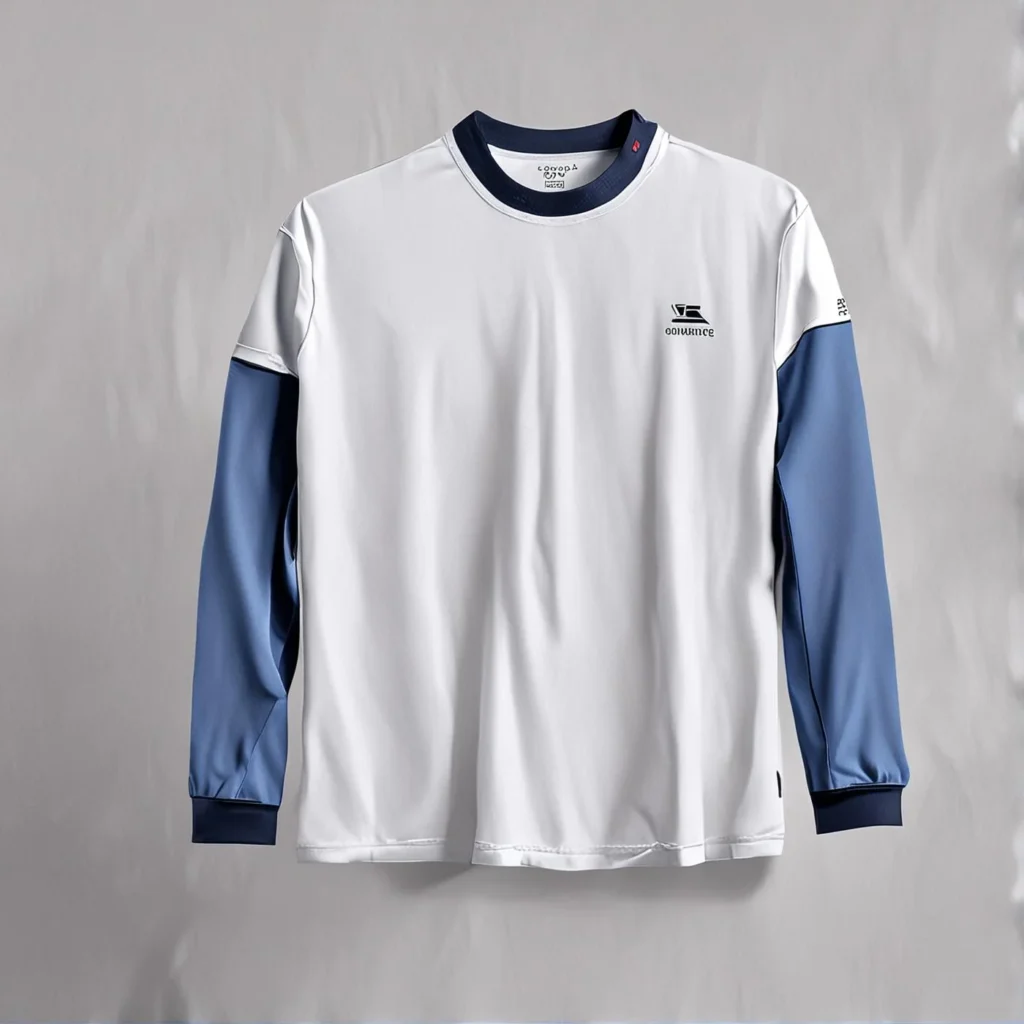
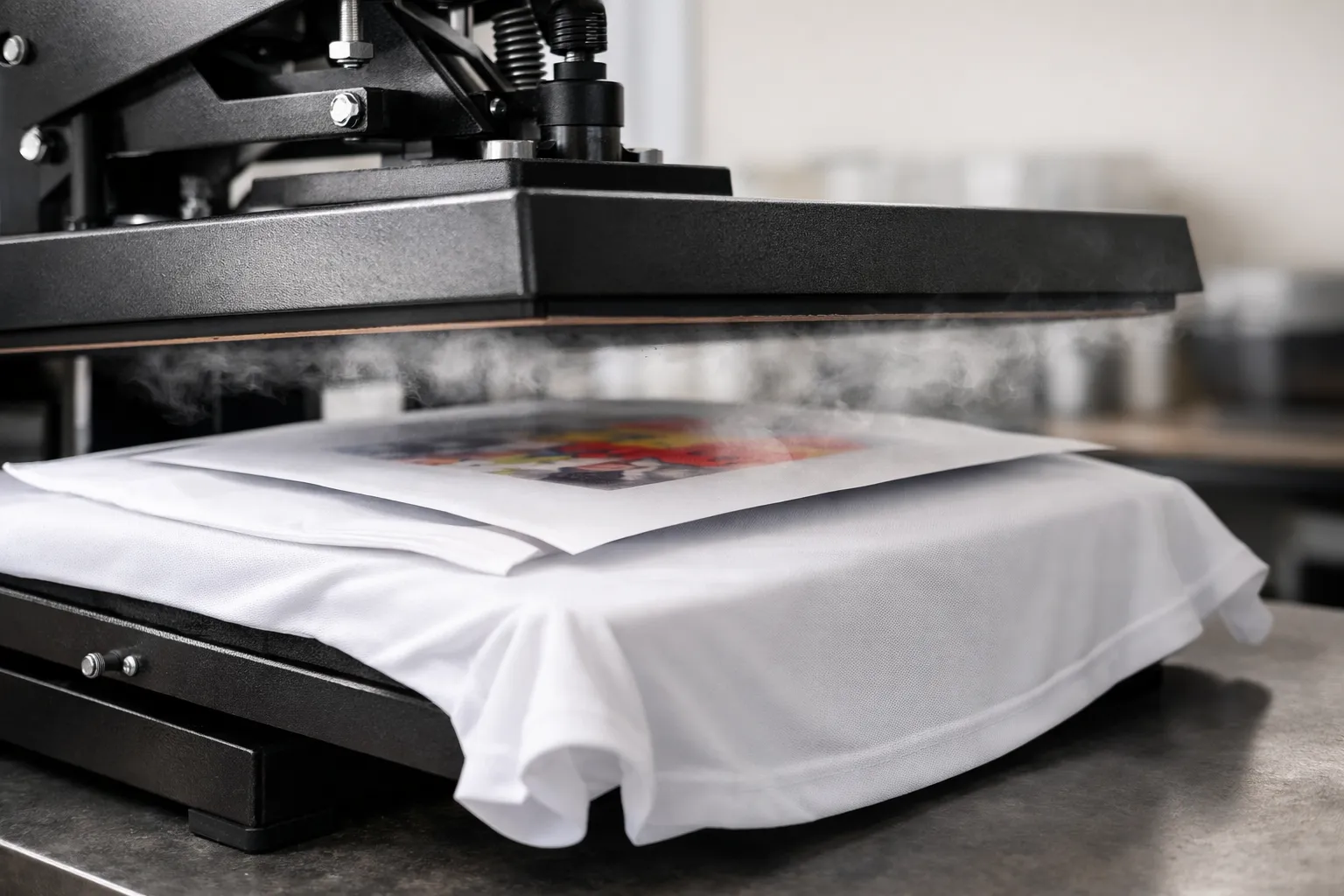
Sublimation printing gym shirts are one of the most popular choices in modern activewear. Known for vibrant, long-lasting designs, sublimation allows full customization across the entire garment. This guide explains how sublimation works, its benefits, fabric requirements, and how to order in bulk.
1. What All-Over Printing Means
All-over printing allows designs to cover the entire shirt without limitations.
- Full Coverage: From collar to hem with no blank areas.
- Creative Freedom: Gradients, patterns, and detailed graphics.
- Strong Branding: Unique visual identity for your brand.
This makes sublimation ideal for brands that want to stand out.
2. Sublimation vs Screen Printing
Understanding the difference helps buyers choose the right method.
- Sublimation: Best for full-color designs on polyester, no fading or cracking.
- Screen Printing: Better for simple designs and large volume orders.
- Durability: Sublimation lasts longer as ink becomes part of fabric.
For activewear, sublimation is usually the superior option.
3. What Makes Sublimation Truly Custom
Custom sublimation gives full control over product design.
- Design applied before cutting and sewing.
- No template limitations.
- Unique product exclusive to your brand.
This level of customization is ideal for serious fitness brands.
4. Choosing the Right Manufacturer
Your supplier determines your product quality.
- Check printer quality (DPI resolution).
- Ask about ink and color consistency.
- Request samples before bulk orders.
A professional manufacturer ensures consistent results.
5. Bulk Ordering Process
Bulk ordering requires proper preparation.
- Submit high-resolution artwork (150 DPI minimum).
- Approve strike-off sample before production.
- Production time: 25–45 days.
Always review samples carefully before approval.
6. Why Sialkot Is a Sublimation Hub
Sialkot is one of the leading cities for sublimation manufacturing.
- Advanced printing technology.
- Experienced workforce.
- Strong export capabilities.
It offers high-quality products at competitive prices.
7. Fabric Requirements for Sublimation
Fabric choice is critical for sublimation success.
- 100% Polyester: Best results with vibrant colors.
- Minimum 80% Polyester: Acceptable quality.
- Cotton: Not suitable (faded results).
Always confirm fabric composition before ordering.
8. Placing Your First Order
Prepare everything before placing your order.
- Artwork file (vector or high-resolution).
- Size chart and quantity breakdown.
- Pantone color codes for accuracy.
- Shipping details and deadlines.
Clear communication reduces errors and delays.
9. Understanding MOQ
Minimum Order Quantity varies by supplier.
- Small orders: 20–50 pieces.
- Standard MOQ: 100–200 pieces.
- Large factories: 300+ pieces.
Higher quantities reduce cost per unit.
10. Frequently Asked Questions (FAQs)
What is sublimation printing?
It is a process where ink becomes part of the fabric using heat and pressure.
Is sublimation better than screen printing?
For complex designs and activewear, sublimation is more durable and visually superior.
Can sublimation be done on cotton?
No, sublimation works best on polyester fabrics.
How long does sublimation printing last?
It lasts as long as the garment without fading or cracking.
What is the MOQ for sublimation shirts?
MOQ ranges from 20 to 300 pieces depending on the manufacturer.
For bulk orders or custom manufacturing inquiries, contact us at
business@benjima.com