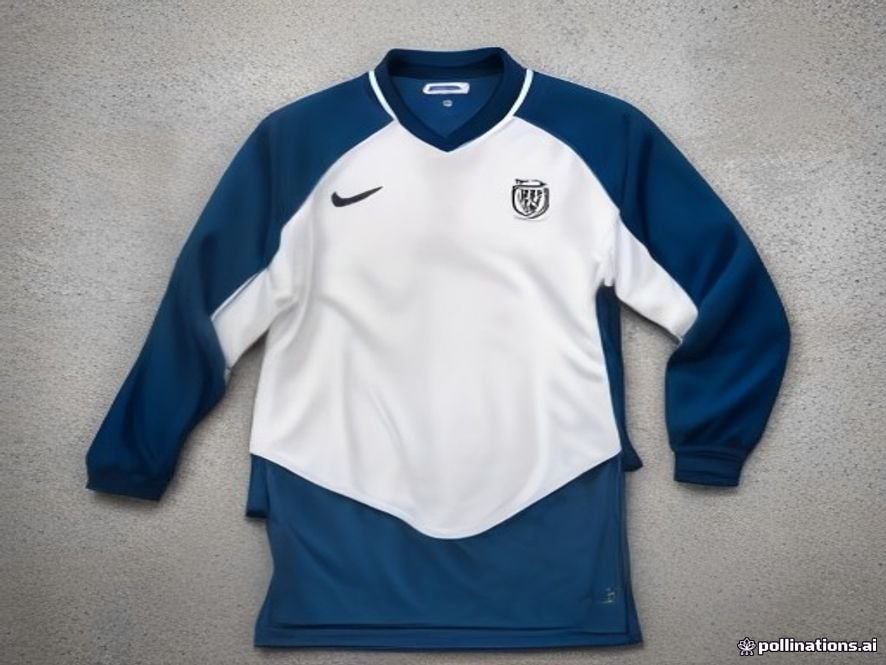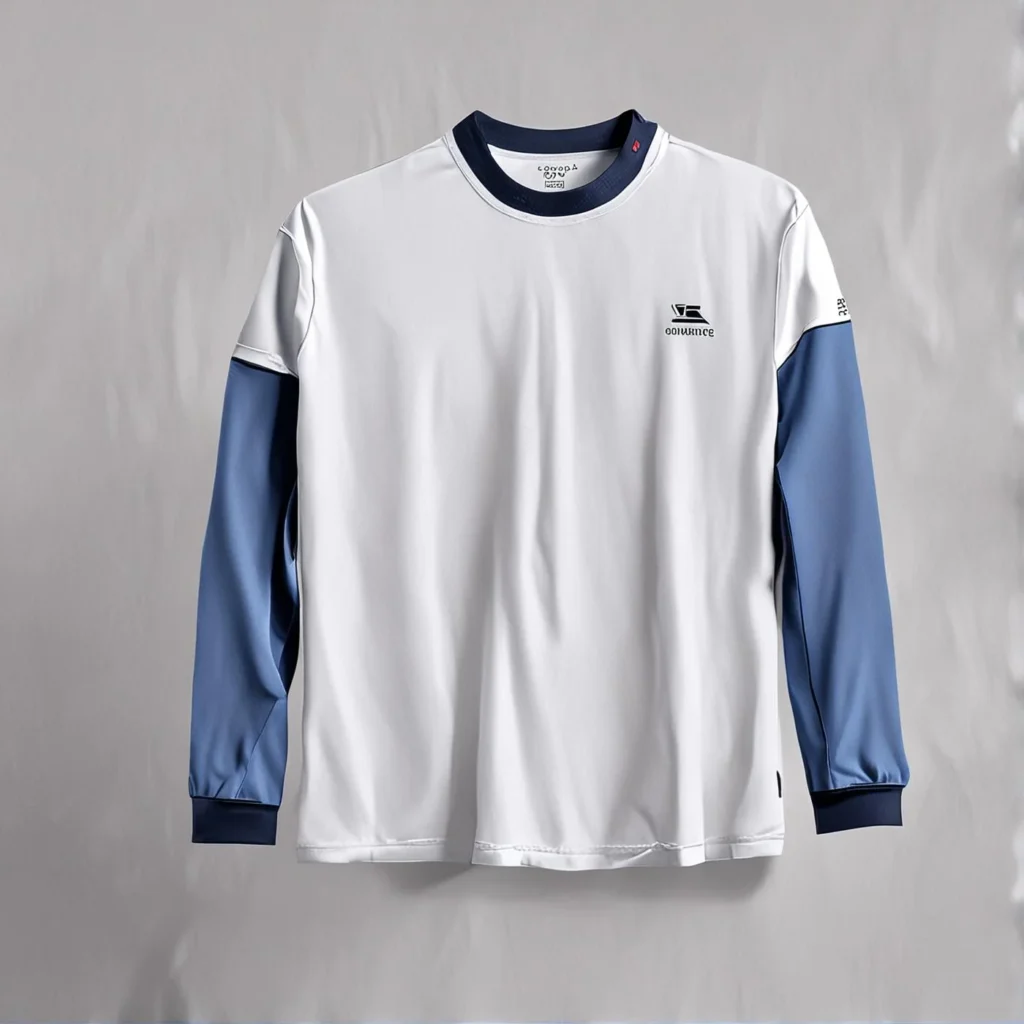
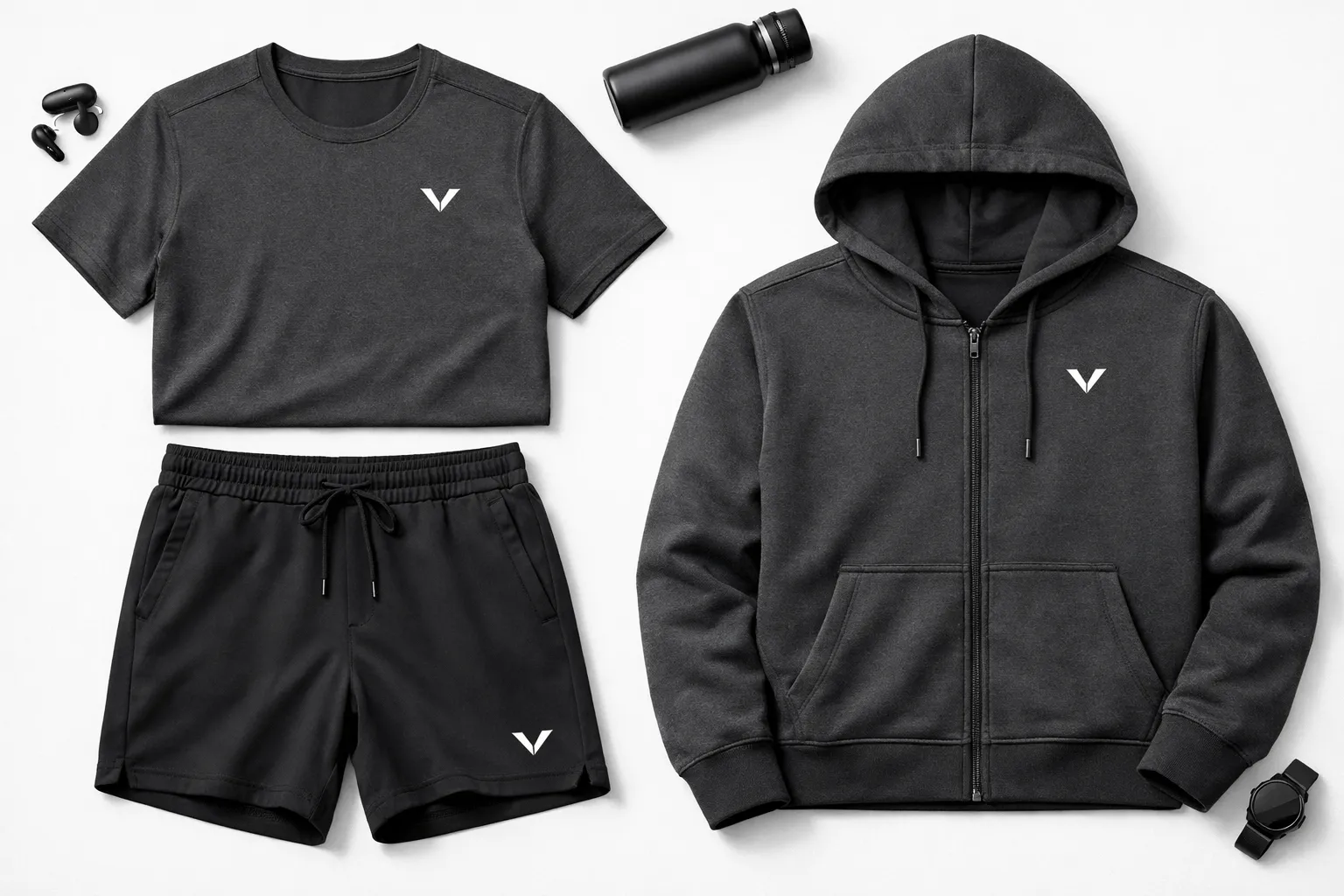
Branded gym wear wholesale is the fastest way to launch and scale a recognizable fitness brand in 2026. From private labeling to brand identity and product strategy, success depends on more than just good products. This guide explains how to build a strong, memorable fitness brand that stands out in a competitive market.
1. Start With Strategy, Not Product
The biggest mistake new fitness brands make is focusing on products before defining their brand. A strong brand starts with a clear target audience and purpose.
Identify exactly who you are serving — whether it is bodybuilders, CrossFit athletes, or lifestyle gym-goers. The more specific your audience, the stronger your brand connection and long-term loyalty.
2. Why Private Label Is the Smart Start
Private label manufacturing allows you to build a brand without managing complex production processes. You focus on branding, marketing, and customer experience while your manufacturer handles production.
This approach reduces risk and speeds up your market entry while still allowing full customization of your products.
3. Defining Your Brand Identity
Your brand identity is what makes customers remember and trust you. It includes:
- Brand name and logo
- Color palette and design style
- Brand voice and messaging
- Core values and mission
Clarity is more important than creativity. Customers should instantly understand what your brand represents.
4. Choosing the Right Manufacturer
A good manufacturer does more than produce garments — they help bring your brand to life.
Look for partners who offer:
- Custom labels and tags
- Packaging options
- Consistent quality control
- Experience with branded products
Your manufacturer plays a key role in maintaining brand consistency.
5. Practical Branding Steps
Strong branding comes from consistent details across every product:
- Main woven label: Permanent brand identity
- Heat transfer labels: Clean and modern look
- Hang tags: Tell your brand story
- Packaging: Adds perceived value
These small details create a premium customer experience.
6. Wholesale With Your Own Label
Custom label wholesale requires planning and commitment:
- Minimum order quantities (50–300 pieces per style)
- Artwork files for labels
- Sample approval before production
- Longer production lead times
Proper planning ensures smooth production and successful brand launches.
7. Expanding Your Product Range
Start with one strong product, then expand strategically.
Avoid adding random products. Instead:
- Focus on customer demand
- Maintain consistent design language
- Build around your best-selling item
A focused product range builds stronger brand identity.
8. Startup Challenges to Expect
Building a fitness brand requires patience and investment:
- Upfront manufacturing costs
- Marketing and branding expenses
- Time to build audience and trust
- Customer acquisition challenges
Understanding these realities helps you plan better and stay consistent.
9. Frequently Asked Questions (FAQs)
What is branded gym wear wholesale?
It refers to purchasing gym wear in bulk with your own brand labels, logos, and packaging.
Is private label good for fitness brands?
Yes, it allows you to launch quickly without managing complex manufacturing processes.
What is the minimum order for custom gym wear?
Most manufacturers require 50–300 pieces per design.
How do I make my fitness brand stand out?
Focus on a clear audience, strong branding, and consistent product quality.
Can I start a gym wear brand with low budget?
Yes, by starting small with private label products and scaling gradually.
For bulk orders, custom manufacturing, or wholesale inquiries, contact us at business@benjima.com.