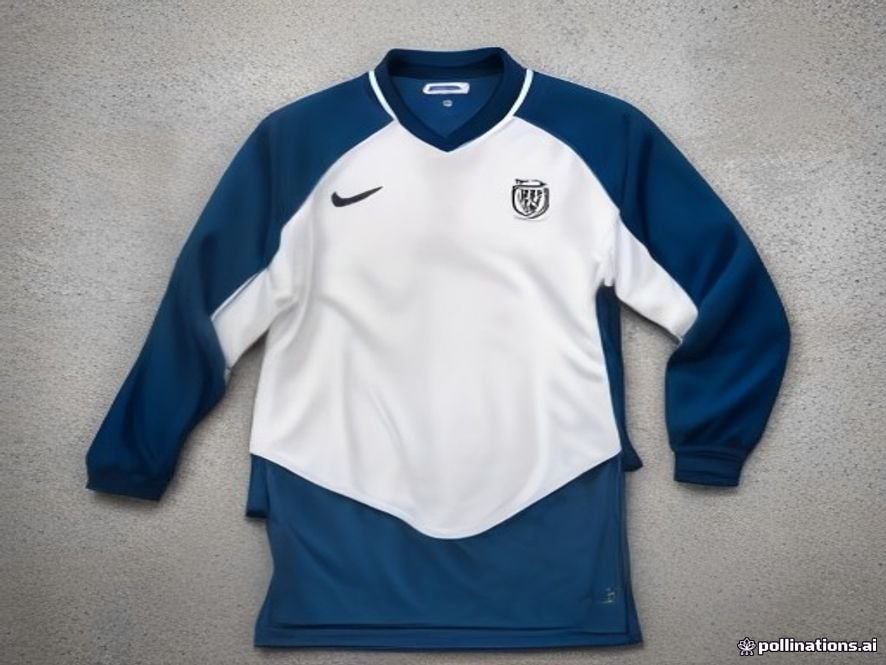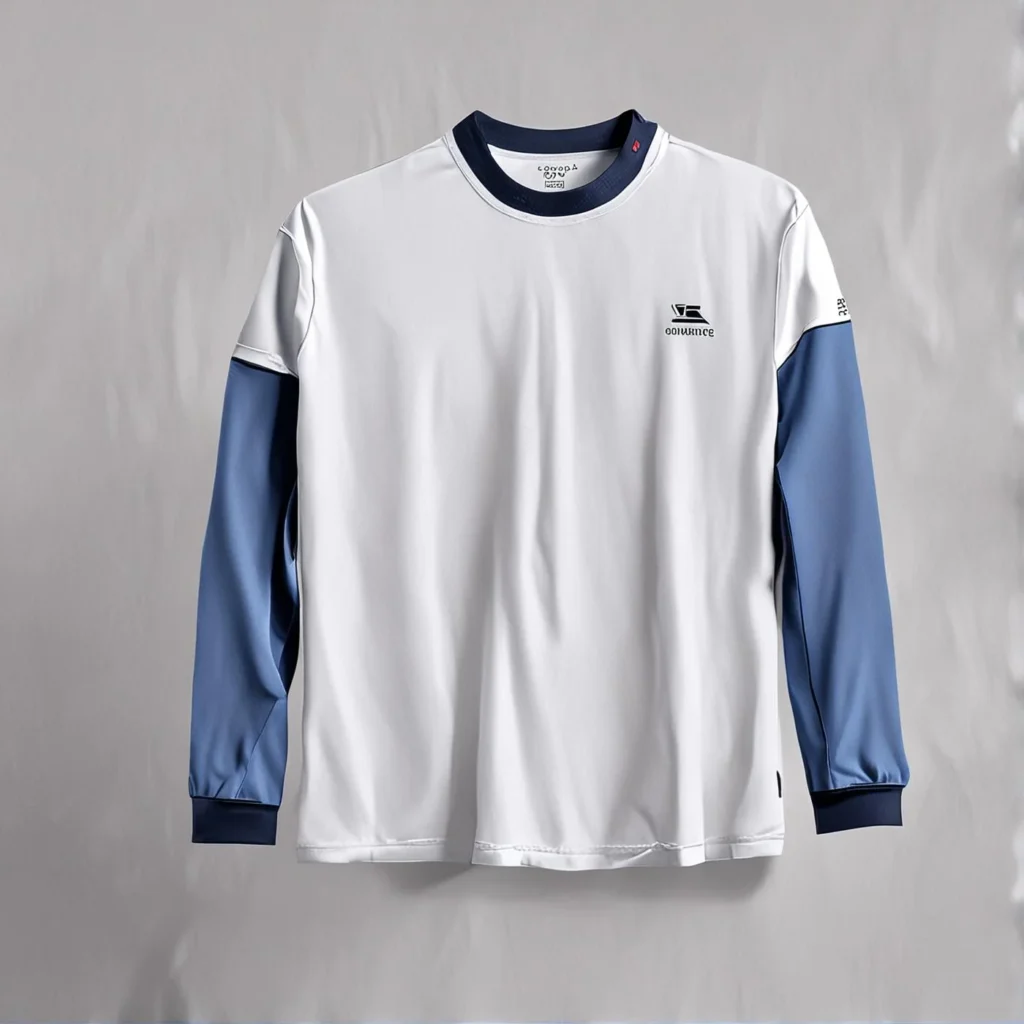
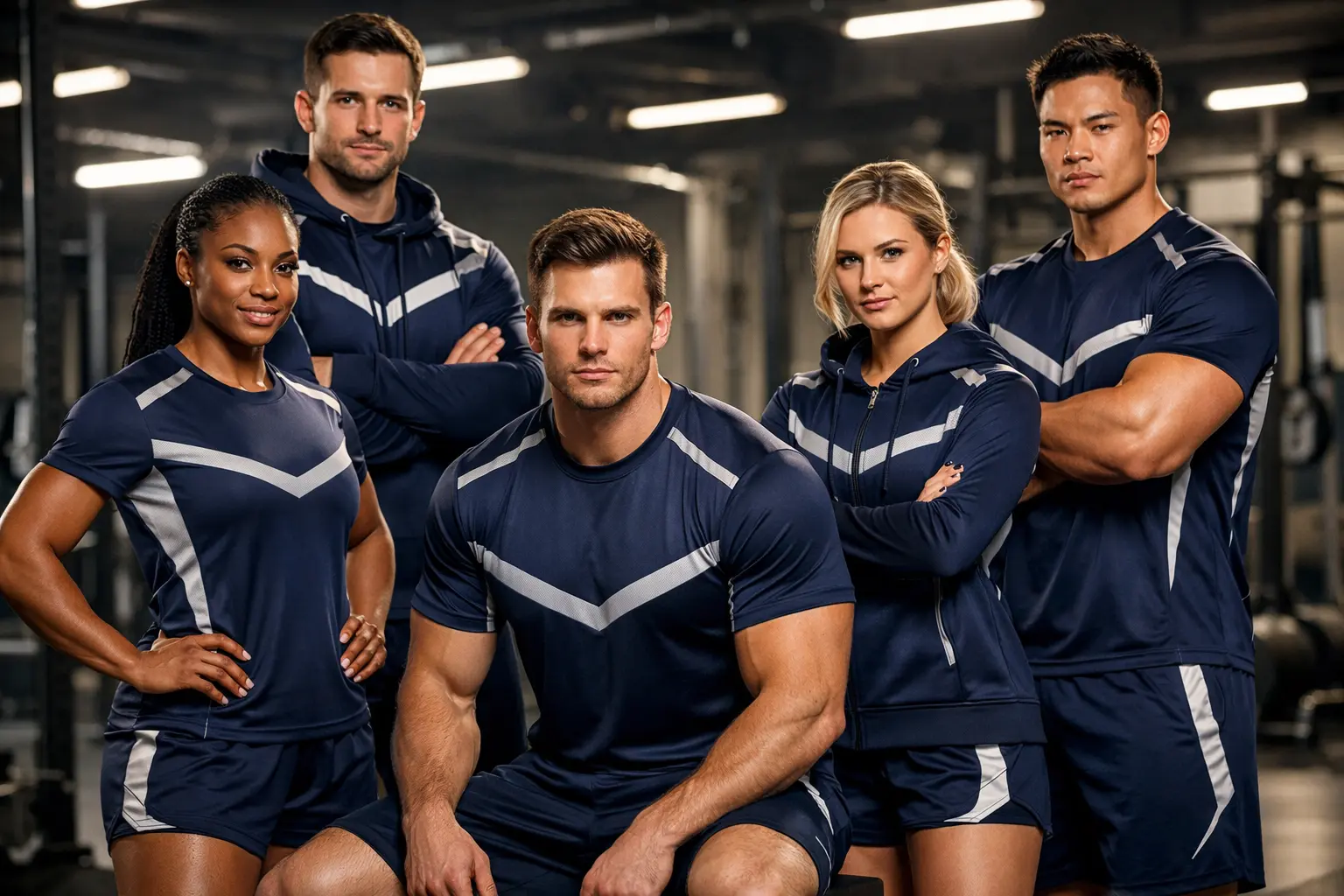
Team gym wear packages help create a strong identity and unity. This guide explains how to order matching gym wear sets in bulk, including design, sizing, branding, and supplier selection.
1. Why Matching Sets Matter
Matching gym wear creates a strong visual identity that reflects unity, professionalism, and commitment. Whether it is a sports team, gym group, or corporate fitness program, coordinated outfits make a powerful impression.
For wholesale buyers, selling matching sets increases average order value and improves customer retention. Teams are also more likely to reorder complete kits each season, making this a highly profitable category.
2. Planning a Team Apparel Package
A successful team order starts with clear planning. A typical package includes:
- Training tops
- Shorts or leggings
- Warm-up layers (hoodies or quarter zips)
- Accessories like caps or bags
Define your color scheme first, then choose compatible decoration methods such as sublimation, screen printing, or embroidery based on fabric type.
3. Designing Coordinated Gym Wear
Consistency across all garments is essential. Use a unified design language:
- Maintain the same color palette across all items
- Repeat design elements like stripes or panels
- Keep logo placement consistent
A cohesive design ensures the team looks professional rather than mismatched.
4. Choosing the Right Manufacturer
Not all suppliers can handle full kit production. Choose a manufacturer who:
- Produces multiple garment types
- Maintains color consistency across fabrics
- Delivers complete orders on time
- Has experience with team kits
Request samples and review past projects before committing.
5. Managing Size Distribution
Accurate sizing is critical in team orders. Always collect individual sizes before production.
Best practices:
- Use a size collection form
- Gather both measurements and fit preferences
- Separate size data by garment type
This reduces errors and ensures better fit satisfaction for all members.
6. Branding Your Team Kit
Branding transforms a kit into a unique identity. Consider:
- Main logo placement on chest
- Team name on back
- Player names and numbers
- Secondary logos on sleeves or shorts
Use clear guidelines for logo size, color, and placement to maintain consistency.
7. Pricing & Margin Strategy
Team packages should be priced based on total value, not just individual product costs.
Key points:
- Include design and service value in pricing
- Offer package discounts for bulk orders
- Maintain healthy margins for sustainability
Customers are willing to pay more for complete, reliable solutions.
8. Streamlining the Order Process
Efficient processes reduce errors and delays. Use a standardized order system including:
- Team details and delivery address
- Garment list and sizes
- Color and design specifications
- Logo files and placement instructions
Providing a complete brief helps manufacturers deliver faster and more accurately.
9. Finding a Reliable Supplier
A good supplier ensures smooth production and delivery. Look for:
- Consistent quality across orders
- Strong communication
- Reliable timelines
- Experience in bulk kit production
Test with a small order before scaling up to large projects.
10. Frequently Asked Questions (FAQs)
What is included in a team gym wear package?
It usually includes tops, bottoms, warm-up layers, and optional accessories like caps or bags.
How do I collect sizes for team orders?
Use a size form or spreadsheet and gather data from each team member before placing the order.
What is the best printing method for team kits?
Sublimation is best for full designs, while screen printing and embroidery work for simple logos.
What is the typical MOQ for team orders?
Most manufacturers require 50–300 pieces depending on customization level.
How long does production take?
Production usually takes 2–5 weeks depending on order size and customization complexity.
For bulk orders, custom manufacturing, or wholesale inquiries, contact us at
business@benjima.com.