The Real Cost of Cheap Football Uniforms
When you are sourcing gear for a professional club, a retail brand, or a competitive league, a bad batch of custom soccer kits is more than an inconvenience. It is a financial hit and a blow to your reputation. If the fabric catches on Velcro, if the numbers peel after three washes, or if the fit is boxy and restrictive, your clients will not return. Choosing the right soccer kits manufacturer is about finding a partner who understands the balance between raw material quality, technical decoration, and production efficiency.
Most buyers focus too much on price per unit and not enough on the technical specifications that determine whether a garment lasts the season. Soccer is a high-abrasion sport that demands lightweight, moisture-wicking materials and durable embellishments. Here is how to evaluate your options and build custom football uniforms that perform on the pitch and hold up in the wash.
Selecting the Right Fabric: Weight, Weave, and Performance
The foundation of any high-quality kit is the base textile. Forget generic polyester. You need to look at the specific weight, measured in grams per square meter (GSM), and the structure of the knit. If the fabric is too heavy, players will drag under the weight of their own sweat. If it is too light, the shirts will rip during the first physical tackle.
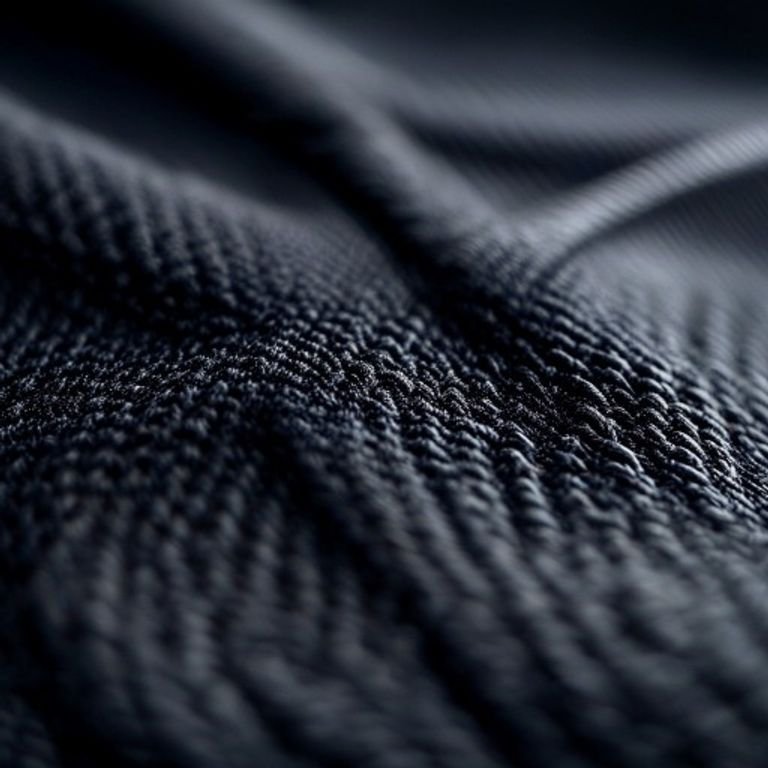
For modern, elite-level matches, we recommend a main body fabric of 140 to 160 GSM interlock polyester. Interlock has a smooth surface on both sides, which provides an excellent canvas for printing. To keep players cool, you should integrate mesh panels under the arms and down the flanks. A 120 GSM pin-hole mesh offers the necessary ventilation without sacrificing structural integrity.
| Fabric Type | Weight (GSM) | Best Used For | Pros and Cons |
|---|---|---|---|
| Polyester Interlock | 140 to 160 GSM | Main body of jerseys | Durable, smooth surface for print, excellent drape. Can feel warm if no mesh is added. |
| Pin-Hole Mesh | 110 to 130 GSM | Side panels, underarms | Maximum breathability, fast drying. Lower tensile strength. |
| Heavyweight Polyester Jacquard | 160 to 180 GSM | Premium retro shirts | High-end structured look, custom knit patterns. Too heavy for hot weather. |
| Polyester / Spandex Blend | 180 to 220 GSM | Pro-fit shorts and baselayers | Four-way stretch, comfortable fit. More expensive, requires specialized needles to stitch. |
We work closely with OEKO-TEX capable yarn suppliers to ensure our fabrics are free from harmful chemicals. This is a critical selling point for retail brands and youth academies where safety standards are non-negotiable.
Decoration Methods: Sublimation vs. Heat Transfer and Embroidery
How you apply team crests, sponsor logos, and player numbers affects both the cost and the lifespan of your soccer uniforms. One size does not fit all. If you are producing a complex, multi-colored graphic for a corporate sponsor, your approach must differ from when you are applying a simple, traditional club crest.
Sublimation Printing
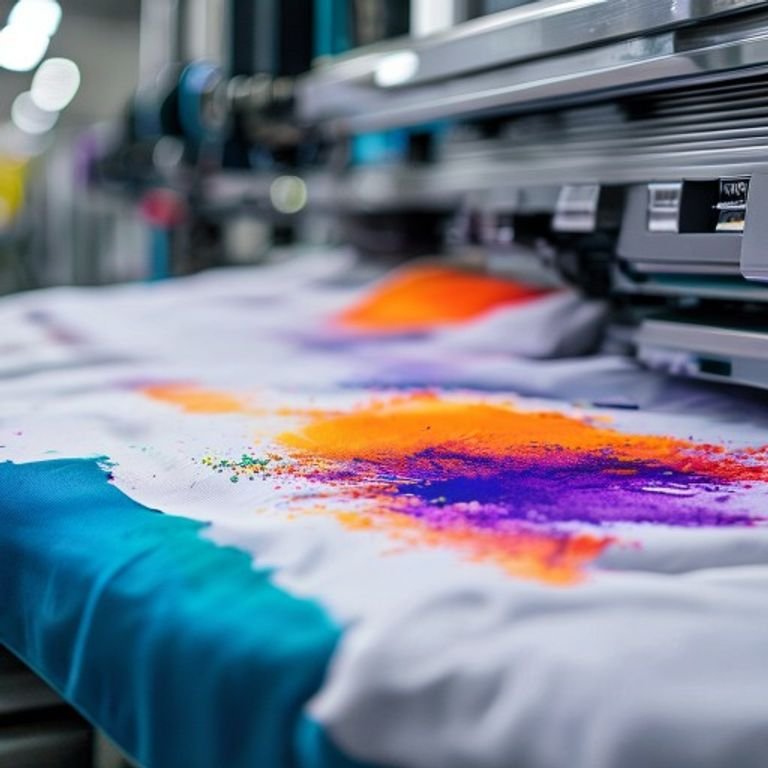
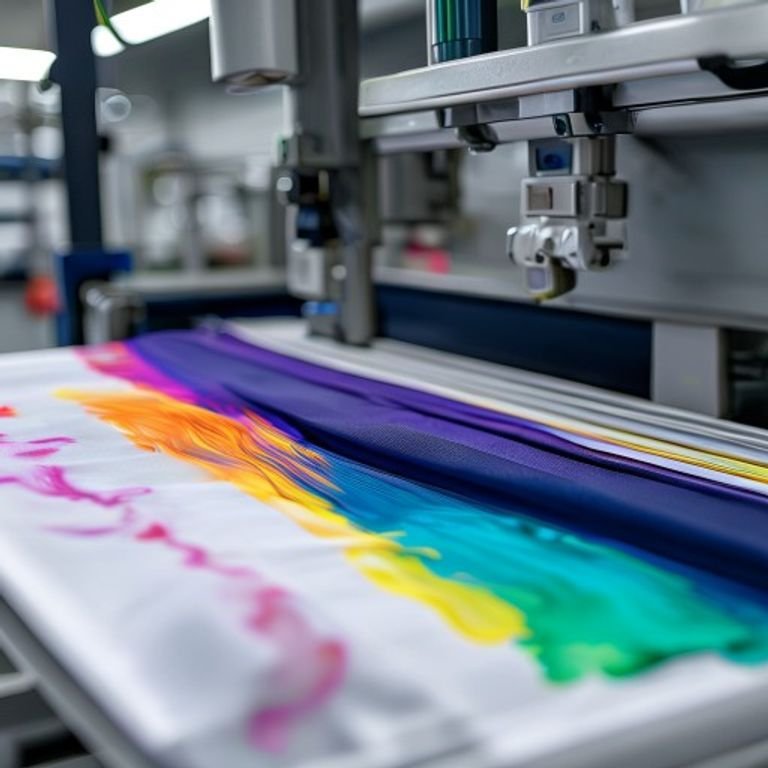
For complete design freedom, sublimation is the industry standard. This process uses heat to turn ink into a gas that bonds directly with the polyester fibers. The design becomes part of the fabric itself. It will never crack, peel, or fade, and it adds zero weight to the jersey. If your design features intricate gradient patterns or multiple sponsor logos across the chest, sublimation is the most cost-effective path because you do not pay per print color.
Heat Transfer and DTF (Direct to Film)
For sharp, vibrant details on solid-color jerseys, modern DTF transfers or ultra-thin polyurethane heat transfers are the preferred choices. They allow for crisp edges and metallic finishes that sublimation cannot match. However, heavy, thick vinyl transfers create sweat patches on the chest. Ensure your manufacturer uses lightweight, breathable, and stretchable films that move with the knit of the shirt.
Embroidery and Woven Crests
Traditional embroidery is excellent for classic, high-end club kits, but it should be restricted to the team crest. Large embroidered logos on the chest can rub against the skin, causing irritation during play. If you want the premium look of embroidery without the rough backing, consider satin-stitch woven patches that are heat-pressed onto the garment. For a modern, professional look, silicon and 3D puff print crests offer an appealing textured finish that elevates a retail product.
Patterns, Sizing, and Construction Details
A beautiful design is useless if the fit is wrong. Football is a game of constant movement. Players need garments that move with them, which requires precise size grading and smart panel construction.
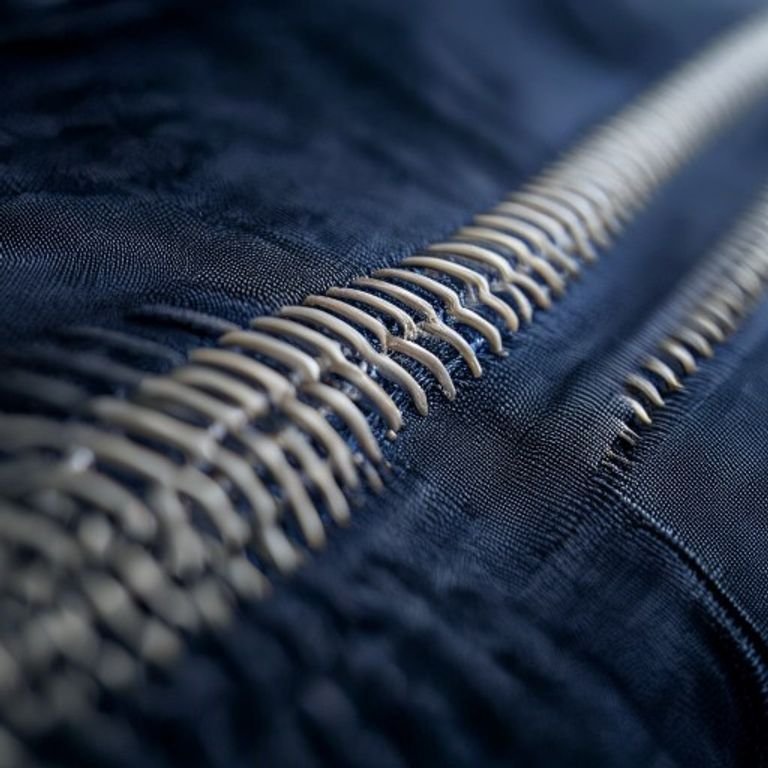
Look closely at the stitching. Flatlock or reinforced double-needle overlock stitching is essential for high-stress seams like the shoulders, armholes, and crotch of the shorts. Standard single-needle stitching will unravel under tension. Furthermore, the collar construction matters. A knit rib collar retains its shape over time, whereas a self-fabric collar can stretch out and sag after a few heavy matches.
- Raglan Sleeves: These extend fully to the collar, offering a wider range of motion for the arms and shoulders compared to set-in sleeves.
- Reinforced Waistbands: Shorts should feature a thick elastic waistband with an internal flat drawcord to secure the fit.
- Proper Size Grading: Ensure your partner offers a comprehensive size run from youth to adult 3XL, scaled correctly for athletic builds rather than generic casual wear.
Evaluating Your Soccer Kits Manufacturer
When you are ready to move from concept to production, you need to understand how your soccer kits manufacturer operates behind the scenes. Many suppliers act as middle-men, outsourcing the actual work to small, unregulated workshops. This leads to inconsistent sizing, color shifts between batches, and missed deadlines.
At Benjima, we run a fully vertically integrated facility in Sialkot, Pakistan. Every step of production, including pattern cutting, sublimation printing, embroidery, stitching, quality control, and packing, is handled in-house under our direct supervision. This is how we maintain strict quality standards and deliver on our promises.
Before you commit to a bulk run, always request a physical sample. This allows you to test the fabric drape, examine the stitching density, and check the accuracy of the color matching. We require sample approval before we start cutting any bulk fabrics, ensuring there are no surprises when the final cargo arrives at your warehouse.
The Economics of Bulk Ordering: Lead Times and MOQs
Managing inventory is a balancing act. You do not want to tie up too much capital in unsold stock, but you cannot afford to run out of jerseys mid-season. Understanding production minimums and turnaround times is key to keeping your supply chain running smoothly.
For custom sublimated shirts and custom soccer kits, our minimum order quantity is 50 pieces per style. This low MOQ allows brand owners to test new designs or cater to smaller local clubs without excessive upfront costs. For specialized gear like goalkeeper gloves and team headwear, the minimum is 100 pieces due to the technical nature of the molds and materials.
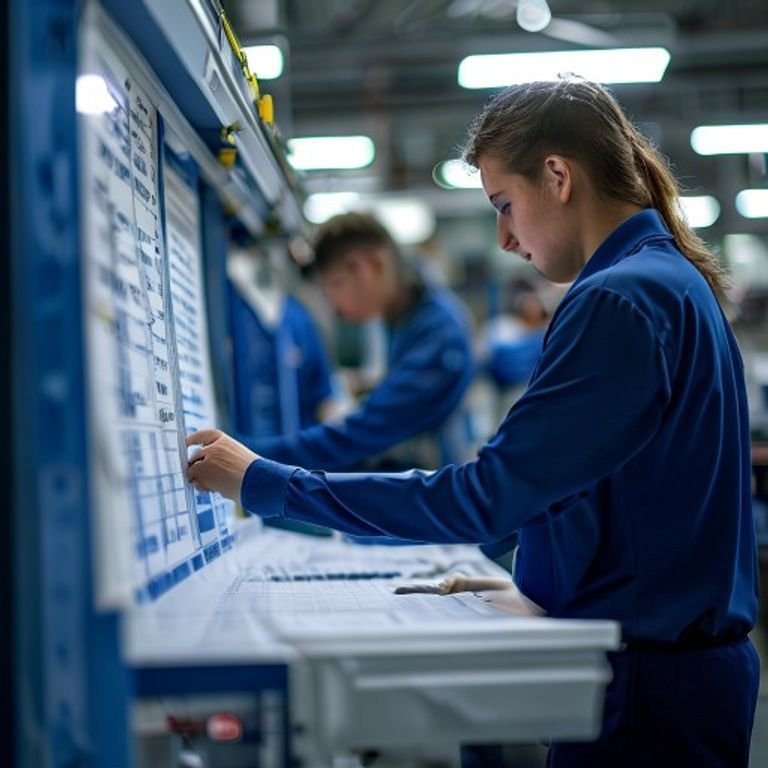
Once your pre-production sample is approved, our bulk lead time is 15 to 25 working days. This includes our comprehensive quality control process, where we inspect finished garments against an AQL 2.5 standard. This standard checks for measurements, seam strength, loose threads, and printing defects, ensuring that every piece packed in our facility is ready for the pitch or the retail shelf.
Moving Forward with Your Team Wear Production
Choosing to build custom football uniforms with an experienced manufacturer removes the guesswork from your supply chain. Focus on selecting high-grade, breathable polyesters, choose the decoration method that matches your budget and aesthetic goals, and partner with a factory that controls its entire production line. If you are ready to discuss your team designs, fabric specifications, or want to arrange a physical sample, contact our team today to get your project moving.
Frequently asked questions
What is the minimum order quantity for custom soccer kits?
Our minimum order quantity is 50 pieces per style for custom soccer kits and general activewear. For specialized items like custom goalie gloves and headwear, the MOQ is 100 pieces per style.
How long does it take to manufacture and ship a bulk order?
Bulk production takes between 15 and 25 working days after you approve the initial pre-production sample. Shipping times vary depending on your location and chosen shipping method, whether air or sea freight.
Can we test the fabric and fit before placing a bulk order?
Yes, we always produce and send a physical sample for your approval before starting bulk production. This ensures you can verify the fabric weight, fit, stitching quality, and print colors beforehand.
Which printing method is best for custom football uniforms?
Sublimation printing is best for complex designs, multiple logos, and vibrant colors because the ink fuses directly with the fabric fibers. For simple logos and solid shirts, ultra-thin heat transfers or woven patches are excellent alternatives.