The Fundamentals of Custom Football Jerseys
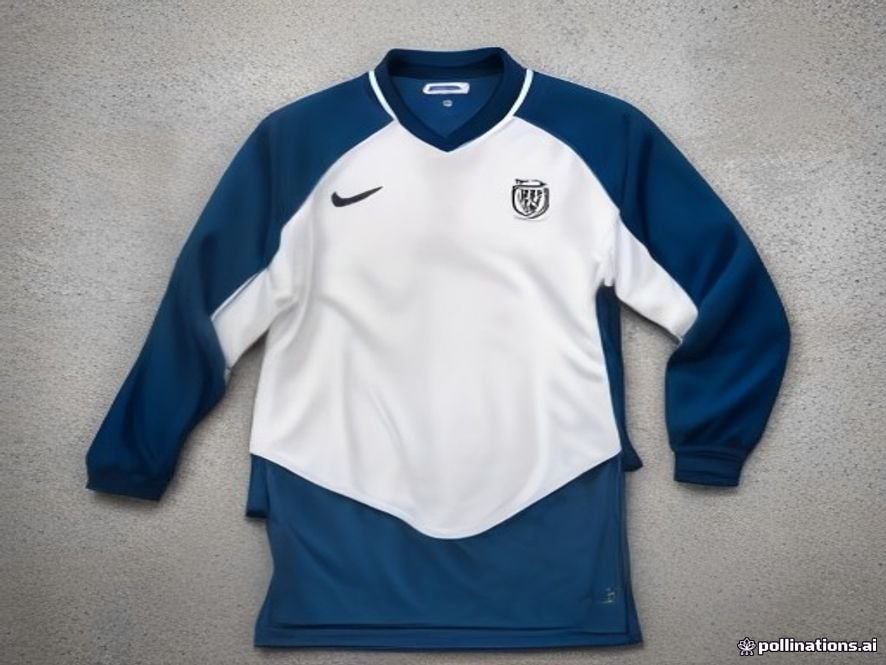
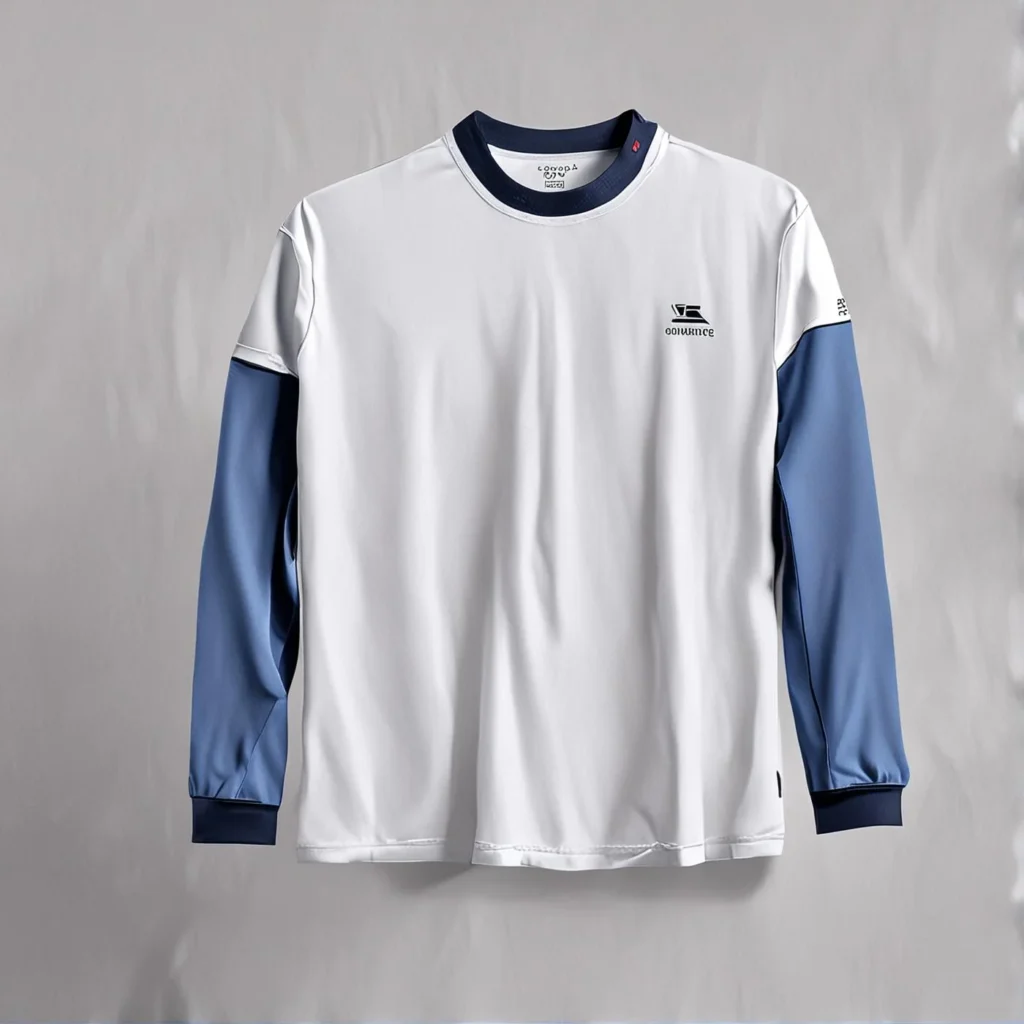
Sourcing high performance athletic wear requires balancing fabric durability with player comfort. If you are a brand owner or a team buyer, finding the right balance determines whether your line succeeds in a competitive market. Selecting the correct materials and embellishments ensures your custom football jerseys perform under match conditions while maintaining their appearance after dozens of wash cycles. This guide details the technical specifications, fabrication methods, and production processes required to manufacture premium team uniforms at scale.
At Benjima, we handle the entire production process in our Sialkot facility, from initial patterns to final packaging. Understanding how these garments are put together allows you to make informed decisions that protect your profit margins and satisfy your customers. Creating excellent custom football jerseys starts with choosing the right base fabrics and understanding the weight requirements of modern sportswear.
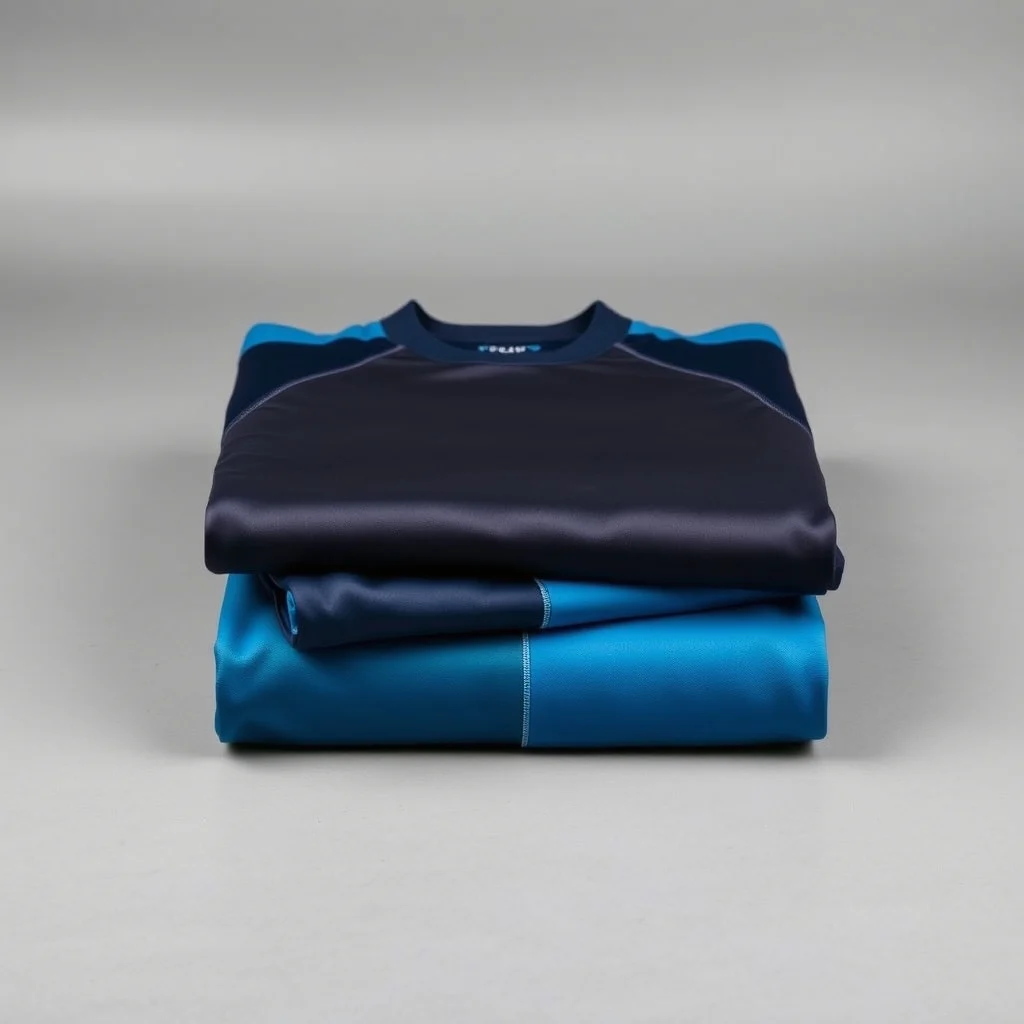
Fabric Selection and GSM Specifications
Modern athletic wear relies on synthetic fibres engineered for moisture management. For custom football jerseys, we primarily use 100% polyester because of its tensile strength, low moisture absorption, and excellent dye receptive properties. However, not all polyester fabrics are created equal. The knit structure and weight determine how the garment drapes and breathes on the pitch.
We typically work with two main fabric structures for football kits: interlock knit and mesh. Interlock polyester at 140 to 160 GSM (grams per square metre) offers a smooth, solid surface that is perfect for detailed printing. It feels light on the skin but has enough density to resist pulling. For high ventilation areas like side panels or the entire back of the shirt, we integrate a polyester pinhole mesh or bird-eye mesh at 120 to 140 GSM. This dual fabric construction keeps players cool during intense matches while maintaining the structural integrity of the main panels.
When finalizing your jersey design, you can also request moisture wicking treatments and anti bacterial finishes. These chemical treatments are applied during the fabric finishing stage, ensuring the yarn pulls sweat away from the body to the outer surface of the garment where it can evaporate quickly.
Understanding Embellishment and Printing Techniques
The choice of decoration method affects both the unit cost and the longevity of the garment. For team sports, durability is non-negotiable. The graphics must withstand sliding tackles, mud, and frequent laundering without cracking, peeling, or fading.
| Decoration Method | Best Suited For | Durability | Setup Cost |
|---|---|---|---|
| Dye Sublimation | All over prints, complex gradients | Maximum (Permanent) | Low (Digital) |
| Screen Printing | Simple solid colours, cotton blends | Medium to High | High (Per screen) |
| Embroidery | Traditional chest crests, badges | High | Medium |
| Silicon Heat Transfer | Premium professional club logos | High (If applied correctly) | High (Mold charge) |
For most modern kits, sublimated football jerseys are the industry standard. In the sublimation process, heat sensitive inks turn into gas under heat and pressure, bonding directly with the polyester fibres. This means the print becomes part of the fabric itself. There is no heavy ink layer sitting on top of the cloth, which keeps the garment breathable and light. Your custom football jerseys will never crack or peel when decorated this way, making it the most reliable option for competitive club kits.
For premium retail brands, we also offer direct to film (DTF) transfers, high density silicone prints, and traditional embroidery. Embroidered crests add a classic, high value feel to a jersey design, but they require a backing fabric to protect the player’s skin from chafing. We recommend keeping embroidery sizes moderate to avoid weighing down the chest area.
Developing the Right Fit and Size Grading
An excellent jersey design must accommodate diverse athlete body types. Standard sportswear patterns use a slightly tapered athletic fit that reduces excess fabric while allowing full range of motion. When you source custom football jerseys from a manufacturer, you need to establish a clear size chart that spans from youth sizes up to adult double extra large (XXL).
Size grading is the process of scaling your base pattern up and down. For sportswear, this must be done carefully so the proportions of the collar, armholes, and chest panel remain balanced. An incorrect grading scale results in larger sizes that sag at the shoulders or smaller sizes with restrictive chest dimensions. We recommend providing your own spec sheets, or you can work with our in house pattern makers to develop standard European or American fits that match your target market’s expectations.
Collar construction is another critical design element. Crew necks and V-necks are the most popular options. A rib-knit collar containing a small percentage of elastane helps the neck opening retain its shape after repeated stretching during play. For a more traditional aesthetic, a polo collar with a hidden placket offers a classic look without the risk of buttons snapping off during a match.
The In House Manufacturing Process Explained
At Benjima, we believe that controlling every stage of production under one roof is the only way to guarantee consistent quality. Our facility in Sialkot, Pakistan, handles everything from initial pattern cutting to final packing. When we produce custom football jerseys, the workflow is highly structured to minimize errors and maintain efficiency.
First, the fabric is inspected for knitting defects and shade variation. Once approved, the fabric panels are cut using precision automated cutting machinery. If you are ordering sublimated football jerseys, the flat cut panels are sent directly to our printing department. Here, the digital designs are printed onto transfer paper and sublimated onto the polyester panels using industrial rotary heat presses.
After printing, the panels move to the stitching floor. We use specialized flatlock and overlock machines that create flat, high strength seams. These flat seams prevent skin irritation and can withstand the intense pulling that occurs during matches. Every single operator on our sewing lines specializes in specific assembly tasks, which ensures high efficiency and consistent stitch tension across the entire batch of custom football jerseys.
Quality Control Standards and Bulk Delivery Timeline
Quality control is not a final step; it is integrated into every phase of our manufacturing process. We operate under strict AQL 2.5 quality standards. This means that at every stage-cutting, printing, stitching, and finishing-in line inspectors check the garments for measurement tolerances, stitching neatness, and print accuracy.
Before packing, every single custom jersey design is cleaned of loose threads, ironed, and checked against the approved master sample. Our minimum order quantity for custom football jerseys is 50 pieces per style, which allows brand owners to test new designs without committing to massive inventories. For gloves and custom headwear, the minimum is 100 pieces per style.
- Sample Development: 7 to 10 working days to produce a physical prototype.
- Sample Approval: The client reviews and approves the physical sample before bulk starts.
- Bulk Lead Time: 15 to 25 working days from sample approval to finished packaging.
- Inspection Method: AQL 2.5 standard testing for dimensions, seam strength, and colour fastness.
- Packaging: Each jersey is individually packed in a polybag, complete with size stickers and custom brand hangtags, before being packed into seaworthy export cartons.
By keeping all processes in house, we avoid the delays and quality drops associated with outsourcing. Whether you are ordering a small batch of 50 custom football jerseys for a local club or a run of several thousand for a retail chain, our production timeline remains predictable and transparent.
How to Prepare Your Tech Pack for Production
To ensure your custom football jerseys are manufactured exactly to your specifications, you must provide a detailed tech pack. A professional tech pack acts as a blueprint for our pattern makers and sewing teams. It eliminates guesswork and prevents costly errors during the sampling phase.
Your tech pack should include high resolution vector artwork of your jersey design, with all colours specified in Pantone codes. Clearly mark the placement and dimensions of all logos, sponsor prints, player numbers, and branding labels. You should also include a detailed bill of materials specifying your preferred fabric weight, collar type, stitching thread requirements, and packaging details. If you do not have a complete tech pack, our team can help you translate your concepts into production-ready technical drawings. Investing time in this preparation phase ensures your custom football jerseys turn out exactly as you envisioned, speeding up your path from initial concept to bulk delivery.
Sourcing Your Next Team Collection
Creating professional team uniforms requires a manufacturer that understands the technical demands of modern sports apparel. From selecting durable 150 GSM interlock polyester to executing precise dye sublimation, every step of the process must be handled with care. By partnering with an experienced, in house manufacturer, you can deliver high performance apparel that players love to wear.
If you are ready to start your next collection of custom football jerseys, reach out to our team today. We will guide you through fabric selection, help you refine your jersey design, and provide a detailed quote for your bulk production run.
Frequently asked questions
What is the minimum order quantity for custom football jerseys?
Our minimum order quantity for custom football jerseys is 50 pieces per style. For coordinating team accessories like gloves and headwear, the minimum is 100 pieces per style.
What is the lead time for bulk jersey orders?
Bulk production takes 15 to 25 working days after the physical sample is approved. The sampling stage itself takes about 7 to 10 working days to produce and dispatch.
Why is dye sublimation preferred for football jerseys?
Dye sublimation chemically fuses the ink with the polyester fibres, making the print permanent. This prevents cracking, peeling, or fading while keeping the custom football jerseys fully breathable.
Do you provide physical samples before bulk production runs?
Yes, we produce and send a physical sample for your approval before starting bulk production. This ensures the fabrics, sizing, and prints match your exact design specifications.