
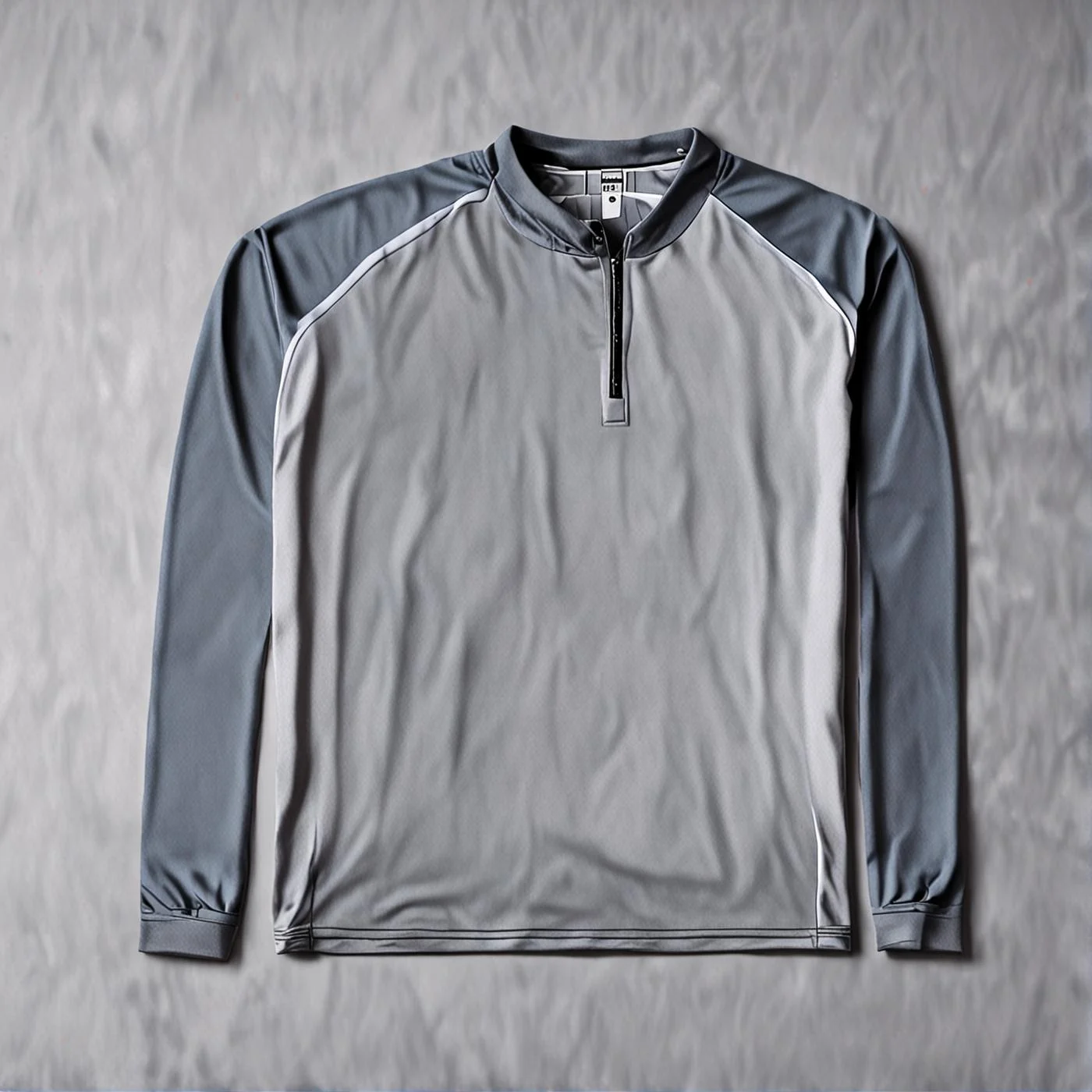
The Critical Role of Football Training Kits in Modern Performance
Managing a football team or a sportswear brand requires a deep understanding of how gear impacts the daily routine of an athlete. Football training kits are the most used items in a player’s wardrobe, often enduring more stress than match day kits. These garments must withstand daily washing cycles, constant friction, and varying weather conditions while maintaining their structural integrity. When you source football training kits for your organization, you are investing in the comfort and focus of your players during the hours that truly determine the outcome of a match. Reliability in the manufacturing process ensures that every piece in a bulk order meets the same standard, preventing the logistical headache of mismatched colors or failing seams.
Technical fabrics have evolved significantly. While a match jersey might prioritize extreme lightness for a ninety minute sprint, football training kits need a balance of durability and breathability. We typically look for interlock fabrics or mini waffle knits ranging from 140 to 180 GSM. These weights provide enough substance to resist snagging during contact drills while remaining light enough to wick moisture effectively. For brand owners, selecting the right football training kits means choosing a partner who understands these nuances and can offer a private label program that reflects the prestige of their logo.
Selecting High Performance Fabrics and GSM Weights
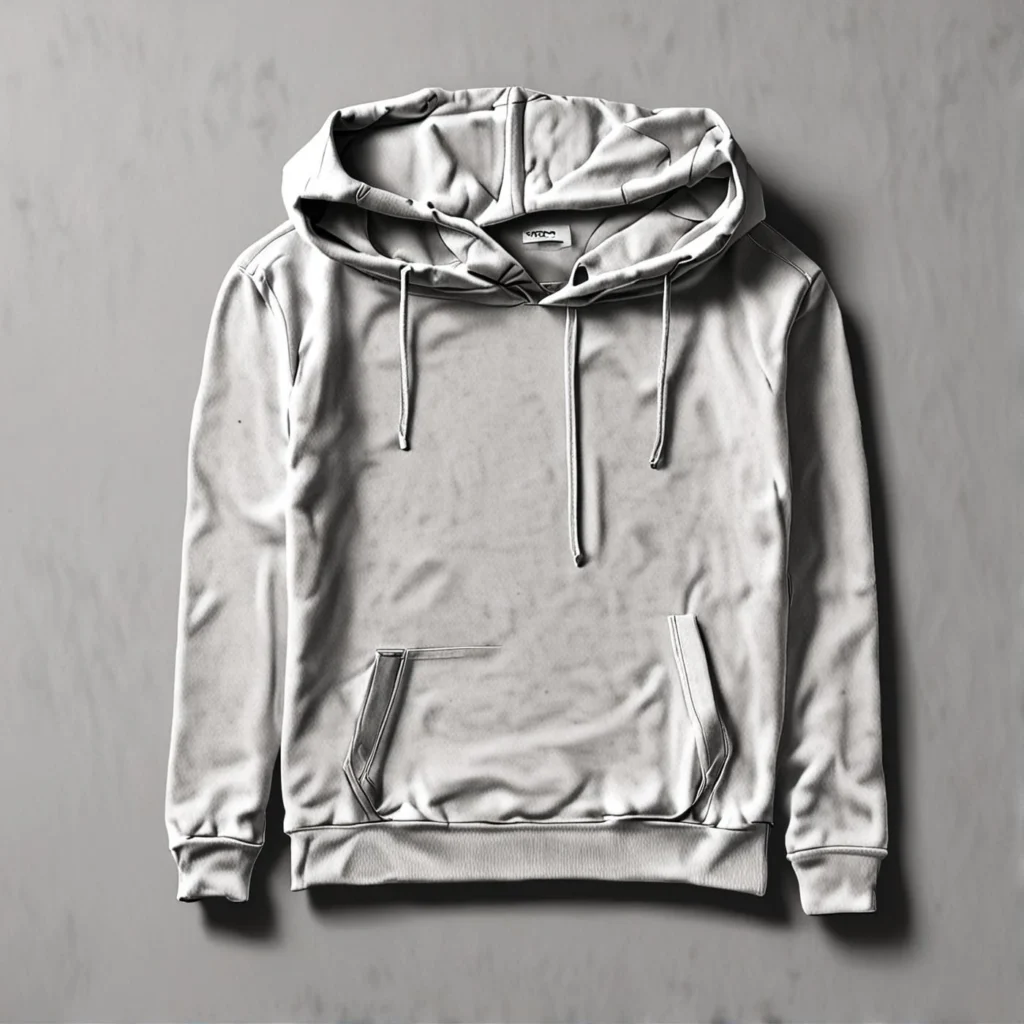
The foundation of any high quality custom football training kits is the base material. Polyester remains the standard, but the weave makes the difference. We recommend a 100% polyester interlock for its smooth surface, which is ideal for various decoration methods. For cold weather sessions, a heavier brushed back fleece of 280 to 320 GSM is the preferred choice for mid layers and tracksuits. This weight provides thermal insulation without the bulk that hinders a player’s range of motion. It is vital to match the fabric weight to the specific climate and intensity of the training session.
Micro mesh panels are often integrated into areas of high heat, such as underarms and the lower back. This targeted ventilation is a staple of professional football training kits. When we discuss custom soccer training kits with distributors, we often emphasize the importance of color fastness. Training gear is exposed to high UV levels and frequent laundering. By using high grade dyes and OEKO TEX capable fabrics, we ensure that the vibrancy of the team colors remains consistent from the first session of the season to the last.
Decoration Methods and Brand Identity
Choosing the right branding technique for football training wear depends on the complexity of the logo and the desired feel of the garment. For large scale numbers and simple logos, screen printing remains cost effective and durable. However, many modern brands prefer the versatility of Heat Transfer or Digital Transfer Film (DTF). DTF allows for high resolution details and a soft hand feel that does not crack over time. If your football team training kits require a more premium aesthetic, embroidery or 3D puff print can be used on hoodies and track jackets where the fabric is heavy enough to support the stitch density.
Sublimation is another powerful tool for custom football training kits. This process dyes the design directly into the fabric fibers, meaning the graphics will never fade, peel, or crack. This is particularly useful for training tops that feature intricate patterns or sponsor gradients. For high contact gear, we often suggest avoiding thick plastic based prints that can feel heavy or sticky when wet. Instead, lightweight transfers or sublimated panels ensure the football training uniforms remain comfortable during intense physical exertion.
The Manufacturing Process from Sample to Bulk
A transparent manufacturing timeline is essential for team managers planning a season. At Benjima, we follow a strict sequence to ensure accuracy. The process begins with sample creation, allowing you to verify the fit, fabric, and decoration before the main production run starts. Once the sample is approved, the bulk lead time for football training kits is typically 15 to 25 working days. This window covers everything from fabric sourcing to final quality control. Having all processes including cutting, printing, embroidery, and stitching in house allows for tighter control over the schedule and the final product quality.
| Process Stage | Details and Standards | Timeline (Post-Sample) |
|---|---|---|
| Cutting & Grading | Computerized size grading for accuracy | Days 1-3 |
| Decoration | Sublimation, Screen Print, or Embroidery | Days 4-10 |
| Stitching | Reinforced seams for high impact play | Days 11-18 |
| QC & Packing | AQL 2.5 inspection and poly-bagging | Days 19-25 |
Quality control is not a final step but a continuous process. We use AQL 2.5 standards to inspect garments at various stages. This rigorous approach ensures that every piece of football training apparel meets international standards. For retailers and distributors, this consistency is vital for maintaining customer trust and reducing return rates. When ordering football training kits in bulk, our minimums start at 50 pieces per style, which allows for manageable inventory levels while still accessing wholesale pricing.
Optimizing the Fit for Professional Training Kits
Fit is often the most overlooked aspect of football training uniforms. A garment that is too loose can get caught on equipment or opponents, while one that is too tight restricts movement. Professional athletes require an athletic fit that follows the contours of the body without being restrictive. This is achieved through precise pattern making and size grading. Our team handles the grading in house, ensuring that a size Small offers the same performance benefits as a 2XL. This attention to detail is what separates standard gear from professional football training kits.
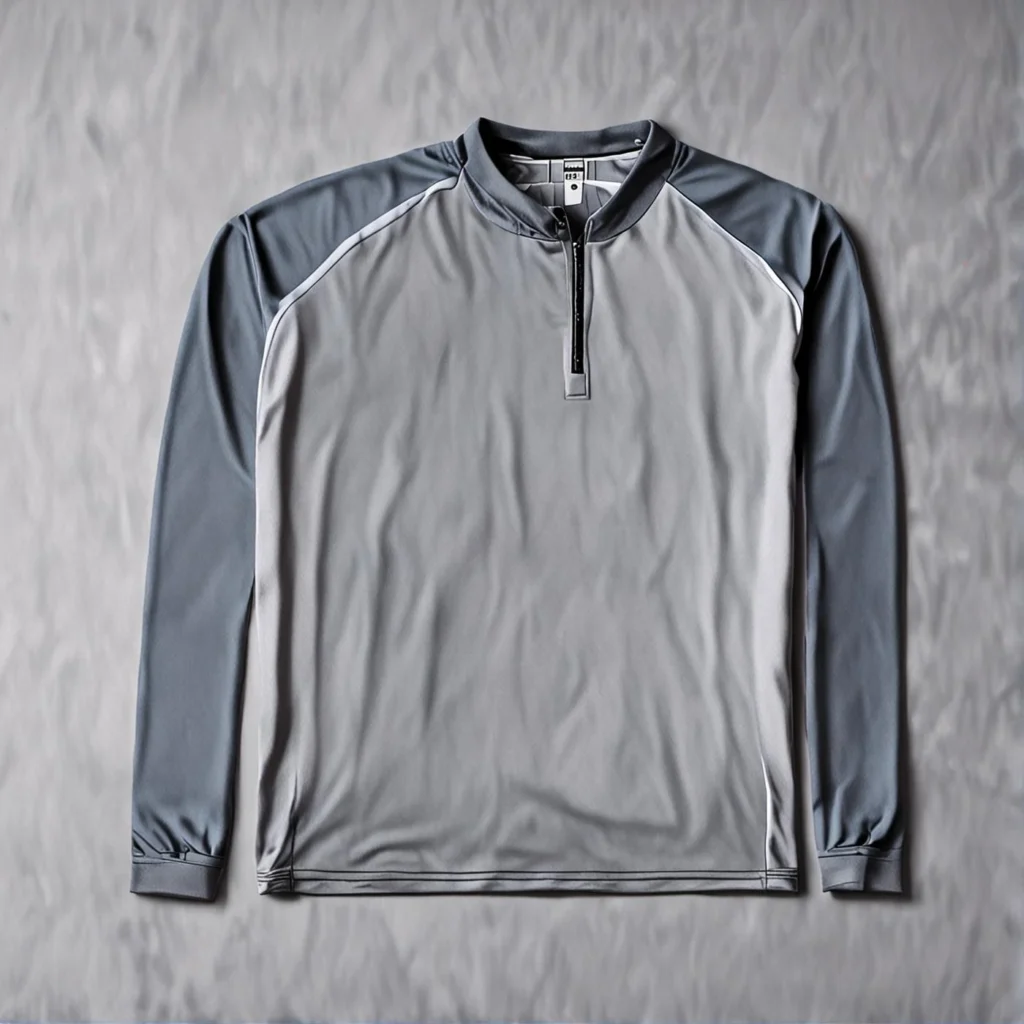
We also consider the practical needs of the coaching staff and players. Pockets on training shorts should be shallow or zippered to prevent fingers from getting caught during play. Half zip training tops should have zipper guards to prevent chin irritation. These small design choices define high quality team training wear. When you customize your football training kits, these functional elements should be prioritized alongside the visual design to ensure the gear performs as well as it looks on the pitch.
Logistics and Global Distribution for Teams
Shipping and logistics can be a challenge for teams and brands operating on a global scale. We facilitate the export of football training kits from Sialkot to retailers and teams worldwide. Proper packing is essential to prevent damage during transit. Each item is individually poly-bagged and packed into heavy duty cartons to withstand long distance shipping. For large orders of custom soccer training kits, we offer various shipping methods to balance cost and speed, depending on your deadlines.
Managing a full private label program requires clear communication regarding MOQs and lead times. Our 50 piece minimum per style for apparel and 100 pieces for headwear and gloves makes it easier for emerging brands to enter the market. Whether you are ordering football training kits for a local academy or a professional league, our structured production flow ensures that your gear arrives on time and according to your specifications. Clear labeling and organized sizing tags help distributors and retailers manage their inventory efficiently upon arrival.
Essential Components of a Complete Training Collection
A comprehensive collection of football training kits involves more than just a shirt and shorts. To support a team through an entire season, you must provide layers for varying conditions. This includes base layers for moisture management, mid weight quarter zips for warm ups, and heavy duty jackets for the sidelines. Each piece must maintain a cohesive design language. Using the same color palettes and logo placements across all items in your football training apparel line creates a professional and unified team appearance.
- Quarter-zip mid layers in 250 GSM tech fleece for cool mornings.
- Woven training pants with ankle zips for easy removal over boots.
- Lightweight bibs for tactical drills and small sided games.
- All weather jackets with water resistant coatings for outdoor sessions.
- Compression base layers to aid in muscle recovery and heat retention.
By offering a full range of football training kits, a brand can become a one stop shop for a club’s needs. This vertical integration simplifies the procurement process for team managers and ensures that all gear matches perfectly. When the football team training kits are coordinated, it boosts morale and projects a sense of discipline and unity. It is the combination of thoughtful design, durable materials, and reliable manufacturing that makes a training kit successful in the long term.
When you are ready to elevate your team or brand, focus on the details of construction and the reliability of your supply chain. High quality football training kits are the silent partners in every victory. If you need a sample to test our fabric quality or want a quote for a bulk order, our team is ready to assist with your specific requirements.
Frequently asked questions
What is the typical lead time for bulk football training kits?
Bulk production usually takes 15 to 25 working days after the initial sample is approved. This timeline includes the in-house processes of cutting, printing, stitching, and quality control. Shipping time is additional and varies by location.
What is the minimum order quantity for custom training gear?
Our minimum order quantity is 50 pieces per style for apparel items like jerseys, shorts, and tracksuits. For accessories such as gloves and headwear, the minimum is 100 pieces per style. This allows for both small clubs and large retailers to source effectively.
What fabrics are best for professional football training kits?
Professional kits typically use 100% polyester interlock or mini-waffle knits between 140 and 180 GSM for breathability. For winter training, brushed back fleece of 300 GSM is preferred for warmth. These materials provide the necessary durability for daily use.
Can I see a sample before placing a full bulk order?
Yes, we produce and approve samples before proceeding with any bulk production run. This step ensures that the fabric, fit, and decoration methods meet your brand’s specific standards and helps avoid errors in the final order.