Embroidery vs sublimation activewear is a key decision for fitness brands. Each method offers unique advantages in durability, design, and branding. This guide explains how to choose the right option.
1. Why Decoration Impacts Brand Perception
Decoration method shapes how customers see your brand.
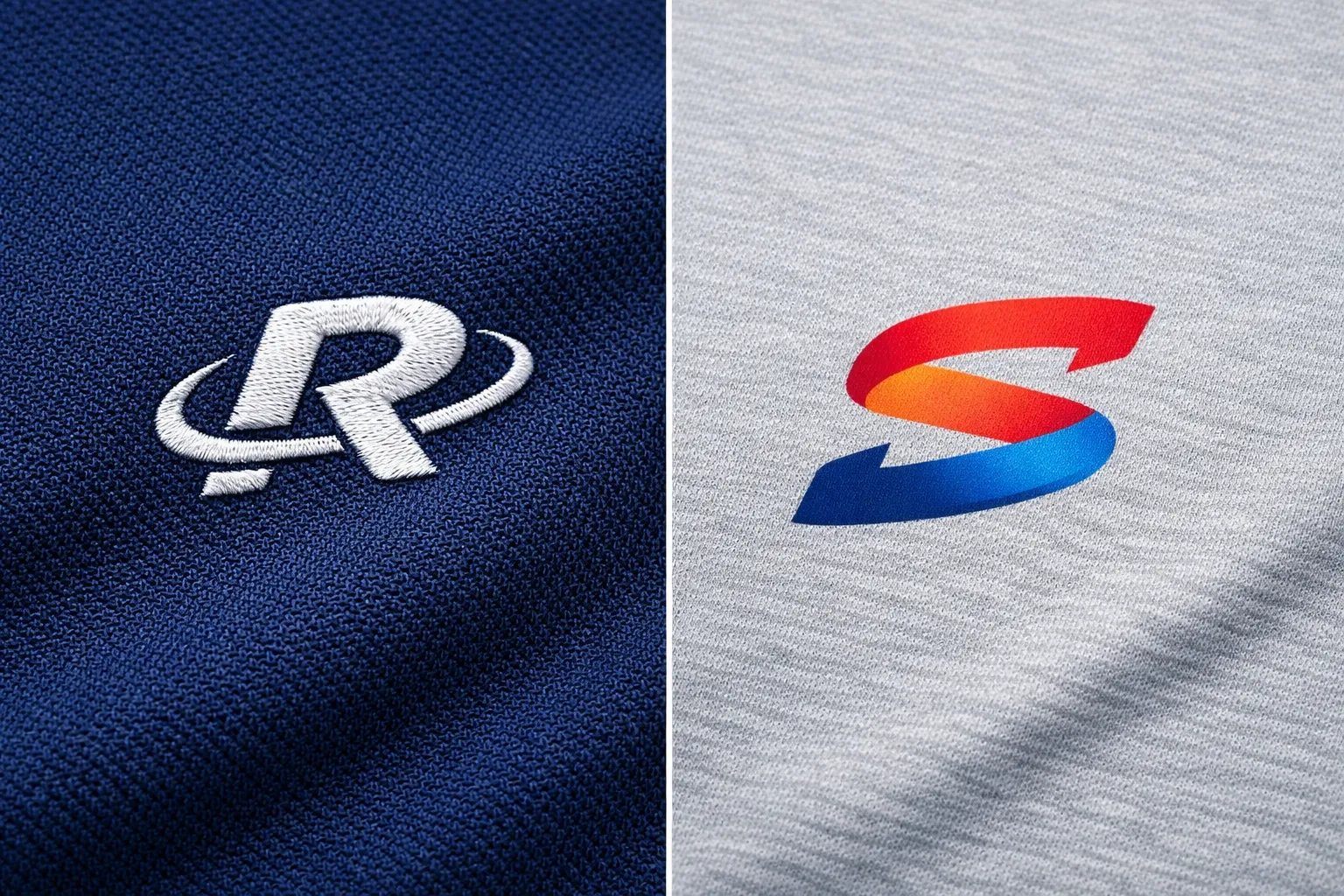
- Embroidery: Premium, classic, and durable feel.
- Sublimation: Modern, energetic, and performance-driven.
- Brand Alignment: Must match your target audience.
Choosing the right method strengthens brand identity.
2. Where Embroidery Works Best
Embroidery performs best on stable fabrics.
- Polo shirts and cotton tees.
- Fleece pullovers and hoodies.
- Corporate and team uniforms.
It delivers long-lasting and professional results.
3. Sublimation vs Embroidery Comparison
Each method has strengths and limitations.
- Embroidery: Premium look, limited design complexity.
- Sublimation: Unlimited colors, full design flexibility.
- Durability: Both are long-lasting in proper use.
The choice depends on product and purpose.
4. Matching Technique to Product
Different garments require different methods.
- Use embroidery for structured apparel.
- Use sublimation for performance fabrics.
- Combine both across product ranges.
This ensures optimal product performance.
5. Logo Placement Strategy
Logo placement affects both design and function.
- Avoid high-stretch areas for embroidery.
- Test placement during movement.
- Ensure readability under real use.
Always validate placement with samples.
6. Embroidery on Polo Shirts
Polo shirts are ideal for embroidery.
- Stable pique fabric supports stitching.
- Professional and clean appearance.
- Popular for corporate and team wear.
One of the most reliable combinations.
7. Sublimation for Tank Tops
Tank tops work best with sublimation.
- Lightweight polyester fabric compatibility.
- Full design coverage.
- No distortion issues.
Best choice for gym and performance wear.
8. Building Brand Consistency
Consistency is key to strong branding.
- Use consistent colors and logo size.
- Maintain placement standards.
- Align all products with brand identity.
A clear style guide improves results.
9. Wholesale Pricing Considerations
Understanding cost helps maximize margins.
- Embroidery priced by stitch count.
- Sublimation often included in garment cost.
- Bulk orders reduce per-unit cost.
Choose methods that balance cost and value.
10. Frequently Asked Questions (FAQs)
Which is better: embroidery or sublimation?
It depends on the garment type and brand positioning.
Is sublimation more durable than embroidery?
Both are durable, but sublimation is better for performance fabrics.
Can embroidery be used on stretch fabrics?
It is not recommended due to distortion and discomfort.
What fabrics work best for sublimation?
Polyester fabrics provide the best results.
What is the cost difference?
Embroidery depends on stitch count, while sublimation cost varies by design and quantity.
For bulk orders or custom manufacturing inquiries, contact us at
business@benjima.com