Analyze In-House Technical Capacity
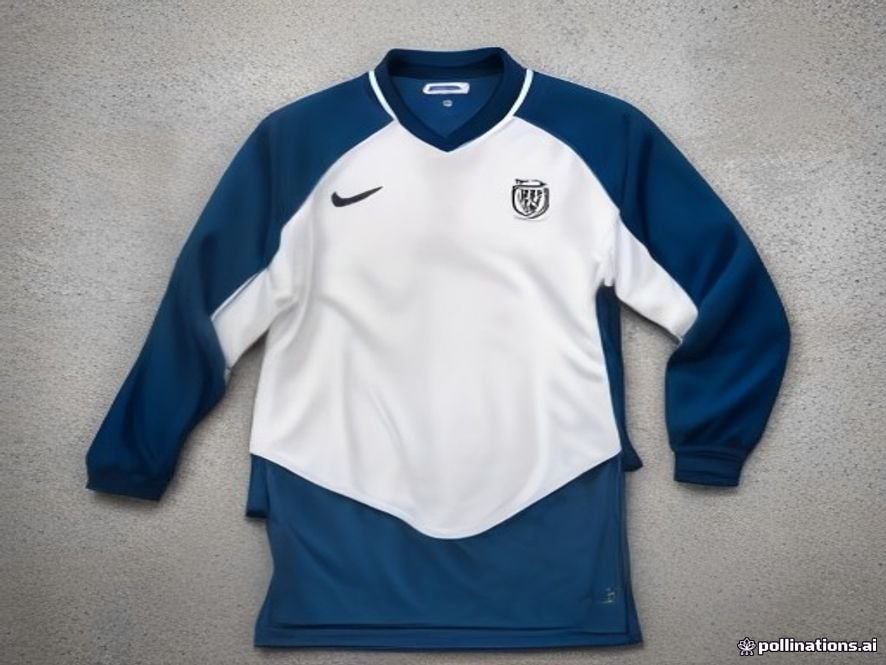
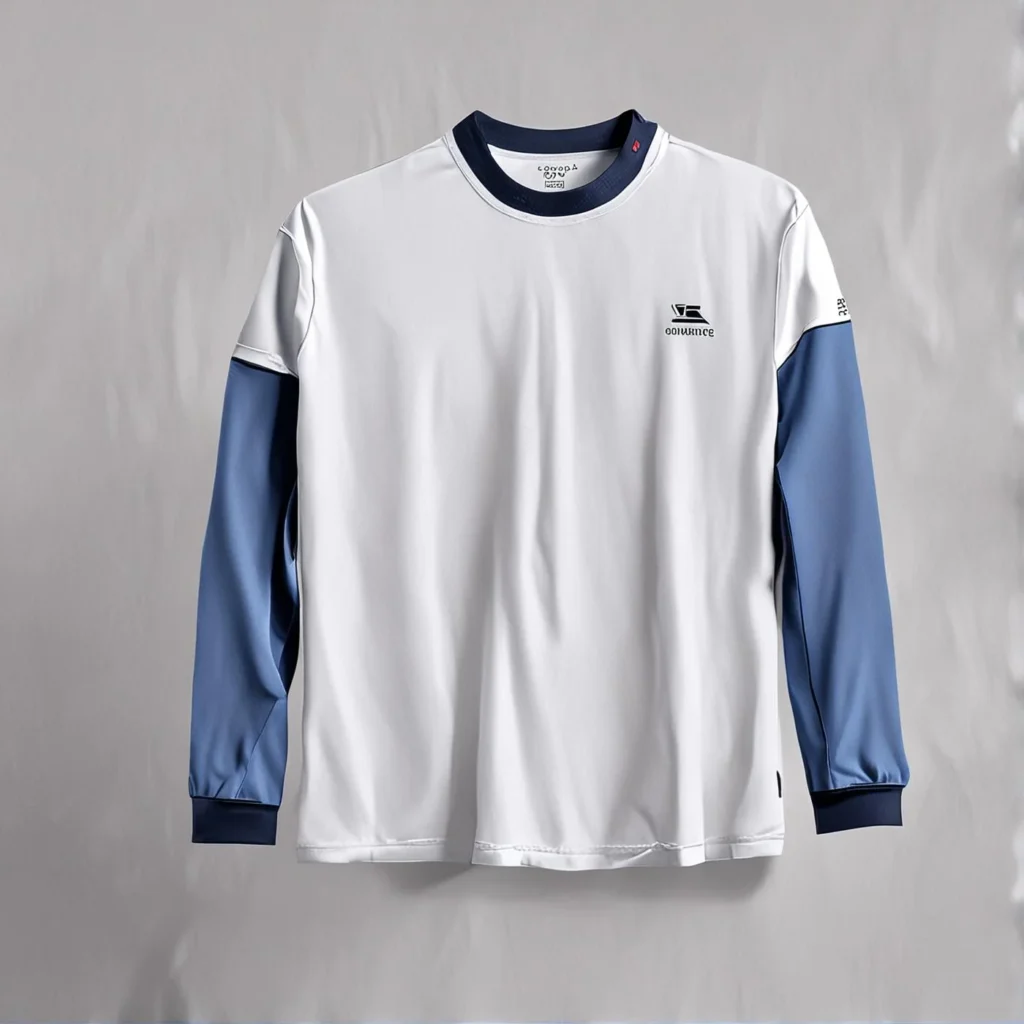
Selecting a football uniform manufacturer requires looking beyond flashy marketing websites. You need a partner that controls the production process from raw fabric to the final poly-bag. When a factory outsources printing or embroidery, they lose control over consistency and schedule. Ask your potential sportswear supplier specifically which processes happen under their own roof. You want a facility that handles everything internally, including cutting, stitching, and high-spec decoration methods like sublimation or screen printing.
Understanding Decoration Longevity
Football kits take a beating on the pitch, so the decoration method is not just an aesthetic choice. For club crests and sponsor logos, embroidery provides a premium, durable finish that resists fraying. However, for large-scale numbers and names, sublimation is often superior. Sublimation dyes the fabric fibers, meaning the design cannot crack or peel over time. If you prefer a tactile, 3D effect for team branding, modern puff print or high-density silicone applications are options, but these require strict heat-press temperature controls to prevent delamination during wash cycles.
The Critical Role of Fabric Specs
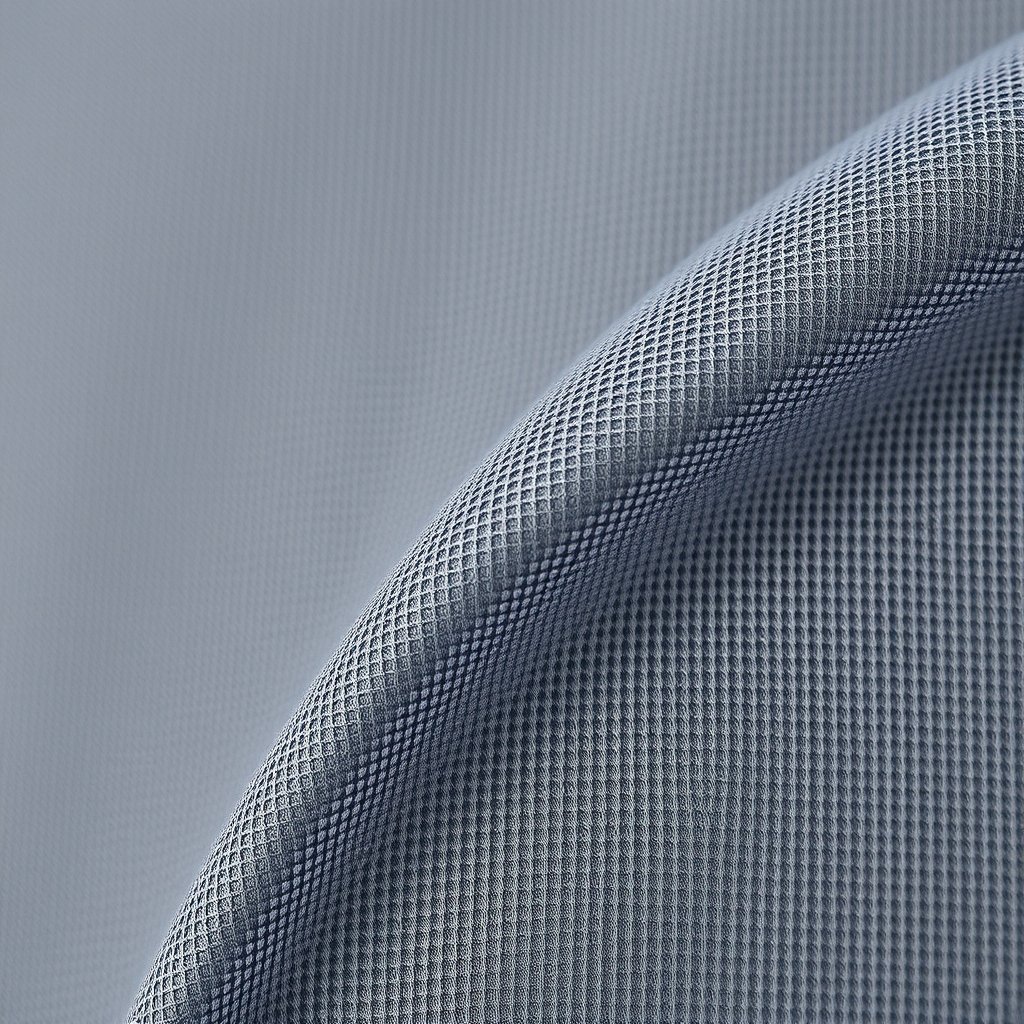
The choice of fabric defines the performance of the kit. Most professional teams demand moisture-wicking polyester blends, usually in the range of 140 to 180 GSM. Anything lighter might tear during physical contact, while heavier fabrics often retain too much sweat, becoming heavy and uncomfortable for players. Always ask for fabric composition breakdowns. If you are ordering custom uniforms, ensure the supplier provides lab-tested materials. If they can offer fabrics that meet international standards for colorfastness and shrinkage, your brand will avoid the costly nightmare of customer returns.
Navigating MOQ and Production Timelines
Scaling a brand means balancing inventory risk with production efficiency. A standard football uniform manufacturer usually sets a minimum order quantity of 50 pieces per style. While lower numbers might seem attractive, they often drive up the unit cost due to setup fees for screens or digital patterns. Regarding timing, a realistic bulk lead time sits between 15 and 25 working days after the approval of your pre-production samples. If a supplier promises much faster delivery for large orders, be cautious; they may be rushing the inspection phase.
Quality Control Protocols
Consistent output is the hallmark of a reliable partner. Demand information about their inspection process. You should look for manufacturers that utilize the AQL 2.5 standard for garment inspection. This system ensures that a statistically significant number of pieces are checked for defects, including stitch integrity, size grading accuracy, and print placement. Packing should also be part of this conversation. Individual poly-bagging with clear sizing labels saves your warehouse team hours of work when the shipment arrives at your destination.
| Criteria | Standard Requirement |
|---|---|
| MOQ | 50 pieces per style |
| GSM Range | 140-180 GSM |
| Production Lead Time | 15-25 working days |
| Inspection Method | AQL 2.5 |
Getting Started With Your Order
Finding a reliable football jersey manufacturer is about aligning your quality expectations with their technical expertise. Before committing to a full production run, always request a physical sample. Evaluating the feel of the fabric and the precision of the stitching in person is the only way to be certain. Once the samples are signed off, the bulk process should follow the exact specifications you have approved. If you are ready to move your next collection into production, reach out to our team to discuss your tech packs and specific design requirements.
Frequently asked questions
What is the typical minimum order quantity for football uniforms?
The typical minimum order quantity for custom football uniforms is 50 pieces per style. Many factories set this limit to cover the overhead costs associated with fabric sourcing, pattern making, and machine calibration. Ordering at or above this threshold helps maintain a consistent unit price for your brand.
How long does it take to produce a bulk order of uniforms?
A professional production lead time generally ranges from 15 to 25 working days after the final sample has been approved. This timeframe accounts for precise cutting, garment assembly, decoration processes like embroidery or printing, and a thorough quality control inspection before shipping.
Why is AQL 2.5 important in garment manufacturing?
AQL 2.5 is a standard quality control inspection system that minimizes the risk of receiving defective garments in your shipment. It dictates how many samples from a bulk batch must be inspected to ensure the entire lot meets acceptable quality levels for construction, sizing, and printing accuracy.
What fabric weight should I choose for a football kit?
A fabric weight between 140 and 180 GSM is ideal for football uniforms. This range offers a balance between durability against physical contact and the breathability needed to manage moisture during intense matches. Lighter fabrics can be too fragile, while heavier fabrics often become waterlogged with sweat.
Should I choose embroidery or sublimation for team logos?
Choose embroidery for club crests if you want a premium, textured look that conveys prestige and longevity. Use sublimation for player names and numbers, as this method dyes the fabric directly to prevent cracking and peeling, ensuring the garments remain professional-looking even after repeated laundering cycles.