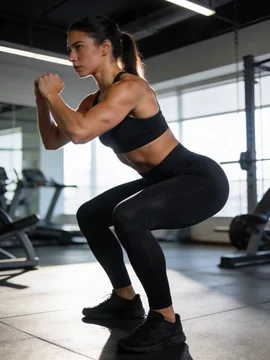
Squat-proof leggings wholesale in 2026 are a must-have standard in women’s activewear. Opacity, durability, and performance are essential for customer trust. This guide explains how to test, source, and ensure non see-through leggings in bulk production.
1. Why Squat-Proof Leggings Matter
Squat-proof leggings have become a basic requirement in modern activewear. Customers expect complete opacity during workouts, especially in movements like squats, lunges, and stretches.
For wholesale buyers, sourcing squat proof leggings wholesale products is no longer optional — it is essential for brand credibility and customer satisfaction.
2. The See-Through Problem Explained
Leggings often fail due to multiple factors:
- Low fabric weight
- Poor knit density
- Weak dye penetration
- Excessive stretch under tension
Many leggings appear opaque when flat but become transparent when stretched. This difference between static and dynamic opacity is the main issue buyers must address.
3. How to Test Opacity Before Bulk Orders
Testing should always be done on finished garments, not fabric swatches. Key checks include:
- Stretch testing on curved surfaces
- Evaluation under bright gym lighting
- Testing in real movement positions
Reliable testing ensures your bulk production meets real-world performance expectations.
4. Professional Squat-Proof Testing Methods
A complete testing protocol includes:
- Phone Torch Test: Detects light transmission
- Squat Test: Real-world movement check
- Dynamic Movement Test: Lunges, yoga, and stretching
- Moisture Test: Evaluates opacity when wet
These methods help identify weak points before mass production.
5. Fabric Weight & Composition
Fabric quality is critical for opacity:
- GSM Range: 200–280 GSM for best performance
- Nylon-Spandex: Better opacity and durability
- Polyester-Spandex: Cost-effective alternative
- Spandex Ratio: Ideally 15–20% for balance
Matte fabrics perform better than shiny ones in preventing transparency.
6. Quality Control for Bulk Orders
Before shipment, perform these checks:
- Opacity testing on random samples
- Waistband durability inspection
- Seam strength verification
- Color consistency across sizes
- Measurement accuracy
- Packaging and labeling checks
Strong quality control prevents costly returns and protects brand reputation.
7. Frequently Asked Questions (FAQs)
What makes leggings squat-proof?
High fabric density, proper composition, and quality construction ensure opacity under stretch.
What GSM is best for squat-proof leggings?
A range of 200–280 GSM is ideal for reliable opacity.
Is nylon better than polyester for opacity?
Yes, nylon generally provides better opacity at similar weights.
How do I test leggings for transparency?
Use stretch tests, lighting checks, and real movement evaluations.
Can low-cost leggings be squat-proof?
It is possible, but higher-quality materials and construction improve reliability.
For bulk orders, custom manufacturing, or wholesale inquiries, contact us at
business@benjima.com.