Skip to content
Programme 02 / Education

School uniforms that survive a full year, then a younger sibling.

Blazers, pinafores, shirts, house tees and PE kit in poly viscose and easy care cotton blends. Patterned for the climate the children actually sit in, and graded so a size 26 chest means the same thing in year one and year three.

Education programme / 3 year contract
Minimum order
50 pcs per style
Sampling
7 to 10 days
Bulk run
21 to 30 days
Return rate
0.4% average
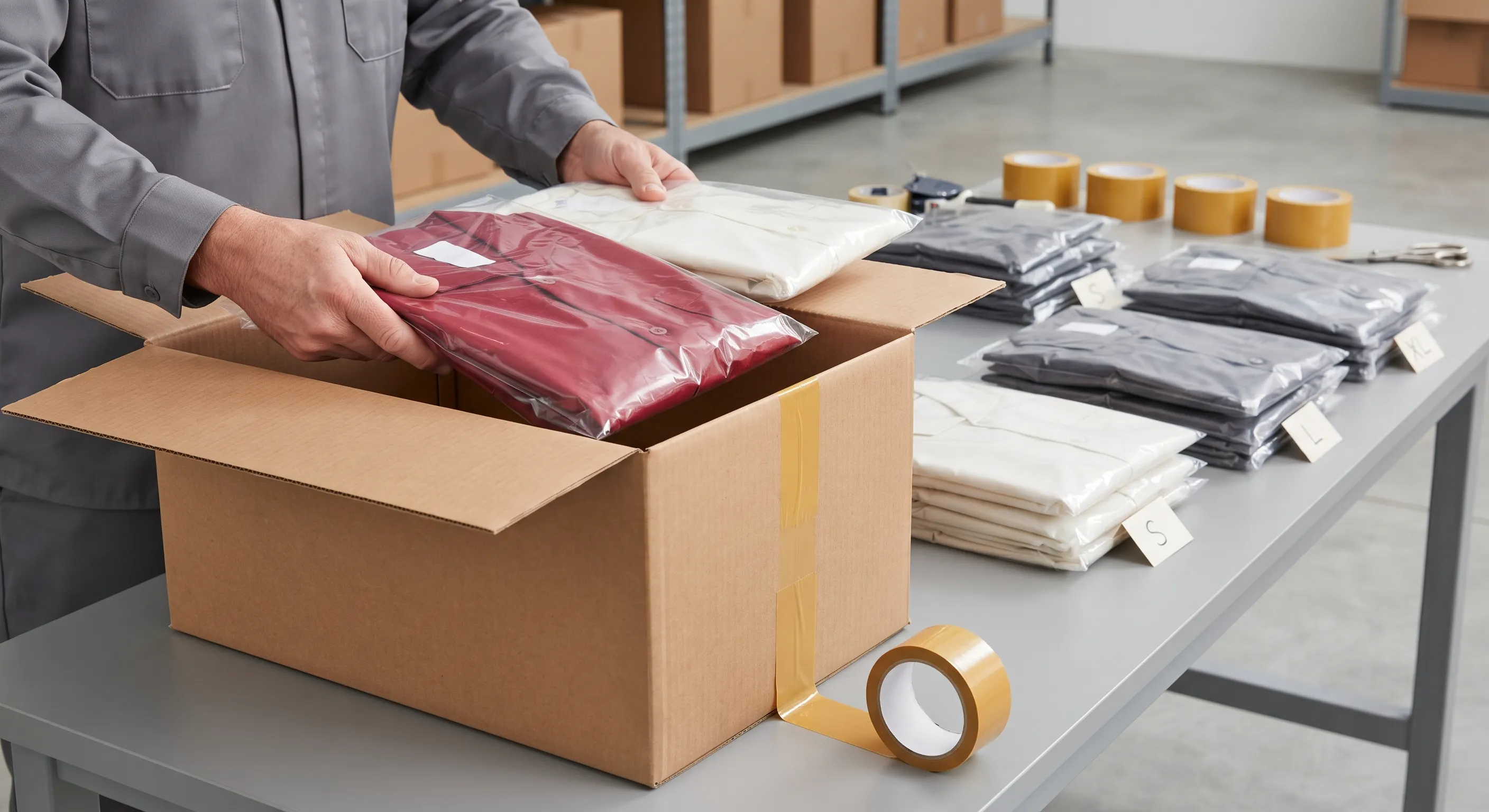
School uniform shirts sorted by size before dispatch
7,200 Pieces in a recent single school intake

A school uniform is judged by parents, not by procurement.

A corporate buyer judges a uniform against a spec sheet. A parent judges it against a washing machine. If the collar curls after six weeks, if the knee goes at half term, if the navy fades to grey while the neighbour school stays navy, the school office hears about it long before the supplier does.

So school work is built around three unglamorous things: shrinkage, colour fastness and seam strength. Every cloth is washed and measured before cutting, not after complaints. Blazer cloth is chosen for shape retention across a full academic year. Shirting is finished for easy care so it comes out of a family wash without a press. PE kit is built for a floor, a field and a bag it gets stuffed into wet.

The second thing schools need is supply that does not stop in September. Intakes arrive mid term, children grow through two sizes in a year, and a lost blazer is a phone call the same week. Contract schools get a held size buffer so a replacement leaves in seventy two hours rather than joining the next production slot.

  • Cloth washed and measured for shrinkage before the bulk is cut
  • House and year group colours matched to one physical shade standard
  • Growth allowance built into hems, cuffs and waistbands where the block permits
  • Size buffer held for mid term intakes and replacements
  • Reinforced knees, seats and elbows on the garments that actually fail first
The range 8 styles

Everything on the school uniform list, made to one standard.

Most schools order the formal wardrobe and the PE kit from two different places and then wonder why the badge does not match. Running both through one programme fixes the badge, the shade and the size chart at the same time.

01

School blazers

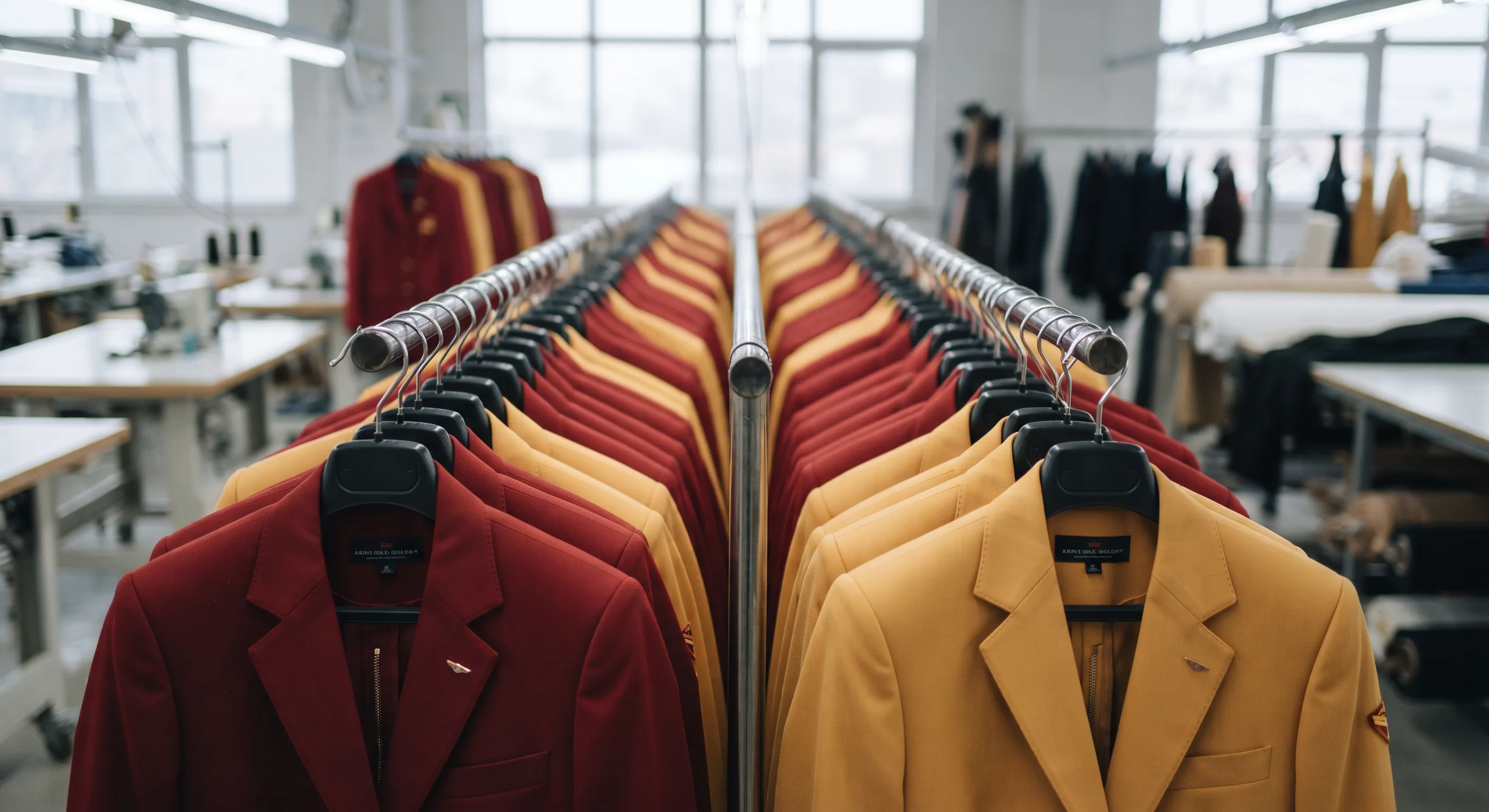
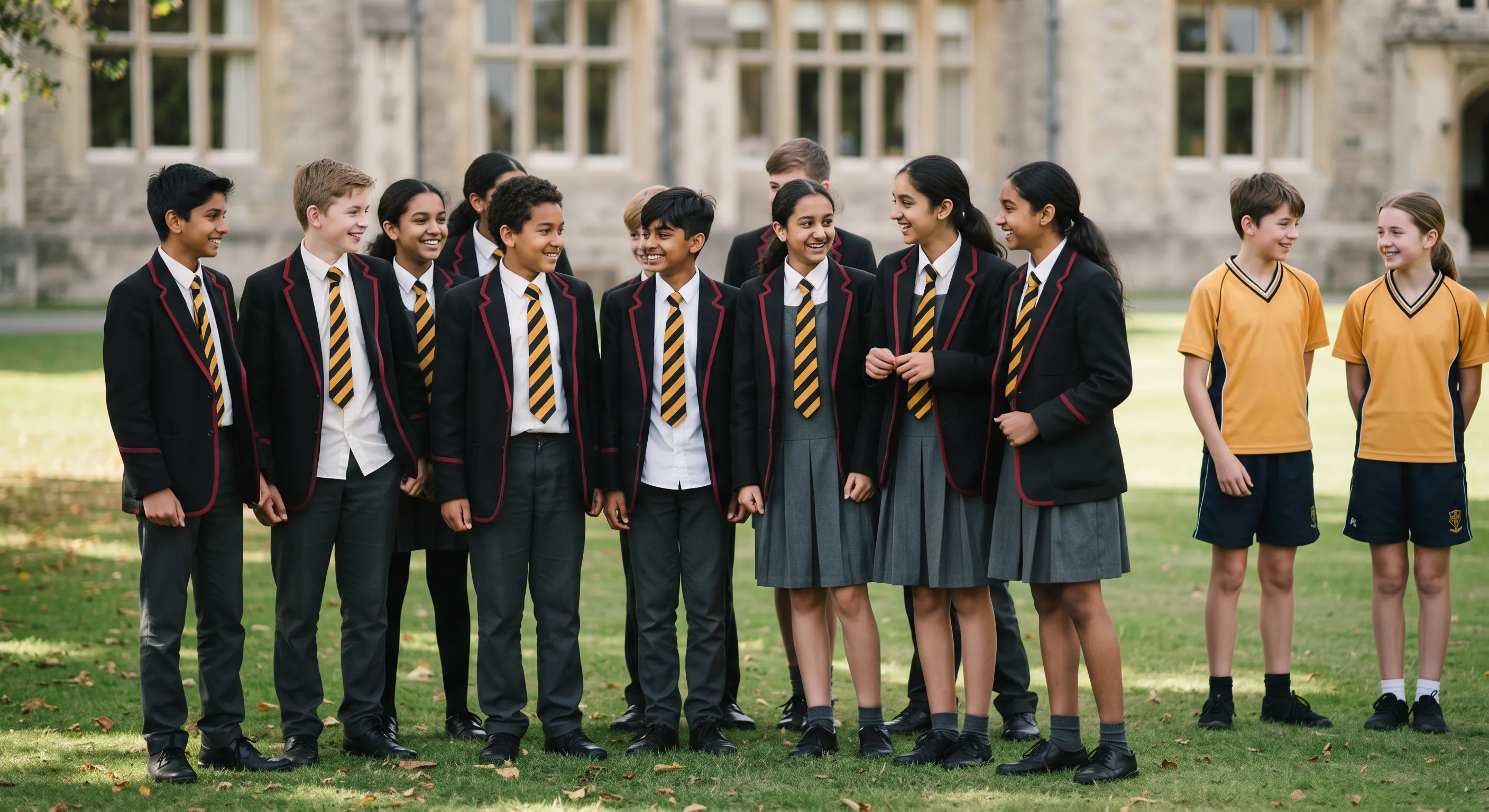
Poly viscose suiting with a fusible interlining that will not bubble, piped edges or contrast trims for house identity, and a badge position measured rather than eyeballed.

240 GSM Half lined House piping Woven or embroidered badge
02

Pinafores and tunics

A line pinafores and box pleat tunics with a deep hem allowance so the garment can be let down once as the child grows, rather than replaced at half term.

Deep hem Box or knife pleat Side zip Bar tacked straps
03

Shirts and blouses

Easy care cotton rich shirting with a fused collar built to stay flat through a family wash. Short sleeve for hot terms, long sleeve on the same shade standard for winter.

120 GSM Easy care Twin pack packing Reinforced placket
04

Trousers, skirts and shorts

Adjustable waistbands, reinforced seats and a knee that does not go first. Skirts with a stitched down pleat so the shape survives a term of sitting on the floor.

Elastic adjusters Reinforced seat Stitched pleats Growth hem
05

Knitwear and cardigans

V neck pullovers, cardigans and sleeveless slipovers in house or year colours, with elbow reinforcement on the sizes that historically come back first.

Fine gauge Anti pill House colours Elbow reinforcement
06

House tees and polos

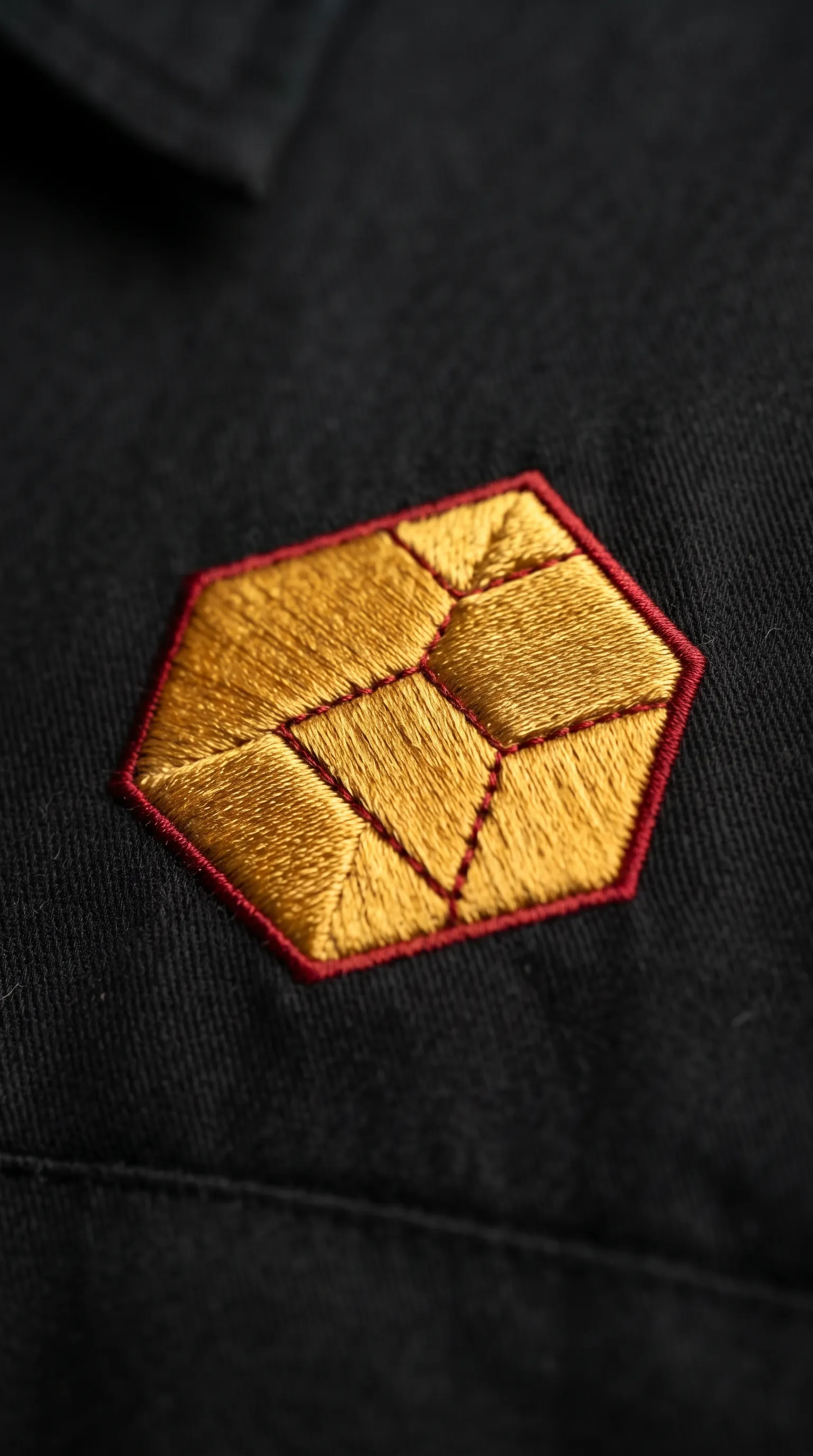
Cotton and poly cotton tees and pique polos in house colours for sports day, activity weeks and junior years. Printed or embroidered to the same badge artwork as the blazer.

Poly cotton House colour set Screen print Taped neck
07

PE kit and sportswear

Moisture managing tees, shorts, skorts, hoodies and tracksuits. Sublimated where the school wants a full pattern, printed where the budget wants a simple mark.

Performance knit Sublimated option Drawcord waist Name label panel
08

Bags, ties and accessories

Ties, clip on ties for junior years, PE bags, book bags, caps and sun hats. Small items, but the ones parents replace most often and remember buying twice.

Clip on option House stripes PE drawstring bags Name panel
Explore Sub categories
Materials Base cloths

Cloths that hold up to a school year and a family wash.

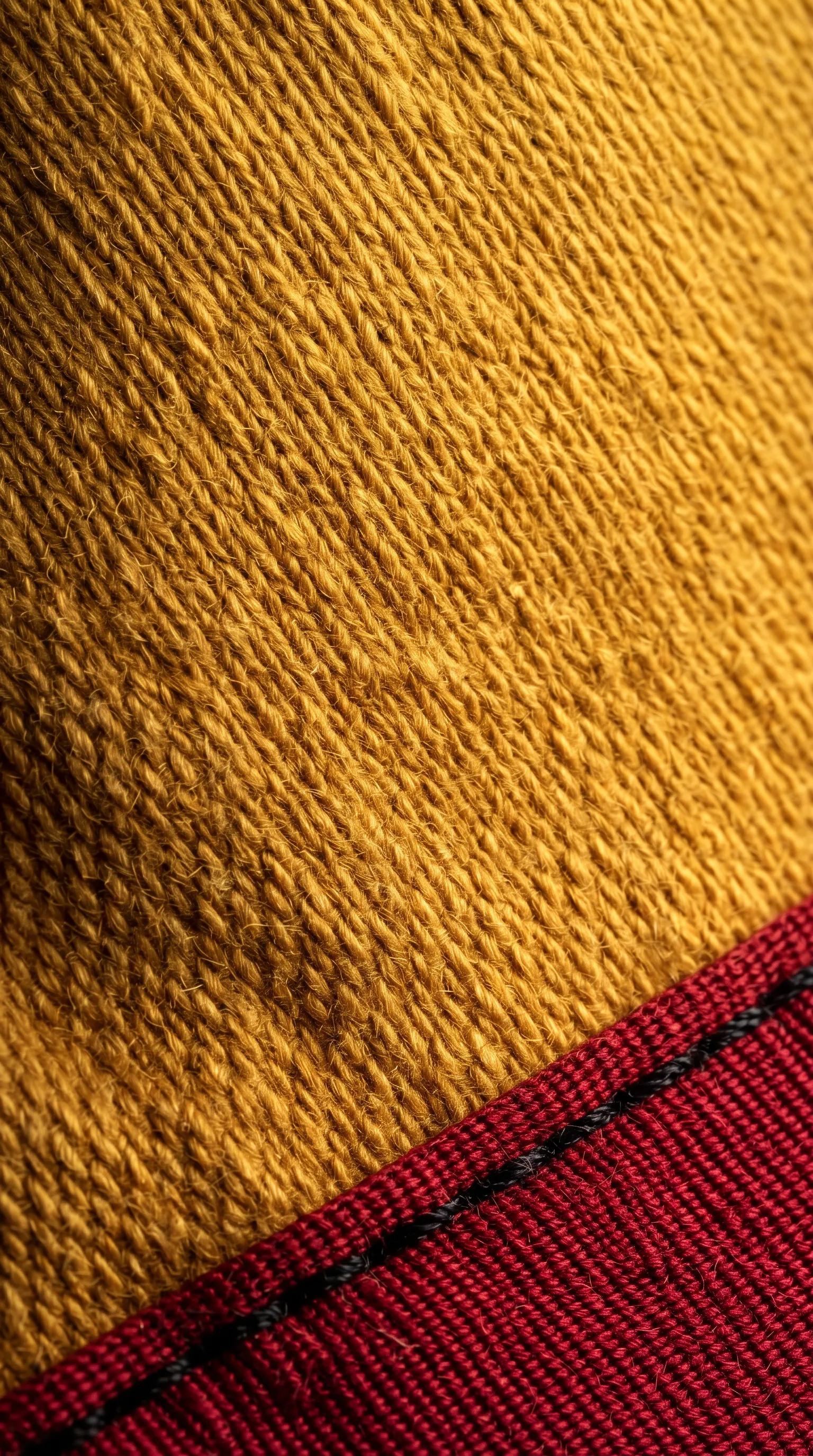
School cloth is chosen for shrinkage and colour fastness first and hand feel second, because the complaint that reaches the school office is almost never about softness.

Cloth Weight Construction Where it is used
Poly viscose suiting 240 GSM Plain weave, 65/35 Blazers, pinafores, trousers
Easy care shirting 120 GSM Poplin, resin finish Shirts and blouses
Poly cotton jersey 180 GSM Single jersey House tees
Pique knit 200 GSM Honeycomb face School polos
Cotton drill 260 GSM 3/1 twill Shorts and hard wear trousers
Performance interlock 160 GSM Four way stretch PE kit and sublimated sportswear
Brushed fleece 280 GSM Anti pill back Hoodies and tracksuit tops

House and year colours are lab dipped once and kept as a physical standard, so the year three cohort does not end up in a slightly different green to year one. That single detail is what makes a three year contract renewable.

Watch 02:10

From cloth to a carton marked for your school office.

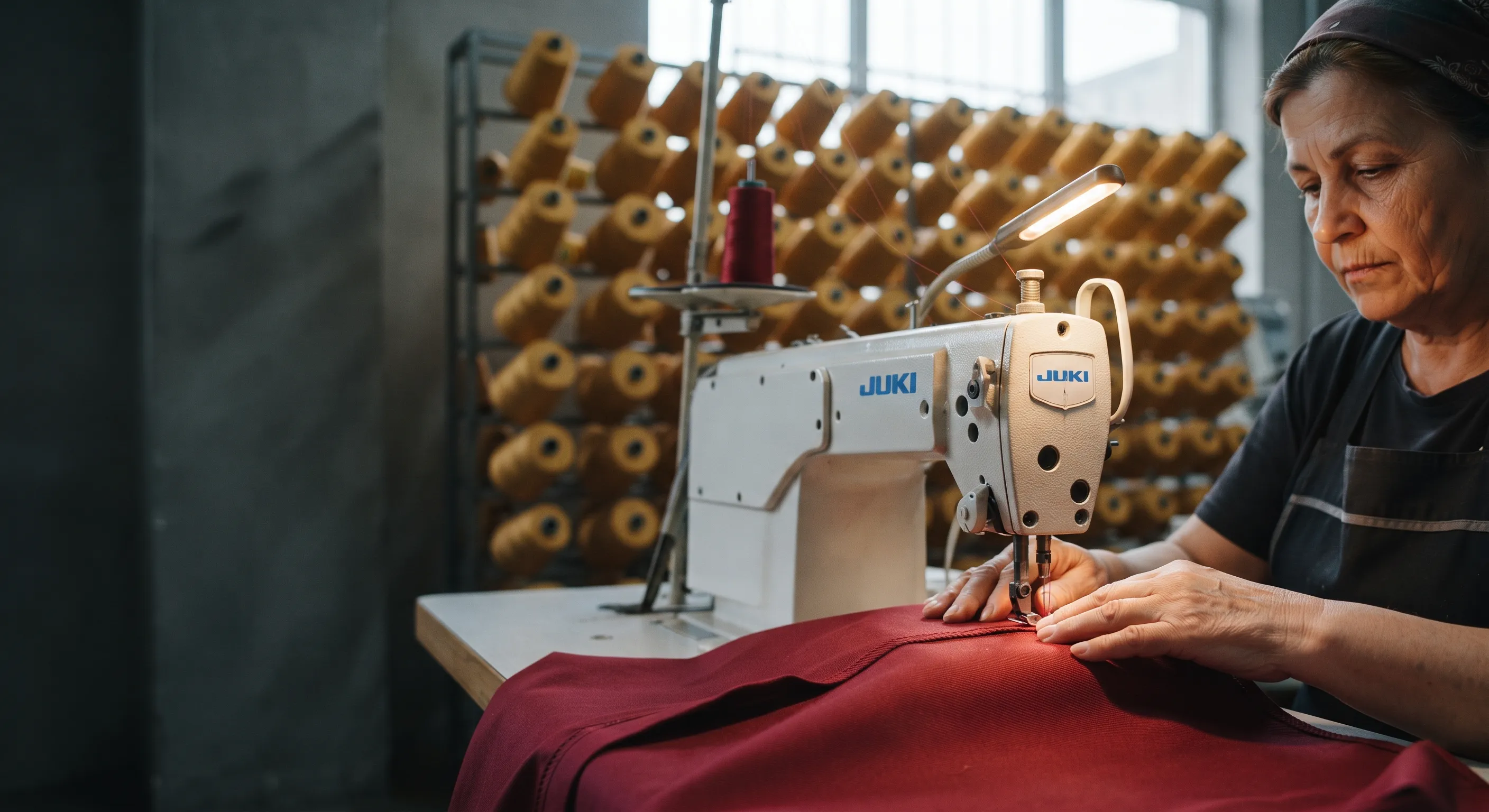
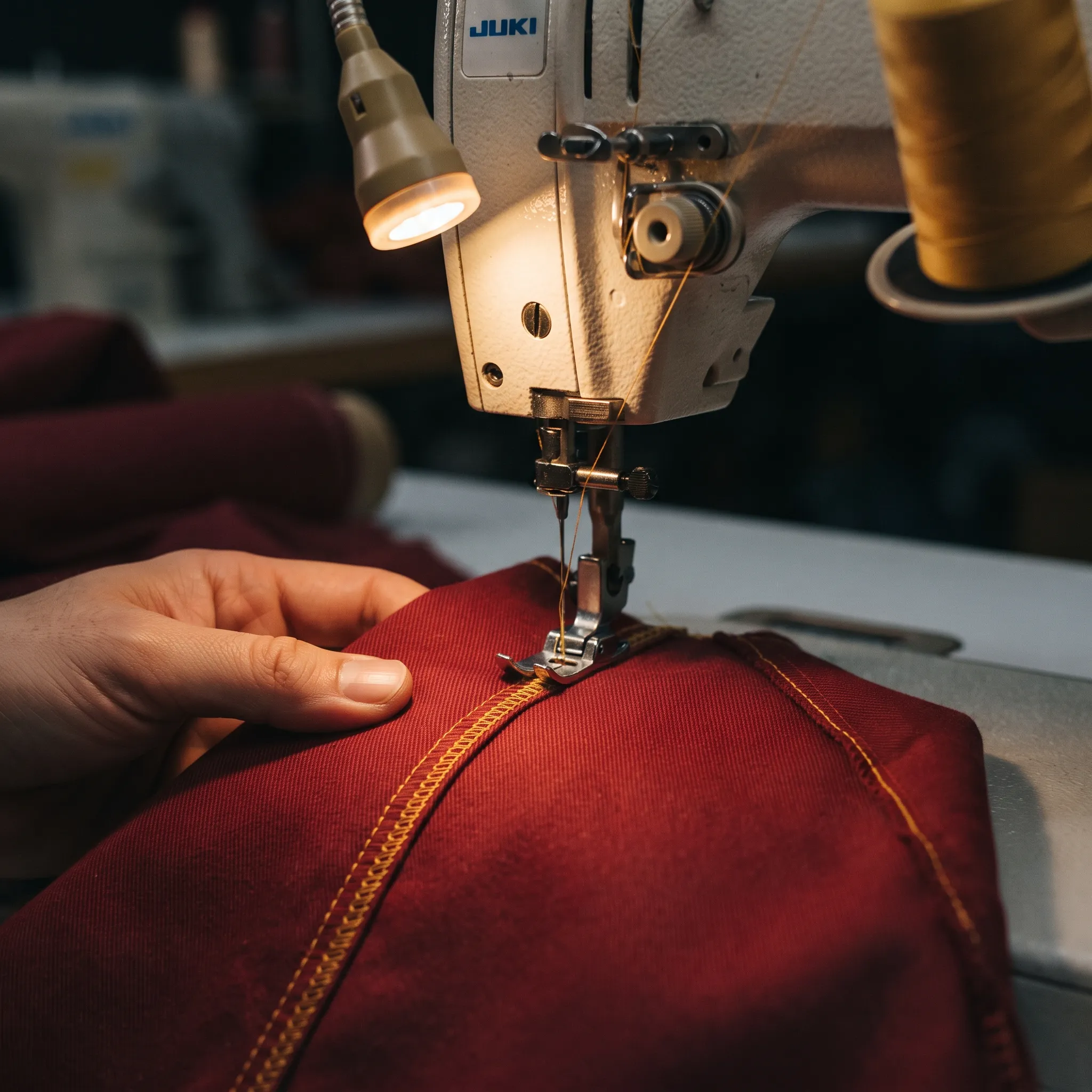
Cutting, stitching, badge application and packing on a live uniform run. If your governors want to see how the garments are made before signing a multi year contract, send them this rather than a brochure.

School uniform run / cutting to carton
7,200Pieces in one intake
0.4%Return rate
72hrMid term top up dispatch
Production 8 stages

How a school intake is planned backwards from the first day of term.

Schools do not have a flexible delivery date. The run is scheduled from your term start, and every stage is dated against that fixed point rather than against a production convenience.

Uniform list and sizing audit

You send the current list and, where possible, last year size split. That split tells us the size curve to cut against, which is the single biggest cause of leftover stock.

Badge and house colour artwork

Crest artwork is cleaned up and digitised for embroidery or separated for print. House colours are lab dipped on each cloth in the programme.

Pattern and grading

Blocks graded across the full age range, with growth allowance in hems, cuffs and waistbands wherever the garment shape permits it.

Wash and shrinkage test

Cloth is washed and measured before cutting. If it moves more than the tolerance, the pattern is compensated before bulk, not after the first parent complaint.

Sample set for the school

A full sample set in the approved cloths, usually shown to the uniform committee and a few parents. Bulk is cut after written sign off.

Bulk production

Cut in lay and assembled by operation, with bar tacks at pocket corners, belt loops and strap joins. Badges applied to a measured placement.

Inspection and size sorting

AQL 2.5 with measurement checks, then sorted into the size ratio your school office asked for rather than a factory standard ratio.

Delivery and buffer stock

Delivered ahead of term, with an agreed buffer held against your account for mid term intakes, replacements and the children who grow faster than the chart.

Why Benjima Buyer checks

Six reasons schools renew instead of retendering.

A uniform contract is usually re opened because something small went wrong repeatedly. These are the six small things.

The colour holds for three years

House and school colours are matched to a physical standard held on file, so a year three blazer sits next to a year one blazer without the difference showing in the school photograph.

Sizes stay honest

Graded patterns are locked to your style number and measured at inspection. A size 30 chest measures the same next September, which keeps the uniform shop from becoming a returns desk.

Growth is designed in

Deep hems, adjustable waistbands and turn back cuffs where the garment allows it. Parents get one more term out of the same blazer, and that is the detail they remember at renewal.

Mid term supply works

A held buffer means a replacement blazer ships in seventy two hours. New intakes in January do not wait for a full production run to be scheduled.

One supplier for formal and PE

Badge artwork, house colours and the size chart are shared across the formal wardrobe and the PE kit, so the two halves of the uniform actually look related.

Faults are replaced quickly

Stitching and fabric faults inside twelve months are replaced. The school office sends a photo, not a formal claim, and the replacement travels with the next dispatch.

Case notes Recent runs

Three school programmes and the problem each one arrived with.

Every school that changes supplier is solving something specific. It is usually not price.

Independent school / 3 year contract

St. Andrews College

Blazers, house kit and PE wear re patterned for a hotter climate in a lighter blend that still held its shape through the academic year. Seven thousand blazers produced one size complaint.

7,200Pieces
0.4%Return rate
Primary group / 4 campuses

Civic Primary Trust

Four campuses running four different greens under the previous supplier. One lab dip, one standard, and a single size chart shared across all four uniform shops.

4Campuses
1Shade standard
International school / mid term supply

Harbour International

A rolling intake that never matched the academic calendar. Solved with a held buffer across the four fastest moving sizes and a seventy two hour dispatch commitment.

72hrTop up dispatch
2,900Pieces per year
Before you ask 8 answers

What bursars and uniform committees ask first.

What is the minimum order for a school uniform programme?
Fifty pieces per style. Most schools comfortably clear that on shirts, polos and PE kit, and blazers usually follow once the size split is spread across the year groups. If you are a small school, styles can be combined across house colours to reach a workable production quantity without paying a short run premium on every line.
Can you match our existing school colours and crest?
Yes. Send a physical garment and a copy of the crest in any format you have, even a photograph of a blazer pocket. The crest is redrawn and digitised for embroidery or separated for print, and your colours are lab dipped on each cloth in the programme so blazer, knitwear and PE kit all read as the same green or the same navy.
How do you deal with children growing mid year?
Two ways. Growth allowance is designed into the garment where the block permits it, so hems can be let down and waistbands adjusted. Beyond that, contract schools get an agreed size buffer held against their account, so a larger replacement ships within seventy two hours instead of waiting for a production slot.
Will the uniform survive a normal family wash?
That is what the pre production wash test is for. Cloth is washed and measured for shrinkage before the pattern is finalised, and finished for colour fastness so the shade holds. Shirting is given an easy care finish so it comes out wearable without pressing, which is the single thing parents mention most.
Can you supply both the formal uniform and the PE kit?
Yes, and running both through one programme is the point. The crest artwork, the house colour standard and the size chart are shared, so the PE kit does not arrive in a different shade of the school colour or with a slightly different badge. It also means one delivery schedule instead of two.
How far ahead do we need to order for September?
Work back from term start. Sampling is seven to ten days, bulk is twenty one to thirty days, and shipping depends on whether you take air or sea. For a September intake with sea freight, starting in April is comfortable and starting in June is tight but workable. We will give you the real date, not the hopeful one.
Do you supply directly to parents or only to the school?
We manufacture and supply to the school or to your appointed uniform shop. Garments are poly bagged individually and sorted into the size ratio you specify, so they can go straight onto a shop rail or into a distribution list without being repacked.
What happens if a garment fails during the school year?
Send a photograph and the carton number. Stitching and fabric faults inside twelve months are replaced, and the replacement travels with your next scheduled dispatch or the next buffer release, whichever is sooner. Normal wear and tear from a child who climbs a fence is, reasonably, not covered.

Send the uniform list and your term start.

With last year size split as well if you have it, the costing comes back sharper. If you are replacing an existing supplier, send one of each current garment and we will pattern to match rather than asking parents to rebuy a different fit.

Sales line
+92 329 6140058
Minimum order
50 pieces per style
Reply time
One working day